
President Trump used lawful waiver powers to pause looming 100% tariffs tied to Russian oil buyers, aiming to protect Americans from higher fuel costs while keeping pressure tools ready if markets tighten again.
Story Highlights
- Trump certified a national-interest waiver under the Graham sanctions law to avert steep tariffs.
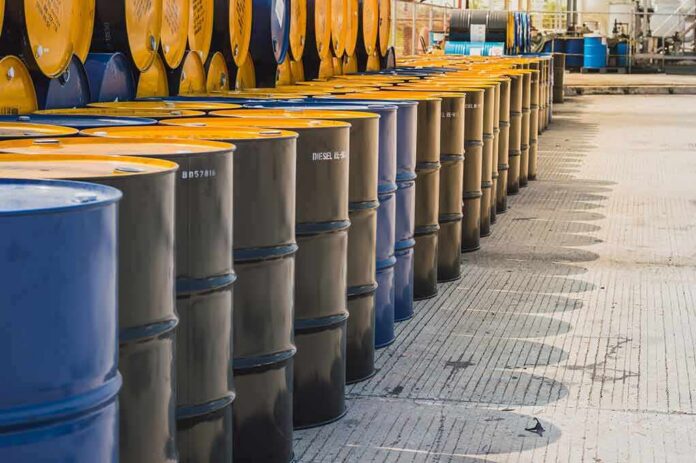
- The White House linked the move to easing energy and diesel prices for U.S. consumers.
- The pause removed an immediate tariff threat on major Russian-energy buyers like India and China.
- Critics in Congress warned the relief could weaken economic pressure on Moscow.
What Trump Waived And Why It Matters For Your Wallet
The Lindsey O. Graham Sanctioning Russia and Iran Act of 2026 allowed tariffs up to 100 percent on imports tied to nations that buy Russian oil and gas. On October 16, President Trump issued an executive order waiving those tariffs after certifying the step serves U.S. national interests. The administration linked the waiver to a clear goal: keep energy and diesel prices in check for American families and small businesses that run on fuel every day.
The waiver landed before the tariffs took effect. That timing prevented a shock that could have rippled through supply chains. India and China are among the largest buyers of Russian crude. Hitting their exports to the United States with sudden duties risked ripple price hikes. By pausing the tariffs, the White House preserved existing global flows while keeping authority to reimpose pressure if markets allow.
The Legal Ground And The Built-In Flexibility
The law itself granted waiver authority once the president certified it was in the national interest. Trump made that certification to Congress and directed agencies to monitor buyers of Russian energy and sanction evasion. The executive order said officials can act again if conditions change. That design keeps the sanctions framework alive, but avoids an abrupt tariff spike that could hit fuel, freight, and grocery bills back home.
Supporters frame the move as practical energy stewardship. They argue hitting large buyers of Russian oil with sudden tariffs can pull barrels off the market. That squeeze can lift diesel and gasoline prices here, hurting farmers, truckers, and working families. The White House’s objective was simple: protect consumers first while holding leverage in reserve to re-tighten sanctions when supply is steadier and risks are lower.
What Critics In Congress Are Saying
A bipartisan group of senators called the diesel-related relief a betrayal of Ukraine and said the law requires applying economic pressure on Russia and its chief enablers, including China. Their case is moral and strategic: more Russian oil revenue could help Moscow sustain the war. They urged the administration to restore tough measures and align with prior bans and allied pressure campaigns aimed at constraining the Kremlin’s war chest.
Those critics also flagged a messaging risk. They warn that pausing tariffs appears to help India and China first, not U.S. consumers. The White House has not released a detailed model showing how much the waiver will lower American prices. Because the pause arrived before duties took effect, there is no before-and-after data yet. That leaves room for debate over price impact, transmission to U.S. markets, and the balance between energy costs and battlefield pressure.
Energy Reality Check: Prices, Supply, And Conservative Priorities
Energy policy works when it protects American families, farmers, and small shops from price spikes. Sanctions that choke supply can backfire if they raise costs at the pump and in the grocery aisle. The administration kept supply steady while keeping sanctions tools ready. That approach fits core conservative aims: defend the national interest, put Americans’ cost of living first, and use targeted leverage rather than broad, economy-hurting mandates.
Next steps should include clear metrics and public reporting. Agencies can track trade flows, refinery inputs, and diesel prices, then brief Congress and the public on results. If supply is ample and prices ease, the waiver did its job. If markets tighten or evasion grows, the law still allows swift re-tightening. That accountability balances strength with common sense: keep America working, keep options open, and never handcuff our leverage against adversaries.