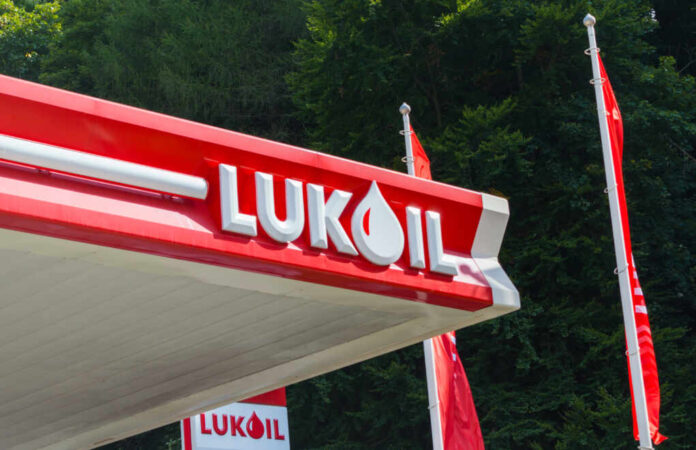
On October 23, 2025, the United States announced new sanctions targeting Russia’s two largest oil companies, Rosneft and Lukoil. This action marks the first direct sanctions against Moscow’s energy sector since the 2022 invasion of Ukraine.
Story Highlights
The US sanctioned Rosneft and Lukoil for the first time since the Ukraine invasion.
President Trump postponed a planned meeting with Russian President Putin.
Russia stated the sanctions would have no impact, while Ukraine welcomed the move.
The policy represents a shift from indirect measures to direct targeting of energy revenue.
President Trump announced the sanctions against Rosneft and Lukoil, departing from previous energy policies that aimed to protect global markets. The Treasury Department stated that these measures are intended to target Russia’s economic foundation, which funds military operations. Trump indicated that the sanctions are designed to facilitate peace negotiations, expressing a hope that they would be temporary once peace is achieved.
https://twitter.com/i/trending/1981080819390157305
This escalation follows Trump’s decision to postpone a meeting with Vladimir Putin, signaling US concerns regarding Russia’s actions. The timing coincides with ongoing Russian military activities in Ukraine and requests from Kyiv for increased Western support. Previous administrations had avoided direct oil sanctions due to potential global energy market disruptions and price increases.
Since Russia’s 2014 annexation of Crimea, US sanctions primarily focused on banks, oligarchs, and technology, while largely exempting major oil companies. This restraint continued after the 2022 invasion, partly due to Europe’s reliance on Russian energy. The current shift reflects a different approach, moving away from incremental pressure.
Russia’s energy sector is a significant source of state revenue, which supports military operations in Ukraine and domestic subsidies. By targeting Rosneft and Lukoil, the sanctions aim to affect Russia’s capacity to sustain prolonged conflict. This action aligns with European Union discussions regarding the use of frozen Russian assets for Ukrainian reconstruction efforts.
The Kremlin responded by stating that Russia has developed “immunity” to such measures through years of adapting and establishing alternative export agreements with countries like China and India. However, analysts suggest that direct sanctions on major oil companies could create new compliance challenges for international partners and potentially reduce state revenues over time. Previous Russian efforts to circumvent sanctions often involved maintaining access to Western financial systems through energy transactions.
Ukrainian officials expressed approval of the US action, with diplomatic sources indicating it was a necessary step for achieving peace. Global oil markets may experience volatility as stakeholders assess the enforcement of these sanctions and potential secondary sanction risks. The energy industry is now faced with new compliance considerations that could lead to a reduction in reliance on Russian oil.
Watch the report:
US sanctions Russian oil companies after failed Putin talks | BBC News
Sources:
Trump says Putin talks ‘don’t go anywhere’ as he imposes new sanctions
Trump says he canceled Putin summit due to stalled negotiations | Reuters