Putin’s threat to seize European ships again puts sanctions enforcement and maritime power on a collision course.
Quick Take
- Putin said Russia would respond “in kind” if Europe seizes more Russian-linked ships.
- He tied the warning to European plans to sell cargo taken from Russian “shadow fleet” vessels.
- Reuters said European governments are using ship seizures to enforce sanctions on Russia’s oil exports.
- The dispute centers on whether these actions are lawful sanctions enforcement or unlawful seizure.
Putin Raises the Stakes Over Shadow Fleet Seizures
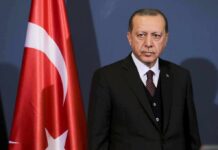
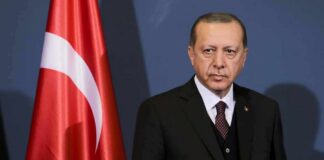
Russian President Vladimir Putin threatened to seize European ships after warning that Europe’s actions against Russian-linked tankers amount to “piracy and banditry.” He said Russia would respond “in kind” and act “wherever we ourselves deem necessary and appropriate — anywhere.” Reuters reported that the warning came as European governments moved to sell cargo seized from Russian “shadow fleet” vessels and tighten pressure on Moscow’s oil revenue.
The issue is bigger than one tanker. European officials have framed the boardings as sanctions enforcement against ships helping Russia move oil around restrictions, while Moscow frames the same actions as theft. Reuters reported that France’s navy seized another tanker linked to Russia’s “shadow fleet,” saying the action was part of an effort to enforce sanctions and squeeze one of Moscow’s main revenue streams. That detail matters because the legal label changes the political meaning.
Why Moscow Calls the Moves Piracy
Putin and other Kremlin officials are trying to turn the debate into a sovereignty fight. Reuters reported in February that Nikolai Patrushev, a close Putin confidant, warned Russia may mobilize naval forces if European nations keep capturing its vessels. He said the British, French, and Baltic states could try to restrict Russia’s access to the seas. That language is meant to make enforcement sound like an attack on Russia itself, not a response to sanctions evasion.
Putin used the same line again when he accused some countries of violating international maritime law and seizing Russian ships to sell stolen property, according to reporting quoted by upday. He also said the tanker seizure in French waters was done “without any justification,” while claiming there was no military cargo onboard. Those statements sharpen the dispute, but they remain Moscow’s account, not a court ruling. No supplied source shows a judicial finding that the seizures were piracy.
Europe’s Sanctions Strategy Is the Real Target
European governments have spent months trying to choke off the revenue stream that helps fund Russia’s war effort. Reuters reported that the shadow fleet is central to that effort because it moves oil despite sanctions and often uses opaque ownership, flags of convenience, and other evasive tactics. That is why the naval seizures are drawing such sharp reactions. They are not random acts. They are part of a wider contest over whether sanctions have real teeth or can be easily dodged.
Putin warns West over ship seizures “Piracy and robbery” against Russian maritime trade will not go unanswered, the president has warned.
Russia to seize ships carrying Western cargo in retaliation for similar actions against Russian maritime trade.
https://t.co/HxpAKKP5uM— Jan Kerkoff Pure Blood Follow Back (@JanKerkoff) August 12, 2026
For readers who value strong borders, clear law, and national self-defense, the larger lesson is obvious. Europe is using state power to hit Russia where it hurts: the money. Moscow is answering with threats meant to scare off enforcement and shift blame onto the West. The danger is that this kind of escalation can spread fast at sea, where even one bad interception can trigger a wider crisis between armed states.
The Political Risk Now Is Miscalculation
The public record in the supplied reporting still leaves some facts disputed, especially the exact legal basis for each seizure and the precise waters involved in specific incidents. But the core pattern is clear. Russia is warning of retaliation, and Europe is moving harder against sanctioned shipping. That mix creates a real risk of confusion, overreach, and escalation, especially if either side uses vague claims instead of transparent maritime records and clear legal orders.
Sources:
insiderpaper.com, reuters.com, hindustantimes.com, straitstimes.com, kyivindependent.com