Bunia’s Ebola response is being held together by trucks, tests, and public trust as health teams race to stop transmission.
Quick Take
- Official responders say they are intensifying surveillance, laboratory testing, and patient care.
- Field reporting shows Bunia teams still face too few vehicles, poor roads, and patchy reporting.
- Logistics support has moved supplies, vehicles, and experts into the outbreak zone.
- Health workers say contact tracing and community engagement remain critical to containment.
Response Teams Lean on Logistics and Fast Detection
The Democratic Republic of the Congo government and the World Health Organization say the Ebola response is focused on surveillance, laboratory testing, and patient care. Officials have also declared the outbreak in Ituri Province and activated emergency measures in Bunia and nearby health zones. Those steps matter because Ebola spreads fast when health teams cannot find cases early or move supplies quickly.
Reuters reported that Bunia teams often work with only four cars on a good day, which slows the search for infected people. The same report said poor roads, weak reporting, and some patients refusing tests make the job harder. That is the basic reality of outbreak control in eastern Congo: medicine helps, but transport and trust often decide how far the virus moves.
Outside Support Is Filling Gaps on the Ground
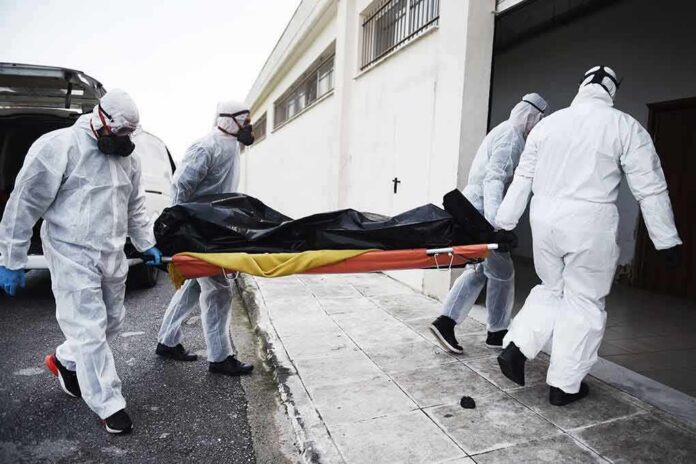
United Nations peacekeepers and aid partners have sent vehicles, motorcycles, and ambulances to strengthen response work in Bunia. The World Health Organization also said rapid response teams were deployed, sample transport was supported, and surveillance was expanded at borders and points of entry. In practical terms, that means health workers are trying to reach patients faster and keep test samples moving without delay.
Other aid groups have built around the same need for speed. The World Health Organization said daily testing capacity in Bunia and Mongbwalu rose from 30 to 80 tests. That increase gives doctors a better shot at confirming cases before more people are exposed. The United Nations also reported thousands of contacts under follow-up, which shows how much work still sits ahead for local teams.
Why Community Engagement Still Matters
The outbreak has not been won by machines or laboratories alone. Officials and aid groups keep stressing community engagement because fear, rumor, and distrust can keep families from reporting symptoms or allowing testing. That point matters in Bunia, where surveillance depends on neighbors, local leaders, and health workers sharing information fast enough to beat the disease’s spread.
Our latest Behavioral Outbreak Sentinel Surveillance (BOSS) data come from two cities that are 550 kilometers apart: Bunia and Goma in DRC. Bunia is the capital city of Ituri Province, the epicenter of the current #Ebola outbreak. Our findings show that in this one Ebola… pic.twitter.com/YzpwTRFkCq
— Ifeanyi Nsofor (@ekemma) August 7, 2026
Field reports suggest the response still faces serious strain even as outside help arrives. Reuters described a system stretched by limited transport and uneven reporting, while Doctors Without Borders said gaps in surveillance, diagnosis, contact tracing, and community engagement continue to undermine containment. The lesson is plain: if Congo wants to choke off Ebola, it needs more than treatment centers. It needs reliable logistics, steady reporting, and public cooperation in every affected neighborhood.
Sources:
youtube.com, reuters.com, nature.com, africacdc.org, reliefweb.int, logcluster.org, africacdc.africa-newsroom.com, msf.org, media.un.org