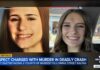
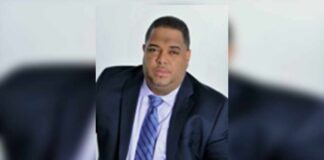
A Las Vegas jury convicted Duane “Keffe D” Davis of murdering Tupac Shakur, after hearing his own recorded accounts place him at the scene.
Story Highlights
- Jurors heard Davis describe the night of the shooting in his recorded interviews.
- Eyewitnesses described gunfire from a light-colored Cadillac near Shakur’s car.
- Prosecutors said Davis helped hunt for Shakur and armed the group before the attack.
- The defense argued there was no physical evidence and called his past words fiction.
What The Jury Decided And Why It Matters
A Nevada jury found Duane “Keffe D” Davis guilty of first-degree murder in the 1996 drive-by killing of Tupac Shakur. Prosecutors leaned on Davis’s own recorded statements and eyewitness accounts that fit a white or light-colored Cadillac pulling beside Shakur’s black BMW before shots rang out. Jurors heard Davis, in a 2008 police interview and other recordings, place himself in the car next to Shakur on the night of September 7, 1996. The verdict ends decades of questions while raising new ones about old evidence.
Trial coverage showed witnesses and police building a timeline around a moving caravan, the stop-and-go traffic near the Las Vegas Strip, and a sudden attack from the Cadillac. One witness testified that a man in the back seat of a light-colored Cadillac opened fire, aligning with the state’s drive-by theory, even though the shooter’s face was not identified. Another witness fixed Tupac Shakur in the passenger seat of a black BMW, driven by Suge Knight, minutes before the ambush.
The Recordings That Anchored The Case
Prosecutors did not rely on a single clip. They presented hours of Davis’s recorded remarks across multiple settings, including a lengthy 2008 law-enforcement interview. In these recordings, Davis walked through the moments leading to the shooting and put himself in the Cadillac next to Shakur and Knight. Reporting said jurors heard almost eight hours from four separate instances where Davis gave his version of events. That stack of statements formed the backbone of the state’s case.
Opening statements previewed the same theme: Davis admitted he was in Las Vegas that night, said he was in a white Cadillac with his group, and described seeking Shakur and Suge Knight before the shooting. The prosecution argued that Davis helped gather a gun, assemble allies, and drive the search that ended with shots into the BMW. Under aiding-and-abetting principles, a participant can be found guilty even if another person pulled the trigger, a point the state pressed as it tied roles to results.
The Weak Spots The Defense Pressed
The defense stressed gaps the state could not fill after 30 years. They told jurors there was no physical evidence that put Davis at the shooting. They argued the case leaned too hard on his past words, which he later labeled showmanship and book-selling hype. The defense called the state’s narrative “a nearly two-decades-long work of fiction,” urging jurors to doubt recorded stories not backed by scene forensics or direct shooter identification.
Witness memory also faced the weight of time. The most detailed eyewitness described a shooter’s silhouette and a light-colored Cadillac but could not identify faces. Other testimony showed uncertainty about the number of cars and exact movements in the convoy. Police reports from the 1990s and later recordings filled the gaps, but the defense argued that age and editing risks made those pieces less solid than the state claimed.
Law, Accountability, And A Caution For Justice
Prosecutors closed by saying Davis’s own accounts, backed by witness timelines, proved he helped set the deadly chain in motion. They argued he acquired a firearm, gathered his group, found the BMW, and opened fire from the Cadillac when the moment came. That framework matched what jurors heard and saw across the trial record, and it answered the core question the law asks in a group shooting: who helped cause the killing, not just who squeezed the trigger.
Keefe D Found Guilty in Tupac Shakur Murder Trial https://t.co/FjQRJf4gVn
— Hot 107.9 Atlanta (@hot1079atl) September 1, 2026
For readers who want order and truth after years of chaos, this verdict shows that persistence can still bring answers. But it also reminds us that delayed justice must be careful justice. The state’s case relied on recorded words and decades-old accounts more than fresh forensics. The jury weighed that mix and still found guilt beyond a reasonable doubt. Appeals may test these recordings again. For now, the system delivered a clear judgment grounded in the evidence heard in court.
Sources:
nbclosangeles.com, bbc.com, youtube.com, katu.com, rev.com