A viral UN hallway exchange tied Starlink to Iranian free speech, and millions watched from inside Iran, despite the regime’s censors.
Story Highlights
- Israeli UN envoy Danny Danon offered a Starlink terminal to an Iranian diplomat on September 24, 2026.
- The clip spread to about 9 million views across platforms, with nearly 40% of Instagram viewers reportedly in Iran.
- Netanyahu’s UN remarks linked Starlink to bypassing censorship and protecting free thought and speech.
- The Iranian diplomat declined the device; Danon posted the video afterward to highlight that refusal.
UN Exchange Put Censorship And Connectivity On Center Stage
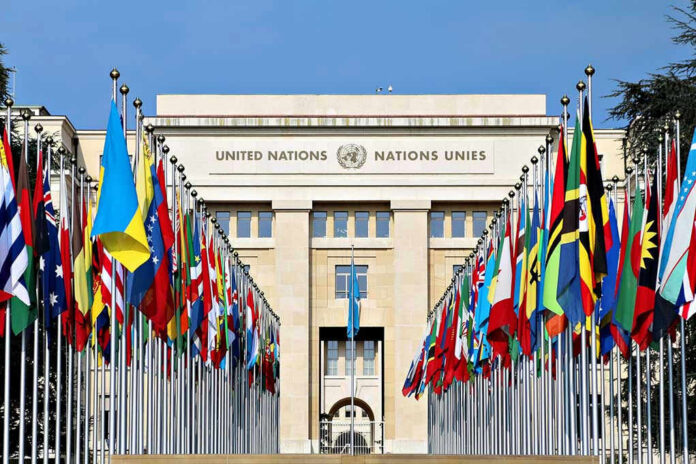
Israeli Ambassador Danny Danon approached an Iranian diplomat at the United Nations General Assembly on September 24, 2026. Danon offered a Starlink satellite internet terminal and urged the diplomat to “take it to Tehran,” tying the device to freedom for the Iranian people. Video of the brief exchange shows the Iranian official refusing to accept the equipment. The moment linked a simple piece of hardware to a larger fight over speech and truth under an internet blackout regime.
Prime Minister Benjamin Netanyahu set the stage in his UN speech by holding up a Starlink unit and calling it a path to truth and free speech. He said Iran’s rulers fear citizens getting access to such tools because they punch through state censors. Danon’s follow-up on the UN floor turned that claim into a visual challenge. He pressed the point that connectivity can help people think for themselves when governments try to silence them.
Viral Reach Reported Inside Iran, With Caveats On Analytics
Fox News reported the video gathered around nine million views across social media. The outlet also cited Instagram analytics shared with it showing 39.9% of viewers in Iran, the largest share from any country. Those figures point to a rare breach of a closed media space. However, the underlying dataset, time window, and platform verification were not made public in the reporting cited, which limits outside confirmation of the exact breakdown.
Danon’s office framed the clip as a message of freedom and free expression aimed at Iranians, and said hostile actors tried to blunt the impact by spreading counter-narratives online. That claim about a disinformation push is attributed to Danon’s representative in press comments and is not backed by independent audits in the records reviewed here. The core on-camera facts remain straightforward: an offer was made, a refusal followed, and the moment was posted by Danon himself.
Why This Matters For Free Speech And American Interests
Iran’s rulers have built a harsh system to control the internet. Reports describe bans on Starlink, arrests tied to terminals, and even rooftop scans and signal jamming to hunt users. Satellite links bypass state-run pipes, which is why authorities target them. For Americans who value the First Amendment, this clash shows what happens when a regime fears speech. It also shows how simple tools can help people share facts when rulers try to lock down networks.
The Israeli gesture aligns with a broader push to keep citizens connected when regimes shut off lines. During crises, satellite internet can help families talk, businesses function, and truth get out. That is not foreign meddling in speech; it is basic access to information. When a diplomat declines a device on camera, it underscores the priority of control over connection. The refusal tells a clear story about fear of open communication under authoritarian rule.
The Limits And The Opportunity Ahead
Large view counts do not prove persuasion, and the sources here do not show how Iranian viewers interpreted the clip. We also do not have a public, platform-verified analytics export that nails the 39.9% figure. Still, the exchange itself is verified on video, was tied to a UN event, and was posted by a named official, not an anonymous account. The visual of a Starlink device as a symbol of free speech will likely endure beyond this single moment.
A video featuring Israel's U.N. ambassador, Danny Danon, offering a Starlink device to an Iranian representative has gone viral, amassing around 9 million views on social media. Notably, nearly 40% of the video’s Instagram viewers are in Iran, which is unusual for Israeli… pic.twitter.com/ZHpourHpv7
— Spot on 101 (@Spoton101) September 27, 2026
For leaders who back liberty, the lesson is simple. When regimes throttle speech, help people get online. Do it lawfully, transparently, and with respect for local risk. Push for global policies that protect satellite access from jamming and criminalization. Stand with those who speak, even when it angers dictators. The United States, under President Trump, has stressed strength and sovereignty. That mission includes defending human freedom to speak and to know the truth.
Sources:
foxnews.com, iranintl.com, aa.com.tr, siasat.com, jpost.com