The Atlantic ran 4,000 words on a tragic death—but skipped hard facts that do not fit its anti-enforcement script.
Story Highlights
- Authorities say the student entered interstate traffic and was struck by a truck.
- Immigration officials confirm he was on an ankle monitor during proceedings.
- Family links his distress to shame about the monitor, but the probe remained open.
- The Atlantic’s sweeping narrative sidelines key cautions from officials.
What Happened On The Highway
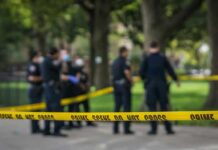
Ohio State Highway Patrol investigators reported that Pierre Damas Bel left his car on Interstate 70, entered the westbound lanes, and was struck by a truck. He died from his injuries, according to multiple outlets citing highway patrol information. Officials said the case was still under investigation at the time, and they were not ready to state a final cause or motive. Those facts formed the backbone of early, on-the-record reporting across major outlets.
Reporters described the highway sequence in clear terms. Investigators placed his car on the shoulder and his movement into traffic. That is a sober, verifiable account. It does not answer why he did it, but it does ground the public record. Responsible coverage should begin there. It should not leap to sweeping claims that go beyond what officials have actually confirmed. Readers deserve the scene facts before any larger narrative is built.
What We Know About The Ankle Monitor
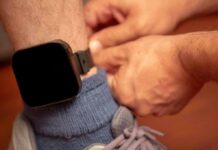
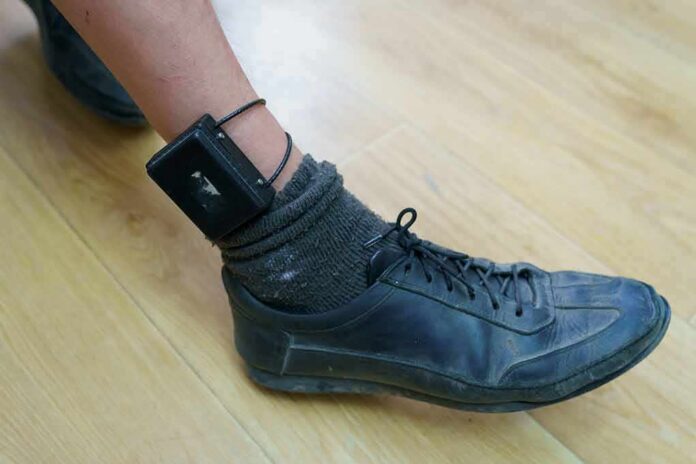
U.S. Immigration and Customs Enforcement said it placed Bel in an alternatives-to-detention program on July 29, 2026, which included a global positioning system ankle monitor. The agency stated that the device was used while his immigration proceedings continued. That point is not in dispute. Many stories affirm the monitor’s timing and the program’s purpose. These are standard tools used to track compliance without holding someone in a facility, according to on-record statements.
Bel’s family and advocates say he felt deep shame and humiliation wearing the device. They argue that stigma, plus fear around changing protections, weighed on him in the weeks before his death. Outlets carried those accounts, often citing social posts and relatives. At the same time, immigration officials said they would not comment on motive while the probe remained open. That leaves a gap between family belief and official findings that reporters should keep clear.
The Missing Certainty In Media Narratives
Several newsrooms noted that the coroner had not publicly confirmed the official cause of death in the early coverage window. That is a vital point. Without a coroner’s report, any psychological motive remains unproven. Yet The Atlantic published a long narrative that leans into a sweeping frame. It focuses on politics and emotion while stepping past the same cautions other outlets highlighted. That risks turning a heartbreaking case into a policy billboard.
Good journalism weighs all sides and marks what is fact, what is allegation, and what is still unknown. Here, the facts are clear on the highway events and the ankle monitor. The claims about bullying, shame, and policy effects are accounts from family and advocates. They matter. But they are not the same as verified causation. Responsible reporting keeps those lanes separate until investigators close the case or medical officials publish findings.
Why This Matters For Policy And Common Sense
Immigration monitoring sits at a crossroads between law and daily life. Alternatives to detention can reduce costs and avoid holding people in cells. But electronic tracking can also carry social costs and pressure. Those trade-offs demand honest debate, not curated stories that skip key caveats. Conservatives value accountability and truth. That means enforcing the law, protecting due process, and insisting that media separate proven facts from advocacy talking points.
President Trump’s administration must keep cases like this grounded in evidence. Agencies should release final findings when ready and explain how and why monitoring is used. Media outlets should resist turning a tragedy into an attack line before the record is complete. Readers deserve clarity: what officials verified about the roadway, what is confirmed about the monitor, and what remains an open question pending the coroner and investigators.
Sources:
abcnews.com, people.com, cbc.ca, theatlantic.com