President Trump warned that France’s street chaos shows how mass migration can unravel a nation—and he says Democrats would bring the same here if voters let them.
Story Highlights
- Trump tied France’s unrest to mass migration and radical ideology, urging U.S. vigilance.
- Protests in France drew crowds in the hundreds of thousands and disrupted schools nationwide.
- Reporting also cites school decay, staff shortages, and living costs as core protest drivers.
- Trump repeated his warning at a Kansas rally, framing it as a 2026 election lesson.
Trump’s Charge: Migration, Ideology, and a Warning to America
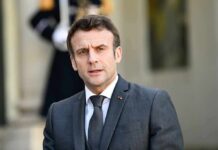
On October 6, 2026, President Trump posted that France’s unrest is “out of control mass migration” and claimed “Islam” seeks to take over the country, pointing to fires and street clashes as proof of a deeper cultural crisis. He argued that America must not repeat Europe’s mistakes. Trump’s message aims at border security, law and order, and defense of Western values. He framed the stakes as constitutional stability versus imported unrest from failed integration models.
At an October 19 campaign stop in Kansas, Trump told voters that if Democrats win, America will “burn” like France. He said images of wrecked streets and assaulted churches should be a wake-up call, not background noise. His line linked national borders, safety in cities, and the country’s cultural core. The point was simple: elections have consequences, and weak leaders invite chaos. The message fit conservative concerns about sovereignty, crime, and social cohesion.
What Happened in France: Scale, Disruption, and Street Disorder
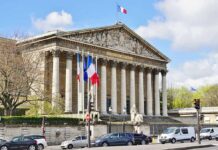
France saw student walkouts, school blockades, and mass marches across many cities. Reports described more than 250,000 people in the streets at the peak, with clashes in several areas and widespread disruption to classes. Some demonstrations turned violent, with fires and looting reported by international outlets. The scale indicates a real breakdown in public order. It strained police, closed schools, and shook daily life. Americans saw familiar scenes of mayhem and fear.
Crowd size and disruption gave Trump’s warning a vivid frame. When people see burning barricades and blocked campuses, they think about their own towns. They think about their kids. They think about rules that keep order and the borders that define a nation. Trump’s supporters view unrest as a symptom of deeper policy failure. They worry that elites dismiss disorder as “necessary protest,” while families pay the price in safety and stability.
Disputed Causes: Schools, Public Services, and the Cost of Living
News reporting tied the spark of the movement to deteriorating schools, teacher shortages, overcrowded classes, and crumbling buildings. As marches grew, demands expanded to wages, pensions, and broader living costs like fuel and food. A major union backed the push for better public services and pay. These accounts present a picture of strained systems and falling standards, not a protest organized around migration or religion as stated goals.
One broadcast reported that the French government pledged 3,000 additional substitute teachers, which suggests leaders responded to education pressures, not immigration demands. That is important context for readers. It shows how different actors describe the same events. Trump sees cultural erosion entering through the border and settling in urban hubs. French unions and students point to broken classrooms, tight budgets, and higher bills. Both describe crisis, but they argue over the cause.
Reading the Lesson for America: Security, Culture, and Competence
Conservatives can draw two lessons at once. First, public order matters. When leaders ignore basic services, costs, and safety, anger grows. Second, culture and migration policy shape whether a country can handle stress. Even if French protesters talk about schools and prices, uncontrolled migration and failed integration can magnify every strain. Europe’s leaders opened doors, then fell short on law, policing, and assimilation. Citizens now live with the fallout.
Trump, Vance Pin France Unrest on Immigration
Read the full story: https://t.co/wlpwvqEZAL
Trump and Vance blamed immigration for French unrest rooted in education and living-cost grievances, using it to campaign against Democrats.#France #protests #immigration #Trump #Vance… pic.twitter.com/p7uMPZcgtJ
— wondernews.now (@wondernews_now) October 19, 2026
Trump’s warning fits a broader case: secure borders, strong policing, and schools that actually work. That is how a nation protects families, faith, and the Constitution. The United States must not gamble on soft-on-crime ideas, identity politics, or open-border experiments. France shows how fast systems crack when leaders dodge hard choices. America should enforce the law, fix classrooms, control spending, and defend its culture—before unrest writes the lesson in flames.
Sources:
afp.com, firstpost.com, straitstimes.com, ground.news, internazionale.it, bignewsnetwork.com