
French President Emmanuel Macron vowed to punish rioters who torched a historic town hall and attacked police as protests over living costs spiraled into the worst unrest France has seen in years.
Quick Take
- Nearly 2,400 people were arrested and almost 1,000 police and gendarmes were hurt, according to AFP.
- The 19th-century Limoges town hall was set on fire, and part of the building collapsed.
- Macron said those who “destroyed,” “looted,” or “sought to bring down the Republic” will be held accountable.
- Arrest numbers reported by different outlets ranged from about 1,200 to nearly 2,400.
- Protesters say they are angry about high fuel prices, the cost of living, and crumbling schools.
Riots Erupt Nationwide as Anger Boils Over
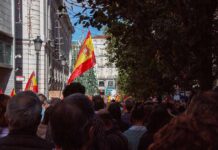
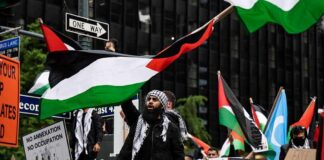
France erupted into chaos last week as hundreds of thousands of people took to the streets in cities across the country. Authorities estimated 550,000 participants nationwide, while organizers claimed closer to 800,000. What started as demonstrations over the cost of living and school conditions turned into fires, looted shops, and street battles with police in multiple cities.
AFP reported nearly 2,400 arrests and almost 1,000 injured police and gendarmes, including seven seriously hurt. Rioters threw bottles and rocks at officers, and looters tried to break into stores in Lyon. This was not a peaceful gathering gone slightly sideways. It was organized destruction that put lives and property at real risk.
Historic Town Hall Burns as Macron Draws a Line
The clearest sign of how bad things got came in Limoges, where the historic 19th-century town hall was set ablaze and part of the structure collapsed. Local prefect Maurice Barate called the fire deliberate, not accidental. Burning down a government building isn’t protest. It’s an attack on the institutions that hold a free society together.
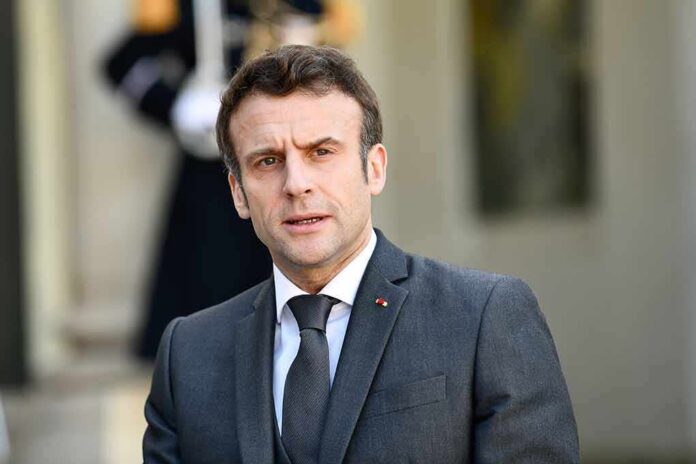
Macron responded with pointed language, separating peaceful marchers from criminals. “Those who destroyed must pay,” he said. “Those who looted must pay back.” He added that “those who sought to bring down the Republic will be held accountable”. That’s the right instinct — protect the right to protest while refusing to let rioters hide behind it.
Numbers Tell a Murky Story
Exactly how many people were arrested depends on who you ask. The BBC cited Prime Minister Sébastien Lecornu’s figure of 1,200 arrests. NPR and ITV reported about 1,800. AFP put the number at nearly 2,400. Police injury counts varied too, with the BBC citing 150 hurt officers compared to AFP’s nearly 1,000. The French government owes its citizens a clear, consistent accounting of what actually happened.
None of the reporting available so far lays out how many arrested rioters have actually been charged, convicted, or sentenced. Mass arrests show police were active. They don’t prove guilt. A government serious about accountability needs to follow through in court, not just rack up headline-friendly arrest totals.
Grievances Behind the Unrest
The protests didn’t start as riots. They began with high school students angry over teacher shortages, overcrowded classes, and rundown buildings, then grew to include labor unions and citizens frustrated by rising fuel prices and living costs. One 19-year-old demonstrator in Paris, identified only as Lola, said students were “violently attacked” simply for protesting and asking for better learning conditions.
France’s largest union, the CGT, backed the protests and called for higher wages, lower prices, and protection of public services. Those are legitimate demands that plenty of working families would recognize. But legitimate grievances don’t give anyone a license to burn town halls or assault police officers in the streets.
A Warning for Western Leaders
France’s meltdown offers a preview of what happens when government mismanagement collides with runaway living costs and crumbling public services. Energy prices, inflation, and neglected institutions created the fuel; agitators lit the match. American conservatives have watched this movie before, when riots were excused as righteous anger instead of treated as crimes.
Macron deserves credit for refusing to let rioters claim the moral high ground of the broader protest movement. Whether French courts actually follow through with real charges and sentences will determine if his tough words mean anything. Law and order either applies to everyone, or it means nothing at all.
Sources:
youtube.com, cnn.com, afp.com, applevalleynewsnow.com, npr.org, the-gazette.co.uk, euronews.com, abcnews.com