Several rescued survivors suffered wounds consistent with shark bites after a crowded boat capsized far off Baja, leaving 11 people missing as U.S. crews rushed them to San Diego hospitals.
Story Highlights
- Sixteen people were rescued about 140 miles west of Ensenada after a mayday call.
- The U.S. Coast Guard reported severe injuries consistent with shark bites among survivors.
- Hospitals in San Diego treated at least one suspected shark-bite patient.
- Authorities said 11 people remained missing after debris, not an intact vessel, was found.
Rescue At Sea After Predawn Distress Call
The United States Coast Guard said a distress call came in around 1 a.m. on October 16, reporting a boat taking on water about 140 miles west of Ensenada, Mexico. Crews responded and pulled 16 people from the Pacific. Officials reported 27 people in the water, which left 11 unaccounted for after the rescue. Air crews and cutters searched a wide area. Responders transferred survivors to San Diego for medical care following the rescue operation.
Coast Guard air and surface teams found only debris when they reached the scene. That evidence matched reports that the vessel had sunk or capsized. Officials have not identified the vessel type. The search covered the zone near common maritime routes between Baja and Southern California. The agency emphasized the mission focus was life-saving, with medical support on board during transport to shore facilities that could handle trauma.
Shark-Related Injuries Reported Among Survivors
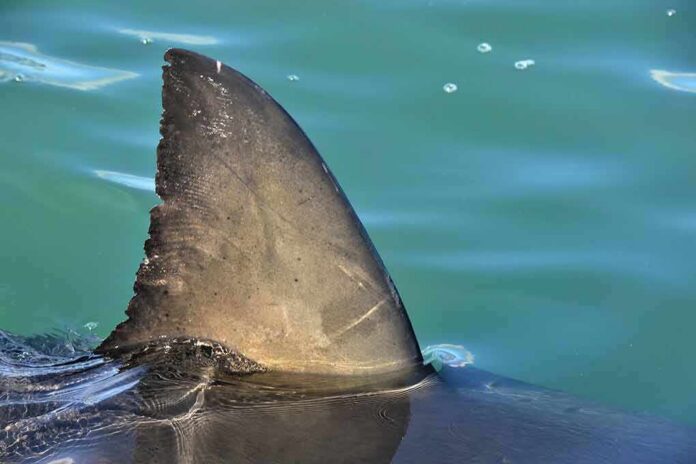
The Coast Guard stated that several survivors suffered severe injuries consistent with shark bites. Medical crews provided first aid in flight and during transfer. In San Diego, a Scripps Mercy Hospital spokesperson confirmed treatment for three rescued people, including one patient with a suspected shark bite and two with cold exposure. The reports did not name a shark species or provide forensic confirmation. Officials used careful language, reflecting early clinical assessments rather than final diagnoses.
Published accounts described deep, tearing wounds and heavy blood loss that rescuers worked to stabilize. The incident unfolded in waters known for large marine predators. Long search times and drifting survivors can raise the risk of wildlife encounters. Cold exposure and dehydration also threaten survivors in open water. Hospital teams in San Diego are experienced with such maritime cases. Their quick intake shows strong cross-border emergency coordination between sea and shore responders.
Unresolved Losses And A Dangerous Transit Pattern
Authorities said 11 people remained missing after the initial rescues. The Coast Guard later suspended active searching after extensive efforts failed to find more survivors. That step followed common search-and-rescue protocols. It does not close any law enforcement inquiries that may follow. Sea conditions, distance from shore, and time in the water make recovery difficult. These realities often turn a maritime emergency into a mass-casualty event despite strong U.S. rescue capacity.
Officials said the route was known for illegal maritime smuggling, but they did not confirm that this particular boat was part of a smuggling run. Past cases near San Diego show real growth in dangerous maritime traffic, often in overloaded pangas at night. Federal data reported 308 maritime smuggling events in California’s area of responsibility in fiscal year 2020 and 736 the next year, a nearly 140 percent jump. That surge tracks with more deaths and rescues along this corridor.
Where It Happened And Why It Matters
The capsizing happened outside United States waters, off Baja California. The United States Coast Guard responded based on the mayday call and regional rescue agreements. Survivors were moved to San Diego for urgent care because it offered the fastest path to trauma treatment. The mission fit the agency’s duty to save lives at sea, regardless of nationality or precise location, and to coordinate with Mexican partners as needed during such events.
This case highlights a hard truth familiar to coastal communities: illegal maritime traffic, if present, is not only a border issue but a safety crisis. Packed boats, long distances, and night operations turn the Pacific into a deadly gauntlet. The United States has improved coastal patrols, but vast waters and surging attempts stretch resources thin. Strong enforcement, tougher penalties on smugglers, and clear consequences can deter dangerous crossings and help protect both communities and vulnerable passengers.
What Officials Know Now
Officials confirmed the rescue of 16 people, reports of 27 in the water, and 11 still missing. They reported debris instead of an intact vessel at the scene. They documented severe injuries described as consistent with shark bites, with at least one suspected shark-bite patient treated in San Diego. Investigators have not yet confirmed the vessel’s purpose or final cause of loss. Further interviews and agency reviews may clarify these details in the days ahead.
Sources:
usnews.com, people.com, cbc.ca