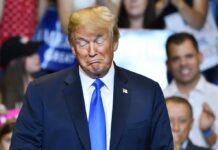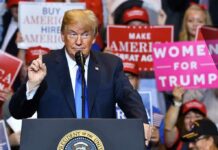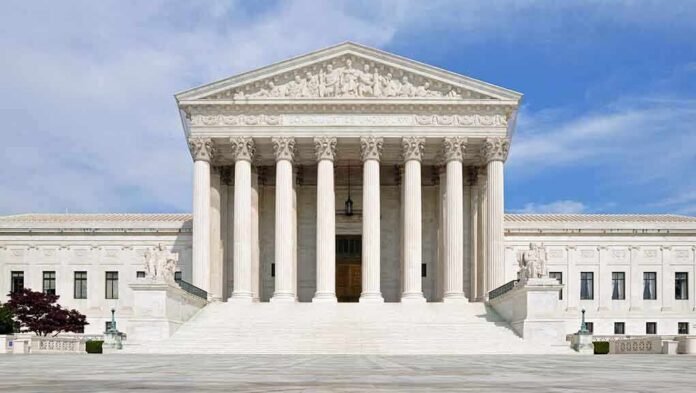
The Supreme Court cleared key parts of President Trump’s mail‑in voting order to move ahead, giving election‑integrity measures new life before November.
Story Highlights
- The Supreme Court paused lower-court limits, allowing parts of Trump’s mail-voting order to proceed.
- The administration seeks citizenship checks, state voter lists for mail ballots, and unique ballot barcodes.
- Separate rulings still block the Postal Service from enforcing parts of the plan for now.
- States and advocacy groups continue to fight the order as a power grab over state election control.
What The Court’s Action Changes Right Now
The Supreme Court allowed the administration to implement portions of its mail‑voting policy that had been limited by lower courts, marking a shift that benefits election‑security goals before the midterms. The decision does not end every injunction. A separate order still blocks the United States Postal Service from carrying out certain directives nationwide. Voters should expect uneven implementation as lawsuits continue, but the core push for tighter verification has regained momentum at the federal level.
The ruling arrives after months of legal back‑and‑forth. A Boston‑based judge first limited the order in June, and an appeals court later kept that block in place for many states. The Supreme Court’s move narrows those roadblocks and lets parts of the plan advance while the cases proceed. The practical effect is procedural: some federal steps to check eligibility and track ballots may start, while Postal Service actions remain paused under an August 11 ruling.
What The Trump Order Actually Does
The White House says the order directs the Department of Homeland Security and the Social Security Administration to build a State Citizenship List and send it to states to help verify eligibility for federal elections. The order also requires the Postmaster General to start rulemaking so mailed ballots use secure “Official Election Mail” envelopes with unique Intelligent Mail barcodes, and to rely on state‑provided mail‑voting participation lists so ballots are restricted to confirmed eligible recipients. Supporters argue these steps deter fraud and improve chain‑of‑custody.
Opponents in court argue the Constitution gives state legislatures and Congress, not the president, authority over election rules. They say the order tries to put the executive branch and the Postal Service in charge of who gets a ballot and how it moves, which they claim violates the separation of powers. They highlight prior rulings finding the Postal Service lacks authority to control mail voting, and warn federal lists could be used to pressure states and chill lawful voters. Those challenges have won several lower‑court orders, including the ongoing nationwide Postal Service block.
Where Legal Lines Still Hold
The Supreme Court’s action does not erase the August 11 ruling that bars the Postal Service from enforcing the new rules while the case proceeds. That means no final Postal Service rule can take effect yet, even though the agency published a version in case courts lift the stop later. States that sued also remain shielded under some prior limits as litigation continues. More hearings are expected on whether the president can direct agencies to set mail‑ballot delivery and tracking terms without new acts of Congress.
The fight centers on balance of power and basic safeguards. The administration frames citizenship checks, list‑matching, and unique barcodes as common‑sense tools that protect every legal vote and stop abuse. The states and advocacy groups frame those same tools as federal overreach that could slow ballot delivery or exclude lawful voters due to list errors. The Supreme Court’s move signals space for security steps, but final answers will come after full arguments and written opinions across several courts.
Why This Matters For Voters
Election integrity and access both depend on trust and clear rules. Unique barcodes, verified lists, and transparent tracking can deter ballot harvesting and help local officials confirm that each voter gets one ballot and one counted vote. At the same time, rushed data matching can create mistakes that snag law‑abiding voters. The Court’s action gives the administration room to start building safeguards, while other rulings keep a check on federal agencies until judges sort out the limits.
"The U.S. Supreme Court on Monday lifted a judicial decision blocking President Donald Trump's administration from implementing his executive order to restrict the use of mail-in ballots ahead of the November midterm elections that will decide control of Congress — though…
— Zoraida Sánchez (@Pettunia14) August 25, 2026
Conservative readers expect secure elections run by known rules. This development is a step toward that goal. The Supreme Court allowed parts of the plan to proceed, which supports stronger verification and tracking. But with the Postal Service still blocked and more arguments ahead, the work is not done. Watch for clear state guidance on ballot envelopes, tracking, and deadlines. Demand transparency, fast corrections for any list errors, and real‑time reporting so every legal ballot counts—and only legal ballots count.
Sources:
aclu.org, masslawyersweekly.com, npr.org