Iran’s IRGC has established a “tollbooth” regime at the Strait of Hormuz, charging $2 million in yuan per ship while Americans pay record prices at the pump—and the Trump administration appears powerless to stop this brazen shakedown of global energy markets.
Story Highlights
- IRGC operates tollbooth charging ships $2 million in yuan to transit Strait of Hormuz, controlling 20% of global oil trade
- Iran permits only six nations—China, Russia, India, Pakistan, Iraq, Bangladesh—to pass after coordination, excluding U.S. allies
- Oil prices surge past $104 per barrel as weekly transits reach highest levels since war began despite partial blockade
- Iraqi oil exports remain crippled while Baghdad negotiates for tanker access, highlighting failed regional security policy
Iran’s Wartime Toll System Extracts Revenue
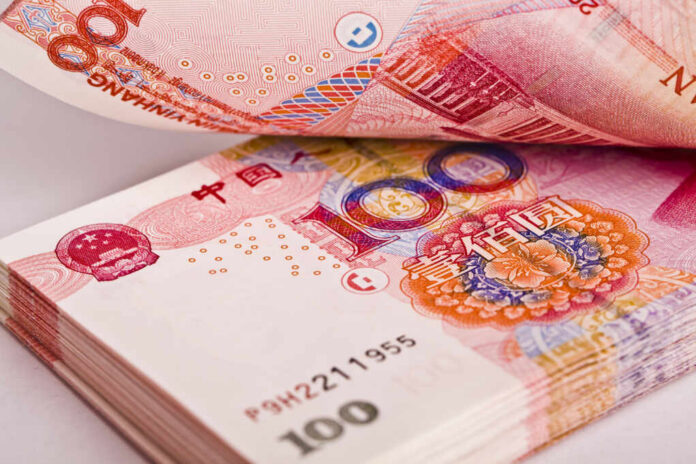
The Islamic Revolutionary Guard Corps now operates a de facto toll collection system at the Strait of Hormuz, demanding approximately $2 million per ship in Chinese yuan for passage rights. Iran’s parliament is formalizing this fee structure into law, with legislation expected next week. Lawmaker Mohammadreza Rezaei Kouchi described the tolls as “natural” wartime measures. Lloyd’s List Intelligence confirmed at least two yuan-denominated payments already processed, marking a fundamental shift in global shipping economics that bypasses the U.S. dollar entirely while funding Iran’s military operations.
Selective Access Favors Anti-Western Nations
Iran announced that only six countries—China, Russia, India, Pakistan, Iraq, and Bangladesh—may navigate the strait after coordinating with Iranian authorities. This whitelist excludes traditional U.S. allies and Western shipping interests, transforming a critical international waterway into a tool of geopolitical leverage. The IRGC maintains the strait remains closed to “enemies and their allies,” effectively weaponizing access to the 21-mile-wide chokepoint. This selective reopening contradicts international maritime law principles, which the Gulf Cooperation Council Secretary General condemned as violations of UN-recognized freedom of navigation rights.
Energy Prices Climb as Transits Resume
Brent crude surpassed $104 per barrel while West Texas Intermediate climbed above $90 as shipping through the strait increased to the highest weekly volume since the Iran-Israel-U.S. war began. The IRGC established the tolled passage system on March 27, 2026, after months of near-total closure that disrupted approximately 20 percent of global oil and gas trade. Iraq’s oil minister confirmed late March negotiations with Tehran to allow Iraqi tankers through, while simultaneously working to restart the Kirkuk-Ceyhan pipeline as an alternative route. These developments offer little relief to American consumers facing energy cost increases driven by instability the administration promised to prevent.
Regional Security Failures Empower Tehran
The IRGC’s ability to impose unilateral control over international waters demonstrates the consequences of failed deterrence policies. Gulf states protest Iran’s actions as illegal blockade escalation, yet lack military capability to challenge the tollbooth system independently. Iran’s coordination requirement for passage grants Tehran veto power over which nations access Persian Gulf energy resources, effectively undermining decades of U.S. efforts to guarantee freedom of navigation. The shift toward yuan-denominated toll payments further erodes American financial influence while strengthening China’s position in global energy markets, contradicting campaign promises to restore American energy dominance and secure Middle East stability.
Iraq’s dependence on Iranian approval for oil exports illustrates how regional allies remain vulnerable despite U.S. military presence. Baghdad’s ongoing talks to secure tanker passage while developing pipeline alternatives reveal the strategic costs of allowing Iran to dictate terms at this critical chokepoint. The formalization of toll fees through Iranian parliamentary action signals Tehran’s intent to make this revenue mechanism permanent, creating a sustained economic burden on global shipping that translates directly to higher costs for American families and businesses already struggling with inflation.
Sources:
Iran International – Iraq Oil Minister Announces Iran Talks
The Standard – Iran Names Six Countries for Strait Passage
Times of Israel – Iraq Requests Oil Tanker Passage
USNI News – IRGC Opens Tolled Passage in Strait of Hormuz