Bill de Blasio called Israel’s leader a “war criminal” on Hannity, but hard famine facts and Hamas diversion claims collided on air.
Story Highlights
- Bill de Blasio alleged Israel is starving families and labeled Benjamin Netanyahu a “war criminal.”
- United Nations-backed food security reports documented extreme hunger and later confirmed famine conditions in Gaza in 2025.
- Sean Hannity countered that aid gets diverted by Hamas and said U.S. funds should never fuel terror infrastructure.
- Experts say proving a specific leader’s criminal intent is a higher legal bar than documenting famine on the ground.
Clash On-Air: Accusation Versus Attribution
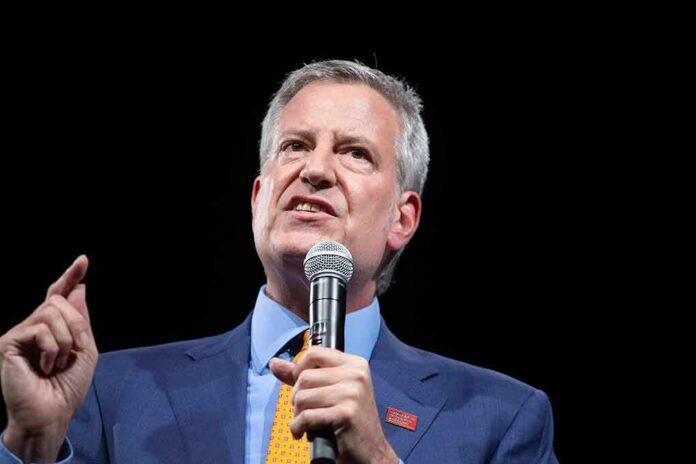
Sean Hannity hosted former New York City Mayor Bill de Blasio and pressed him after de Blasio claimed Israel’s Benjamin Netanyahu is a “war criminal” and that Israel is “starving” Gaza. Hannity challenged the charge and asked where evidence shows intent by Israel’s leaders to starve civilians. De Blasio pointed to severe hunger and high death tolls. Hannity argued Hamas steals or diverts aid and uses it to fuel its tunnel and rocket network, not to feed civilians.
Hannity said taxpayer money sent for relief should never empower terrorists. He cited years of reporting on Hamas tunnels and weapons, and warned that aid flows often get hijacked. He argued that any U.S. or international assistance must come with strict controls and enforcement, or it risks propping up the very network firing rockets at Israel’s towns. He added that saying “Netanyahu is a war criminal” shortcuts the harder question of who is blocking aid on the ground.
What Humanitarian Reporting Actually Shows
World Health Organization reporting in May 2025 said the entire Gaza population faced prolonged food shortages and that hundreds of thousands endured catastrophic hunger, with children dying from malnutrition during an aid shutdown period. By August 2025, the Integrated Food Security Phase Classification confirmed famine in Gaza Governorate, noting widespread starvation and preventable deaths. A United Nations-linked famine review also documented famine conditions with “reasonable evidence” that same month. These findings describe dire need, not legal blame.
Late 2025 updates showed some relief when access improved, yet warned that gains were fragile and the majority still faced high levels of acute food insecurity. These snapshots track the humanitarian arc: warnings, famine confirmation, then partial easing when aid and commercial entry rose. The reports are technical and focus on need, access, and outcomes. They do not decide who is criminally responsible. That is a separate legal process with a higher standard of proof.
Law And Labels: What Must Be Proven
Legal experts explain that international law treats starvation of civilians as a war crime when there is intent to deprive people of items needed to survive. Proving that charge requires linking decisions to a specific leader’s purpose and control, beyond showing that famine occurred. Humanitarian data can be powerful evidence of harm. But courts must also weigh command responsibility, intent, and causation. That is why famine can be documented faster than individual guilt can be established.
This difference matters in political debate. De Blasio used a legal label on air. Hannity pushed back, asking for the direct proof of intent. Hannity’s stance reflects a conservative view: facts first, law carefully applied, and no blanket smears against an allied democracy fighting a terror group. That approach seeks to help aid reach families while stopping Hamas from turning shipments into tunnels, rockets, and power over civilians.
The Hamas Diversion Dispute
Hannity’s claim that Hamas diverts aid rests on years of reports and footage about tunnels and weapons caches, including materials that enter Gaza as nominal “aid.” He argues that without strict monitoring and on-the-ground enforcement, terrorists will skim, seize, or tax relief. He points to his show’s reporting from tunnels and interviews describing cement and supplies repurposed for Hamas military use rather than civilian needs.
Critics of Netanyahu argue Israel’s restrictions choked aid and worsened hunger. Humanitarian agencies documented that famine threshold in 2025, confirming extreme deprivation. Supporters of Israel counter that Hamas embeds in civilian areas, steals goods, and uses scarcity as leverage. Both can be true at once: families suffer while terrorists exploit chaos. The policy test is simple: deliver more aid to the right hands, deny it to Hamas, and demand verifiable access that protects civilians and stops diversion.
Sources:
un.org, who.int, mediamatters.org, archive.org, en.pngoportal.org