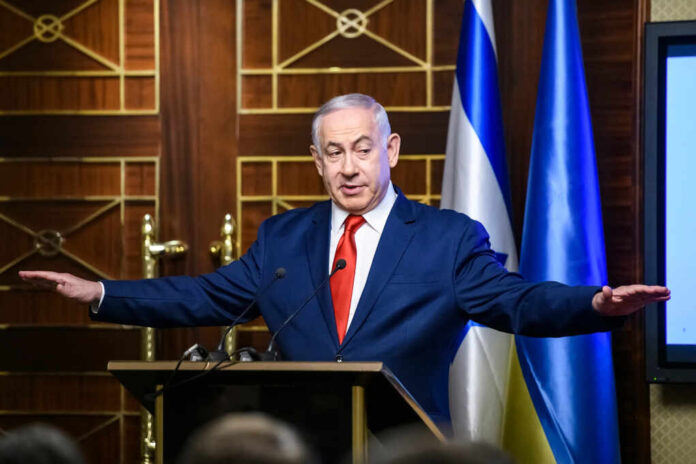
Netanyahu’s Western Wall vow of an “unbreakable” U.S.-Israel bond landed as Gaza fighting escalated and international critics grew louder.
At a Glance
- Netanyahu declares U.S.-Israel ties “strong as the stones” at the Western Wall.
- Secretary of State Marco Rubio and Ambassador Mike Huckabee join Jerusalem tour.
- Israeli strikes in Gaza kill at least 68 and wound over 300 in 24 hours.
- More than 300,000 civilians reportedly displaced amid the assault.
- Trump administration underscores pro-Israel stance despite humanitarian concerns.
Netanyahu’s Statement Reinforces U.S.-Israel Bond
On September 14, 2025, Israeli Prime Minister Benjamin Netanyahu stood beside U.S. Secretary of State Marco Rubio and Ambassador Mike Huckabee at Jerusalem’s Western Wall, declaring that the alliance between the United States and Israel was “strong as the stones” of the sacred site. The timing of this statement was deliberate, coming as Israel faced sharp international criticism for its military campaign in Gaza.
Watch now: Netanyahu Declares U.S.-Israel Alliance “Strong as the Stones”
The declaration echoed the Trump administration’s reassertion of traditional alliances and a departure from the policies of prior years, which critics saw as indecisive. Rubio’s presence highlighted the administration’s commitment to Israel’s security, while Huckabee’s involvement further emphasized the close relationship between Washington and Jerusalem.
For Netanyahu, the symbolism of the Western Wall served as a stage to signal unity and resilience against adversaries.
Escalating Gaza Conflict and International Reactions
While the alliance was celebrated in Jerusalem, the conflict in Gaza intensified. Israeli airstrikes targeted Hamas positions in Gaza City, killing at least 68 Palestinians and injuring more than 300 within 24 hours, according to initial reports. Humanitarian organizations estimated that roughly 300,000 civilians were displaced as residential areas came under fire.
International observers and advocacy groups called for an immediate ceasefire, pointing to the mounting civilian toll. However, Israeli officials argued that the operations were necessary to neutralize Hamas, which continued rocket attacks and held Israeli hostages. Netanyahu’s government maintained that the campaign was essential to protect national security, even as calls for restraint grew louder abroad.
Secretary Rubio, speaking in Jerusalem, said the U.S. would remain engaged in efforts to free hostages and discuss reconstruction once fighting subsided. His remarks suggested a dual-track approach, balancing firm support for Israel’s right to self-defense with acknowledgment of humanitarian concerns that could shape post-conflict diplomacy.
Implications for U.S. Policy and Global Alliances
The public reaffirmation of U.S.-Israel ties coincided with President Trump’s broader foreign policy reset. Since returning to office, Trump has emphasized sovereignty, constitutional values, and a rejection of what his administration calls “globalist drift.” His renewed embrace of Israel signals to allies that the U.S. intends to prioritize security partnerships grounded in shared democratic principles.
This approach marks a sharp break from the policies of prior administrations, which often sought middle ground in Middle East conflicts. For many in Washington, Netanyahu’s remarks alongside Rubio and Huckabee symbolized not just solidarity with Israel but also the administration’s broader philosophy: that America will not compromise its principles or strategic alliances under international pressure.
At the same time, the scale of the Gaza conflict presents challenges for U.S. diplomacy. Balancing humanitarian concerns with strategic support for Israel will test Trump’s foreign policy team, as the international community continues to press for ceasefire measures. Yet for both Netanyahu and Trump, the Jerusalem moment reinforced a central message — that their alliance is enduring, symbolic, and resistant to outside criticism.
Sources