
President Trump’s bold capture of Venezuela’s tyrant Nicolás Maduro has forced the socialist regime into a desperate amnesty bill.
Story Highlights
- U.S. forces captured Maduro on January 3, 2026, paving the way for acting President Delcy Rodríguez’s amnesty announcement on January 30.
- Amnesty targets hundreds of political prisoners detained since 1999, excluding those convicted of serious crimes like murder or corruption.
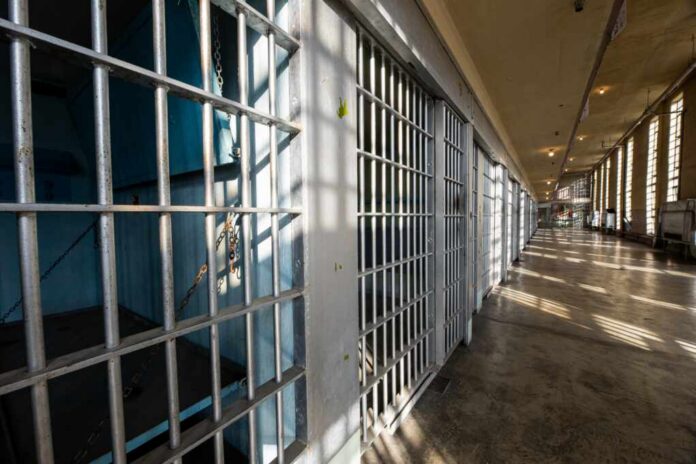
- Infamous El Helicoide torture prison in Caracas ordered closed and repurposed as a community center.
- All known U.S. citizens detained were released Friday evening, signaling American leverage success.
- Opposition leaders skeptical, viewing it as coerced under U.S. pressure rather than genuine regime change.
U.S. Capture Catalyzes Regime Shift
U.S. military forces seized former President Nicolás Maduro in Caracas on January 3, 2026. Delcy Rodríguez assumed the role of acting president shortly after. This operation ended years of Maduro’s repressive rule, which intensified arbitrary arrests following 2017 protests and the disputed 2024 election. Over 700 political prisoners languished in custody by early 2026, many opposition leaders, journalists, and activists. Trump’s decisive action under his America First doctrine dismantled a key socialist stronghold in Latin America, protecting U.S. interests against globalist threats like unchecked migration.
Amnesty Bill Details and Exclusions
On January 30, 2026, Rodríguez announced a National Assembly bill granting amnesty for political violence from 1999 to present. It covers hundreds of detainees, including figures like Freddy Superlano and Juan Pablo Guanipa arrested post-2024 election. Exclusions target convictions for murder, drug trafficking, corruption, or human rights violations. Unlike prior slow “goodwill” releases—302 since January 8 per Foro Penal—this legislative push promises broader scope. Rodríguez paired it with closing El Helicoide, SEBIN’s notorious torture site, to repurpose as a sports and cultural center.
Watch:
https://www.youtube.com/watch?v=HrZMypTsqaY
U.S. Citizens Freed Amid Pressure
Friday evening saw the release of all known U.S. citizens detained in Venezuela. The U.S. Embassy and Senator Marco Rubio confirmed the move. This follows partial prisoner releases criticized as a “trickle” by NGOs like Provea. Foro Penal documented 711 political prisoners as of late January, 183 sentenced. Families held vigils outside prisons, protesting delays. Trump’s leverage via Maduro’s capture and sanctions forced these concessions, prioritizing American safety over leftist appeasement.
Rodríguez stated the law aims to “heal wounds and redirect justice toward coexistence.” Yet opposition leader María Corina Machado calls it U.S.-pressured, not voluntary, demanding full repression dismantling. Alfredo Romero of Foro Penal welcomes it if comprehensive and non-punitive.
Venezuela Unveils Amnesty Bill For Mass Release Of Political Prisoners https://t.co/hybSNrcXXe
— zerohedge (@zerohedge) February 1, 2026
Stakeholder Reactions and Skepticism
Human rights groups like Foro Penal and Provea push releases as rights restoration, not regime clemency. They criticize past opacity. Rodríguez seeks reconciliation to stabilize her interim rule, possibly eyeing U.S. sanctions relief tied to oil reforms. Chavistas doubt her, while democrats fear authoritarian remnants. Academic Raúl Sánchez Urribarri notes Rodríguez faces distrust from both sides; the regime persists despite changes. Opposition gains leverage, but risks impunity if selective.
Implications for Stability and Precedent
Short-term, amnesty eases humanitarian crises for prisoners held 1 month to 23 years and their families. Long-term, inclusive implementation could foster coexistence, weaken authoritarianism, and professionalize justice. Economic stabilization via sanctions lift benefits follow. This sets a Latin American precedent: U.S. strength topples tyrants, vindicating Trump’s rejection of globalist weakness. Families outside El Helicoide celebrated initial news with “great joy,” hoping for enduring freedom.
Sources:
Hundreds of political prisoners in Venezuela could be released under new amnesty bill (Fox News)
Venezuela bill could lead to release of political prisoners (CBS News)