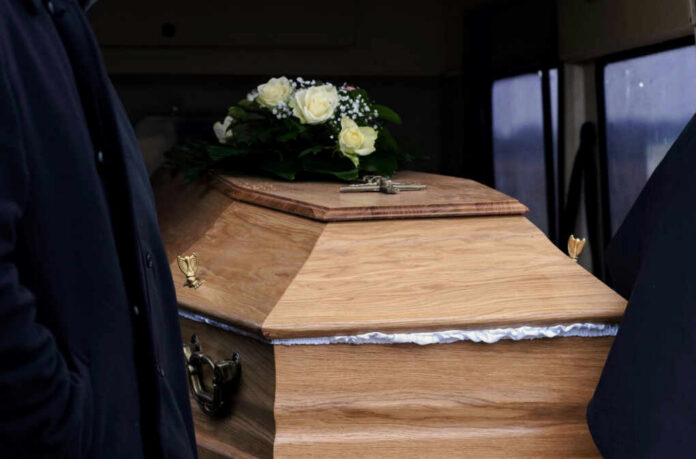
Nearly 200 decomposing bodies hoarded in a Colorado funeral home, with families handed fake ashes, expose a grotesque betrayal of trust in the death industry.
Story Highlights
- Return to Nature Funeral Home owner John Hall sentenced to 40 years for stashing 189 bodies and defrauding grieving families with counterfeit ashes.
- Multiple scandals involving coroners and directors reveal systemic failures, from mass graves for the homeless to bodies hidden in crawl spaces.
- Lax state oversight allowed profit-driven abuse, eroding dignity for the deceased and closure for vulnerable families.
- Convictions signal accountability, but acquittals in some cases highlight enforcement gaps demanding reform.
- These outrages unite Americans across the political divide in demanding government protect basic human decency from elite exploitation.
Colorado’s Funeral Home Nightmares Unfold
John Hall, owner of Return to Nature Funeral Home, pleaded guilty to nearly 200 counts of corpse abuse. Authorities discovered 189 decomposing bodies stashed in the facility. He issued fake ashes to families, pocketing burial funds meant for proper cremations. A judge sentenced Hall to 40 years in prison following emotional victim impact statements. This case caps a series of horrors shaking Colorado’s funeral sector.
Pattern of Abuse Across Multiple Cases
Miles Hartford, a former Denver funeral director, stored 30 bodies in a rental property crawl space and human remains in a hearse. Denver police arrested him, leading to an 18-month prison sentence in June. Davis Mortuary hid remains, adding to the tally of misconduct. These incidents cluster in rural and urban areas, from Denver to Las Animas County, exposing fragmented regulation.
Former Lake County Coroner Shannon Kent and her wife faced corpse abuse charges after investigators found four bodies in their funeral home. A jury acquitted them in 2022. Las Animas County Coroner Dominic Vercher buried homeless individuals in mass graves and allegedly pocketed funds. The Colorado Bureau of Investigation and 3rd District Attorney cleared him in early 2024, citing statute compliance.
Government Failures Betray Grieving Families
Colorado’s lax oversight blends public coroner roles with private funeral businesses, creating conflicts of interest. Indigent burial funding shortages leave low-income and homeless deceased vulnerable to exploitation. Operators pocketed county funds while denying families closure. Rural communities suffer most, losing faith in institutions meant to honor the dead with dignity.
Prosecutors secured convictions against Hall and Hartford, yet acquittals for Kent and Vercher reveal evidentiary hurdles. Local news investigations by outlets like News 5 drove public outrage, pressuring authorities. Families endured trauma from discovering their loved ones’ remains mishandled or replaced with falsehoods. This erodes the American principle of individual dignity, even in death.
Calls for Accountability and Reform
Short-term prison terms deter future abuse, spurring inspections amid mounting scrutiny. Long-term, stricter licensing and coroner oversight loom to prevent hoarding and fraud. Statewide closures risk higher costs, but set precedents amid national scandals. Both conservatives frustrated by government incompetence and liberals decrying elite profiteering demand action. In Trump’s 2026 era of GOP control, such failures spotlight the deep state’s neglect of core values—limited government that actually protects citizens.