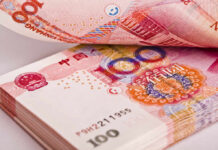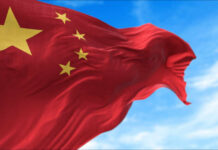
China dominates the global drone market it built, yet now imprisons its own citizens for flying them—exposing the communist regime’s iron fist on innovation and individual freedoms that threaten American security interests.
Story Snapshot
- China controls 70-90% of world drone production through DJI, fueled by state subsidies and Shenzhen’s manufacturing hub.
- New 2026 rules mandate real-name registration, jail for unauthorized flights, and aggressive police enforcement chilling hobbyist use.
- U.S. heavily reliant on Chinese drones for police and filmmakers, facing bans amid national security risks from Beijing’s control.
- Crackdown prioritizes state-controlled “low-altitude economy” over personal liberty, mirroring government overreach conservatives oppose.
China’s Drone Dominance Through State Control
DJI, founded in 2006 in Shenzhen, captured 70-90% global market share with the 2013 Phantom series, leveraging cheap pricing and ease-of-use. China’s “Made in China 2025” plan, launched in 2015, poured subsidies into drones for world leadership. Shenzhen’s ecosystem of batteries and sensors enabled massive scale. This state-driven strategy crushed Western competitors through dumping and investments, creating dependency that endangers U.S. autonomy. By 2024, China operated 2.2 million civilian drones, a 455% rise over five years.
Escalating Crackdown on Domestic Skies
January 2026 introduced jail time for unauthorized drone flights, following 2024 registration rules and 2025 incidents like a Shanghai skyscraper collision. Early 2026 saw police questioning users at power-on, home visits, fines, detentions, and confiscations. Dealers report business declines and surging used drone sales. May 2026 mandates real-name registration tying drones to ID or phone numbers. The Ministry of Public Security enforces these to counter hacking, aviation risks, and dual-use threats learned from Ukraine and Iran conflicts.
Impacts on Users, Economy, and U.S. Security
Hobbyists face grounding, with recreational flights chilled nationwide. Commercial “low-altitude economy” for delivery and farming advances under tight control, boosting military expertise long-term. Over 3 million drones registered by late 2025. In the U.S., 80% of commercial and 92% of first-responder drones are DJI, prompting congressional bans. Firms like BRINC gain 7% in public safety, but America lags years behind in infrastructure. This entrenches China’s supply chain lock-in, heightening tensions.
Chinese users endure overreach—police preemptively calling upon drone activation violates basic freedoms. Conservatives see parallels to government intrusion, urging Trump administration vigilance against similar erosions of liberty at home. Export controls rise as Beijing supplies conflict zones while locking down its skies.
Expert Views Highlight Strategic Risks
Experts like Dan Wang praise China’s “process knowledge” in scale manufacturing. Craig Singleton condemns subsidies that crushed the West. Blake Resnick of BRINC notes China holds 90% while the free world has 5%. Drew Thompson, ex-Pentagon, says Ukraine risks alarm Beijing. Song Zhongping calls for loosening rules to build war reserves. XPeng’s chair pushes regional airspace flexibility. DJI insists success stems from innovation, not subsidies. Consensus points to deliberate state strategy securing market control.
Sources:
Why China is leading the global drone revolution
China drone global market commercial military
China built the world’s drone industry. Now it’s locking down the skies
AUVSI Partnership for Drone Competitiveness At a Glance
DJI China drone success secret
China’s Drone Dominance: How Beijing is Reshaping Global Military Power