Chicago Public Schools is using taxpayer dollars to bus students to May Day protests while the district grapples with abysmal literacy rates, raising questions about priorities in a system where many students cannot read at grade level.
Story Snapshot
- CPS agreed to provide buses and food for students attending May Day protests after union pressure, despite initially refusing to cancel classes
- Parents were excluded from negotiations and are escalating concerns about safety and political bias to the Board of Education
- The district faces widespread criticism for low reading proficiency while subsidizing political activism with public funds
- No comparable support has been offered for conservative-leaning student protests, highlighting apparent political favoritism
Union Pressure Leads to Taxpayer-Funded Protest Support
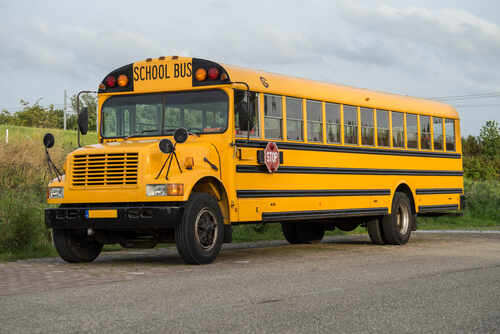
The Chicago Teachers Union demanded that Chicago Public Schools cancel classes on May 1 to allow participation in May Day protests. When CPS refused the full closure, negotiations resulted in a compromise labeled a “voluntary day of civic action.” Under the agreement, classes would technically remain in session, but the district would provide transportation and meals for students and teachers choosing to attend the afternoon rally at Union Park. CTU Vice President Jackson Potter defended the arrangement, claiming civic education requires engagement beyond textbooks, while Mayor Brandon Johnson praised the agreement as honoring labor history and advocating for the future.
Parents Challenge Decision-Making Process and Safety Concerns
Parents have voiced strong opposition to the agreement, emphasizing their exclusion from the decision-making process. Video evidence shows parents expressing frustration that negotiations occurred solely between CPS administration and the union, without input from families whose children would be affected. These concerned parents are now taking their objections to the Board of Education, citing both safety risks associated with the rally and the precedent of using school resources for politically charged events. While state law permits civic absences with parental consent, critics argue the district’s active logistical support crosses a line from accommodation to endorsement.
Academic Failure Contrasts with Protest Priorities
The decision to allocate resources for protest participation stands in stark contrast to Chicago Public Schools’ ongoing academic struggles. The district faces persistent criticism for low reading proficiency rates among students, raising fundamental questions about institutional priorities. Legal scholar Jonathan Turley characterized the situation as subsidizing radical agendas within a failing educational system, noting the absence of equivalent support for right-leaning student activism such as pro-life or pro-Israel demonstrations. This disparity suggests a troubling pattern where public education resources serve political purposes rather than core academic needs, leaving taxpayers funding initiatives that appear disconnected from improving student outcomes.
Broader Implications for Public Education and Parental Rights
The Chicago arrangement establishes a concerning precedent for urban school districts nationwide, demonstrating how powerful teachers unions can leverage their influence over administrators to advance political objectives using public funds. The short-term impacts include potential safety risks for students at politically charged rallies and the normalization of school-sponsored activism. Long-term consequences may prove more serious, eroding public trust in educational institutions already struggling with credibility due to poor academic performance. The marginalization of parental voices in decisions affecting their children represents a fundamental challenge to the principle that parents, not unions or bureaucrats, should have primary authority over their children’s education and civic formation.
Sources:
Chicago schools reward protest students can’t read – Fox News Opinion by Jonathan Turley