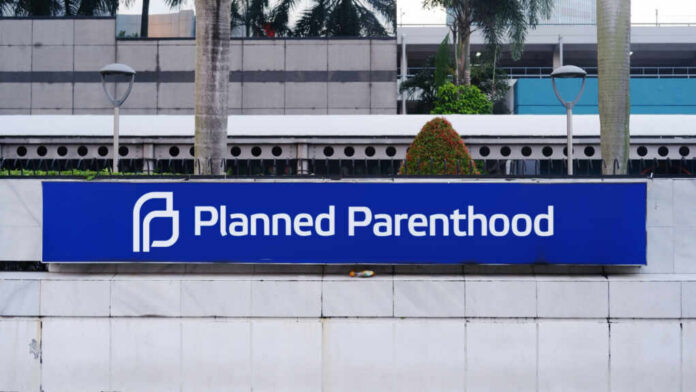
FOIA documents suggest Biden-era SBA officials discussed Planned Parenthood’s PPP loan decisions under the politically loaded code word “Benghazi,” raising fresh questions about whether federal transparency rules were sidestepped.
Quick Take
- Sen. Joni Ernst says SBA emails and a Teams meeting used “Benghazi (PPP/PPH) Decisions” while debating Planned Parenthood’s PPP eligibility and forgiveness.
- Planned Parenthood affiliates were told in 2020 they were ineligible for PPP under small-business size and affiliation rules, but many loans were later forgiven.
- The SBA under Administrator Kelly Loeffler has reopened review of Biden-era forgiveness decisions and is seeking documentation from Planned Parenthood affiliates.
- Ernst has asked the Department of Justice to investigate whether the “Benghazi” label was used to evade public-records scrutiny, a claim not yet validated by DOJ action.
What the FOIA trail shows about “Benghazi (PPP/PPH) Decisions”
Senate documents and outside FOIA releases describe an internal SBA email thread launched April 30, 2021, with the subject line “Benghazi (PPP/PPH) Decisions,” tied to Planned Parenthood and Paycheck Protection Program questions. A subsequent Microsoft Teams meeting organized June 29, 2021, reportedly carried the same label. Sen. Joni Ernst says the label signals an effort to obscure sensitive discussions from records requests, but intent remains unproven without investigative findings.
Records cited by Ernst place the discussions inside a broader dispute over whether Planned Parenthood affiliates qualified under PPP rules meant for small employers. The PPP was designed as forgivable relief during COVID-era shutdowns, but eligibility depended on meeting employee-count thresholds and complying with “affiliation” rules that can treat related entities as a single employer. That framework is central because Planned Parenthood affiliates are linked to a national organization, complicating size calculations and eligibility reviews.
How Planned Parenthood became a PPP flashpoint
The timeline in Senate materials says the SBA notified Planned Parenthood affiliates on May 19, 2020—during the Trump administration—that they were ineligible for PPP loans. Despite that, the dispute did not end with a straightforward clawback, and the issue carried into 2021 as political pressure rose. Ernst’s materials reference that dozens of Planned Parenthood affiliate loans ultimately moved toward forgiveness during the Biden administration, even as the underlying eligibility questions persisted.
A key data point repeatedly cited is the total involved: roughly $88 million to $90 million in PPP loans tied to Planned Parenthood affiliates, with most of those loans later forgiven. Ernst’s letter also references Government Accountability Office reporting that confirms a similar forgiveness figure associated with Planned Parenthood affiliates, without resolving the legal eligibility debate on its own. The practical question for taxpayers is whether forgiveness was consistent with statute and SBA rules, or a policy-driven exception.
Why the code word matters for transparency and oversight
Conservatives who already distrust “government by insider networks” see this as a test case: agencies must document decisions in plain terms, preserve records, and cooperate with Congress. Ernst argues that using “Benghazi”—a term tied to an infamous national-security scandal—as an internal label could reflect a mindset of political damage control rather than public accountability. The label’s existence is documented, but a criminal motive has not been established publicly.
What happens next: SBA review and a possible DOJ response
As of early 2026, the SBA under Administrator Kelly Loeffler has opened a review of Biden-era forgiveness decisions involving Planned Parenthood affiliates and has requested documentation. That review is a concrete development because it can lead to findings on eligibility, recordkeeping, and compliance—without requiring Congress to pass new laws. Ernst is also urging DOJ involvement, but the provided materials do not confirm any opened investigation or enforcement action.
Under Biden, $90 million went to the nation’s largest abortion provider.
Planned Parenthood was ruled ineligible for these small business loans.
Yet officials used the code word “Benghazi” to discuss and conceal internal deliberations.
Absolutely unacceptable. We need answers.…
— Rep. Claudia Tenney (@RepTenney) April 27, 2026
If the review concludes affiliates were ineligible, the fallout could include repayment demands, tighter enforcement of affiliation rules, and a broader reexamination of forgiveness decisions across large nonprofits. If the review finds proper eligibility and documentation, it could still expose weaknesses in how the federal government communicates, archives, and discloses politically sensitive decisions. Either way, the story lands on a familiar pressure point in 2026: Americans across parties want fair rules—and they want them applied consistently, in the open.
Sources:
What Difference Does It Make? (episode)
Ernst Uncovers Biden Admin Cover-Up Funneling $90 Million to Top Abortion Provider
Why the Codewords? Ernst Asks DOJ to Investigate Biden Admin Discussions of Planned Parenthood Loans