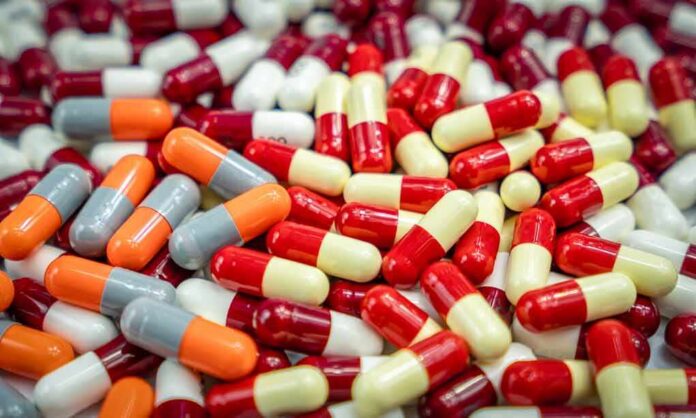
A half-mile of Washington Heights is now described as an open-air prescription drug bazaar, with pills sold on sidewalk tables in broad daylight.
Story Snapshot
- Report says at least 20 vendors sold prescription pills across 10 blocks in Washington Heights.
- Selling prescription drugs without a license is a felony in New York, carrying up to seven years.
- Past busts and federal cases show counterfeit and diverted pills already flood New York City.
- No current official confirmation or arrest list has been released for the July 2026 vendors.
Open-Air Pill Sales Reported Along St. Nicholas Avenue
New York Post reporters described vendors laying out loose blister packs of painkillers and erectile dysfunction pills from West 179th to West 183rd streets along St. Nicholas Avenue. They counted at least 20 tables across roughly 10 blocks, forming what they called a “street pharmacy” selling in the open. The report did not include lab tests of these pills. City agencies have not issued a matching press release confirming vendor counts, arrests, or product types linked to those blocks.
New York State law makes it a felony to sell prescription drugs without a valid license. That crime is a Class D felony, with possible prison time up to seven years. The New York Post also cited penalties for illegal import and sale that range up to large fines and long prison terms under federal and state law. The Department of Sanitation is the lead city agency for vendor enforcement. Unlicensed vendors face civil fines that can start at $250 and grow with repeat violations.
Recent Cases Show Real Risks from Counterfeit and Diverted Pills
Federal agents seized about 100,000 suspected counterfeit pills in a Bronx mail distribution center in 2024. Preliminary field tests showed fentanyl and methamphetamine in the stash, and prosecutors charged two people tied to the operation. This was a separate case from Washington Heights. But it shows how street pills in New York City can be deadly. Buyers cannot verify ingredients on a sidewalk, and a single fentanyl-laced pill can kill.
Law enforcement also linked a Manhattan doctor to thousands of oxycodone pills that ended up on Washington Heights streets. Federal agents arrested Dr. Felix Rodriguez, and an NBC report said a gang sold close to 50,000 pills at up to $30 a pill, with the doctor taking more than $500,000. Separately, New York City’s Special Narcotics Prosecutor announced a 55-count indictment in 2021 after disrupting a round-the-clock street market, underscoring how organized crews run open-air drug sales in the area.
Longstanding Street Trade in HIV Medications and Other Drugs
City Limits reporting described Washington Heights as a hub for illegal sales of HIV medications. Community leaders and law enforcement sources said this activity has been visible for years, often near uptown subway stations. That history helps explain why the July 2026 account of sidewalk pill tables resonates with locals. It also shows this is not a one-off event but part of a pattern that moves when pressure rises and returns when it fades.
Concerns go beyond crime. When pills are diverted or counterfeit, patients skip real care and take unsafe doses. Crooked actors can drain public programs by billing Medicaid for street-bought drugs at full price, a scheme City Limits detailed in prior investigations. That creates a perverse incentive for some pharmacies that profit while neighborhoods bear the risk. Taxpayers pay twice: once for the fraud and once for the fallout when people get hurt.
What We Know, What We Do Not, and Next Steps
The July 2026 vendor count, locations, and product list come from a single outlet. There is no matching public statement from the New York Police Department, the Drug Enforcement Administration, or New York City health officials that confirms arrests or seizures from those specific sidewalk tables. The report does not show lab results on the pills, so any claim about ingredients on those blocks remains unverified. That is a key gap that invites quick testing and targeted enforcement.
Authorities have the tools. Federal drug laws address counterfeit and diverted pills. State law treats unlicensed pill sales as a felony. City rules allow civil penalties for illegal vending. Federal actions in the Bronx pill case and past Washington Heights takedowns prove enforcement can work. The path forward is clear: coordinate street-level sweeps, test seized pills fast, and pursue diversion rings and fraud networks that feed the sidewalk trade.
Accountability Demands Clear Data and Visible Action
New Yorkers deserve safe streets, honest pharmacies, and respect for the rule of law. City leaders should release vendor enforcement logs, arrest numbers, and seizure data for the Washington Heights corridor in 2026. Federal agencies should share lab results when they exist, and prosecutors should outline charges when ready. Sunlight builds trust. If the tables are as widespread as reported, then prompt action will shut them down and send a message that open-air pill markets are not welcome here.
Sources:
zerohedge.com, news.com.au, dea.gov, nbcnewyork.com, ntd.com, secretservice.gov, citylimits.org