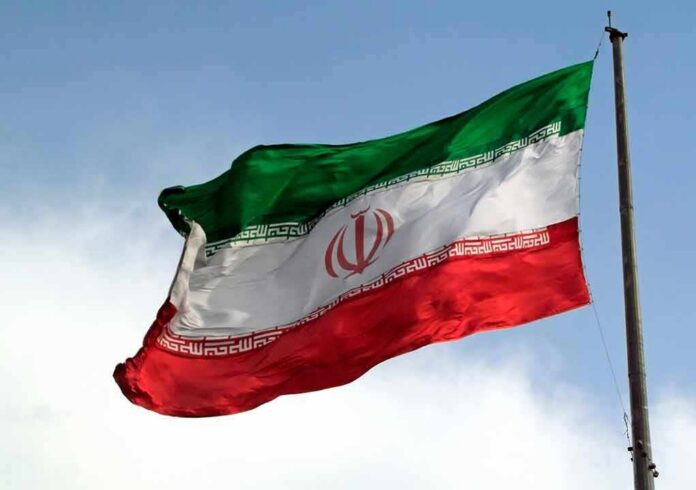
Iran’s Revolutionary Guards are telling civilians to stay away from American forces across the Gulf, a stark warning that Tehran expects the fighting to keep spreading.
Story Snapshot
- Iran’s Islamic Revolutionary Guard Corps (IRGC) issued public warnings for civilians to avoid areas near U.S. military forces in the region.
- The IRGC claims it struck and destroyed Amazon’s cloud data center in Bahrain multiple times using cruise missiles and drones.
- Tehran says the strikes are payback for U.S. military action, including attacks it claims hit civilian areas.
- Amazon, Bahrain’s government, and U.S. officials have not confirmed the extent of any damage.
- The warnings come amid a wider pattern of Iranian strike claims against Gulf targets tied to American interests.
Guards Warn Civilians as Strikes Continue
Iran’s Revolutionary Guards have told civilians to keep their distance from U.S. forces stationed across the region. The warning follows weeks of Iranian strike claims against American-linked targets, including military bases and private companies accused of helping U.S. operations. The message signals Tehran plans more attacks and wants to shift blame for any civilian harm onto Washington.
The warning arrives as fighting between Iran and the United States has dragged on for weeks, with strikes hitting ports, coastal sites, and infrastructure tied to American businesses. President Trump’s administration has kept military pressure on Iran throughout the conflict, and Tehran’s own statements suggest its forces expect to keep striking targets it links to U.S. operations in the Gulf.
Amazon’s Bahrain Hub Targeted Again and Again
The Revolutionary Guards say they have hit Amazon’s cloud computing center in Bahrain more than once. In April, the IRGC claimed its forces “attacked and destroyed” the facility, accusing Amazon of helping U.S. and Israeli operations in the region. Iranian state media repeated the claim within a day, framing it as the first strike on a Western tech firm in the Gulf.
Months later, the Guards claimed a second, bigger attack. Iran’s air force said it used several cruise missiles to hit what it called Amazon’s “central data infrastructure,” insisting the facility was destroyed this time. Iranian officials tied the new strike to U.S. bombing runs the day before, continuing a tit-for-tat pattern that has defined the conflict for months.
Earlier reporting also pointed to physical damage. Amazon’s cloud division disclosed in March that one of its Bahrain facilities suffered harm during a drone strike, and Iranian state media said the attack targeted the company specifically for supporting the U.S. military. A separate report described Iranian drones striking Amazon sites in both Bahrain and the United Arab Emirates that same week.
Unverified Claims Fit Wartime Pattern
None of Iran’s strike claims have been confirmed by Amazon, Bahraini officials, or the U.S. government. Tech industry reporting has tracked the Bahrain facility going offline more than once, but notes Iran claimed credit for taking it down “again,” raising questions about how much damage actually occurred versus what Tehran wants the world to believe.
This fits a familiar wartime habit. Combatants often announce battlefield wins before anyone can check the facts, and cloud data centers are especially hard for outsiders to inspect. Service outages can come from many causes beyond a missile strike, so claims tend to spread faster than any real confirmation ever catches up.
Trump Administration Faces a Widening Gulf Conflict
The strikes on Amazon and the warnings to civilians show how far this conflict has spread beyond the battlefield. Iran is now targeting private American companies it accuses of backing U.S. military operations, a tactic meant to raise the cost of Washington’s involvement without directly hitting U.S. troops. That puts American businesses operating overseas squarely in the crossfire.
President Trump’s administration has continued military operations against Iranian targets throughout this stretch, and Tehran’s warnings suggest it does not expect that pressure to ease soon. For American businesses and troops stationed across the Gulf, Iran’s message is blunt: expect more strikes, and don’t expect Tehran to wait for confirmation before claiming victory.
Sources:
insiderpaper.com, news.cgtn.com, iranintl.com, timesofindia.indiatimes.com, euronews.com