

Hours after President Trump announced an immediate energy ceasefire, Ukraine reported six new Russian strikes on its power facilities.
Story Highlights
- President Trump announced an immediate energy ceasefire between Russia and Ukraine, without public terms.
- President Zelenskyy said Ukraine would comply if Russia stopped hitting energy sites.
- Ukraine reported six Russian attacks on energy facilities after the announcement.
- Reporters noted no detailed agreement text and no immediate Russian confirmation.
What Trump Announced And How Kyiv Responded
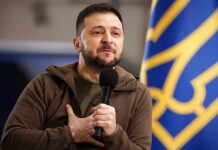
President Trump stated on social media that an energy ceasefire between Russia and Ukraine took effect “immediately,” saying both sides agreed and should not break it. Reuters and other outlets said the post had no details on terms or enforcement. President Volodymyr Zelenskyy then said Ukraine supported a ceasefire on energy targets and was ready to stop hitting Russian energy sites if Russia did the same. He added that Kyiv awaited details from the American side.
Ukraine’s position set a clear condition: halt strikes on Russian refineries and energy systems if Russia stopped attacks on Ukraine’s grid. That public stance showed a willingness to reduce civilian energy pain heading into colder months. It also put the focus on reciprocity. Trump’s team framed the step as practical relief for consumers and stability for power networks. The lack of a published text, however, left questions about definitions, timing, and how each side would verify conduct.
Reports Of New Strikes After The Ceasefire Post
Ukrainian authorities reported that Russia attacked six energy facilities after the ceasefire announcement window began. CBS News quoted Zelenskyy saying there was no sign Russia was complying and describing fresh strikes on power sites across the country. The Associated Press also reported that Kyiv said Russian attacks on energy sites continued after Trump’s statement. Reuters reported a strike on a combined heat and power plant in Kharkiv that aligned with these accounts.
These reports match a wider pattern in the war, where both sides have targeted energy infrastructure for leverage. That pattern makes any truce on energy sites difficult to hold without written rules and monitoring. Analysts and prior experience suggest that partial, quick-announced truces break down when each side claims a different start time or different definitions of “energy infrastructure.” The March 2025 effort faced similar issues and unraveled after both sides alleged violations.
Why The Terms Matter For U.S. Interests
Clear terms would help shield American families from energy price shocks. When wars hit refineries, pipelines, and power plants, fuel prices can rise, shipping slows, and supply chains feel stress. A working ceasefire on energy sites could lower risk premiums and help keep power on for civilians. That aligns with conservative priorities: protect households, keep markets stable, and avoid open-ended foreign entanglements. Precision and accountability serve these goals better than vague deals that invite blame games.
Officials and media reports noted no immediate confirmation from Moscow when Trump posted the ceasefire. That silence matters because enforcement depends on what commanders on the ground are told and when. Without a shared document, it is tough to judge each incident. Still, the core facts are straightforward: Trump called for an immediate stop to energy strikes; Ukraine publicly backed the idea with conditions; and Ukraine then reported new Russian hits on its energy network the same day.
Sources:
dw.com, abcnews.com, reuters.com, cnbc.com, cbsnews.com