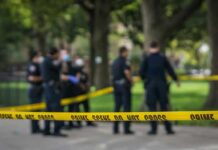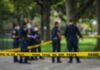
A police report confirms an ongoing investigation after an Arizona House candidate said she was raped while fixing a campaign sign in Sun City.
Story Snapshot
- Maricopa County Sheriff’s Office is investigating a reported sexual assault tied to campaign activity.
- The candidate says she was attacked near 99th Avenue and Bell Road in the early hours of August 14.
- Apartment surveillance shows her arriving home appearing dazed within the time window described.
- No suspects are publicly identified; delayed reporting limited forensic evidence.
Police Report Filed, Investigation Active
Maricopa County Sheriff’s Office investigators are working an alleged rape reported by congressional candidate Bernadette Greene-Placentia. Reports say she filed with the sheriff’s office on August 31, and the case remains open. Deputies documented her account and began canvassing for leads. Outlets that reviewed the incident report say detectives noted the time and location range and the lack of immediate medical evidence. The agency has not named suspects or released detailed findings while the work continues.
CNN and other outlets report Greene-Placentia said the assault happened after she stopped to fix a damaged campaign sign in Sun City. She said a man struck her from behind as she returned to her car around 2 or 3 a.m. on August 14. She reported being raped and described fighting back. Some coverage says a second man restrained her during the attack, which investigators logged in their narrative summary based on her statement.
Timeline, Location, and Available Corroboration
Coverage referencing the police file places the incident near 99th Avenue and Bell Road in Sun City. The exact parking lot has not been publicly identified. ABC News reports video from her apartment complex shows her arriving home around 1:40 a.m., appearing dazed, which aligns with her claim that she left to tend a sign and returned within a narrow window. That footage helped narrow the search area as investigators sought additional surveillance and potential witnesses.
Local reporting notes a small discrepancy in timing among sources, with one outlet citing her leaving shortly after midnight and the sheriff’s report marking the assault window closer to 2–3 a.m. Such gaps can follow a violent event, especially when a victim describes a head strike and loss of consciousness, which several outlets attribute to her account and the report summary.
Delayed Reporting and Evidence Limits
News outlets say Greene-Placentia did not go to a hospital immediately and washed clothing before filing a report weeks later. That delayed reporting reduced the chance to collect biological evidence. Fox 10 Phoenix and others say deputies documented that limit in the case file. Despite those hurdles, the sheriff’s office continues to pursue leads, review video, and assess any physical or digital traces that can still be recovered in the area.
The Maricopa County Sheriff's Office is currently investigating allegations from Bernadette Greene-Placentia, a Democratic candidate for Arizona's 8th Congressional District, who reported she was knocked unconscious and sexually assaulted by two men in August 2026. [1, 2]…
— FilaFresh (@filafresh) October 8, 2026
Experts and victim-service guidance describe delayed disclosure as common after sexual assault due to shock, shame, and fragmented memory. Public health and justice resources note many survivors report weeks later, and that investigators often plan follow-up interviews after initial stabilization to build a clearer record. That context explains how a delay can occur without negating a victim’s report, even as it makes evidence collection harder for law enforcement.
Public Safety and Campaign-Season Risks
This case highlights a risk many candidates face when working alone at night on roadsides and in parking lots. Simple steps can reduce danger: avoid solo late-night tasks, keep a charged phone and light, share live locations with staff, and request property owners or local police to check areas where campaign activity is common. These measures respect personal responsibility and community safety while helping deputies focus on real threats that target citizens doing civic work.
What Comes Next in the Case
Investigators can still expand their search for surveillance footage from nearby businesses and traffic cameras across the time window. They can canvass for late-shift workers who may have seen a vehicle or heard a struggle. If any unwashed items or vehicle surfaces exist, they can be examined for trace evidence. A fuller public release of the incident file, with legal redactions, could also clarify the timeline and unify the public record once it will not hinder the case.
Bottom Line
The sheriff’s office has an active case based on the candidate’s report of a violent assault linked to campaign activity. Some corroboration exists for her movements, while a late report limited forensic options. Detectives continue to work the leads they have. Communities should expect firm enforcement against predatory acts and support careful policing that protects every person’s rights and safety while preserving the integrity of the investigation.
Sources:
youtube.com, cnn.com, washingtonpost.com, newsweek.com, washingtonexaminer.com, azfamily.com