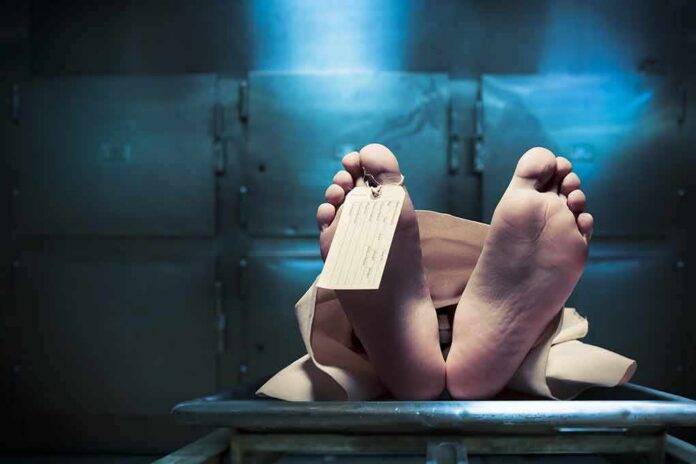
Harvard agreed to pay $53 million to families after its medical school morgue manager stole and sold parts from donated bodies, closing a dark chapter that shocked the nation.
Story Highlights
- A state judge gave preliminary approval to a $53 million class settlement for donor families.
- Harvard will deliver a live webinar statement condemning the misconduct as morally reprehensible.
- The Massachusetts Supreme Judicial Court allowed families’ lawsuits against Harvard to proceed in 2025.
- Federal prosecutors detailed the wide range of stolen human remains and secured guilty pleas and sentences.
Court-Approved Deal Resolves Families’ Claims
A Massachusetts state court preliminarily approved a $53 million settlement that Harvard reached with families of anatomical donors. The families said a longtime Harvard Medical School morgue manager stole and sold parts of their loved ones’ remains. The settlement includes a live webinar statement to families. Harvard will say the acts were morally reprehensible and against school standards, according to reports describing the agreement and court approval filed on August 18, 2026.
The settlement follows a 2025 ruling from the Massachusetts Supreme Judicial Court that allowed the families’ claims to proceed. The court held that Harvard could face suit over alleged mishandling tied to the Anatomical Gift Program. The decision reversed earlier dismissals and sent the cases forward. The consolidated action includes dozens of relatives as plaintiffs and names both Harvard and program staff as defendants in the civil cases.
Criminal Case Confirmed Theft Of Donated Remains
Federal prosecutors described how the morgue manager removed organs, brains, skin, hands, faces, and dissected heads from cadavers. The remains had been donated to Harvard for teaching and research. Prosecutors said the thefts happened after use but before proper disposition under donor agreements. The manager pleaded guilty to transporting stolen goods across state lines, and a federal court later imposed prison time in 2025, confirming the core criminal conduct.
Harvard’s earlier court filings said the university did not know about the thefts as they happened. The filings argued the manager acted alone and that state law granted the school immunity for good-faith actions related to anatomical gifts. That position framed the dispute as about legal responsibility rather than whether the thefts occurred. The settlement ends that fight without a trial ruling on Harvard’s direct negligence or oversight performance.
Institutional Oversight And Public Trust
Outside coverage explains that scandals like this often expose weak program governance and unclear chain-of-custody controls. Harvard commissioned an expert review of its Anatomical Gift Program after the arrests. Reporting on that review said the panel urged stronger tracking, tighter security, better training, and modernized procedures to protect donor dignity. Those steps match broader national recommendations for ethical body donation programs and reflect common control gaps in similar cases.
NEW – Harvard University has agreed to pay a $53 million settlement after its former morgue manager stole and sold body parts donated for scientific researchhttps://t.co/NVUbHFgNhA
— Insider Paper (@TheInsiderPaper) August 19, 2026
The families sought damages and answers about how the scheme lasted for years. The class settlement provides money and an institutional statement, but it does not make a final court finding on Harvard’s liability. The record firmly shows criminal theft and trafficking occurred. The civil path, cleared by the high court’s 2025 ruling, ends with compensation and a public acknowledgment that the acts violated basic moral standards and the trust donors place in medical education.
Sources:
insiderpaper.com, wbur.org, reuters.com, topclassactions.com, thecrimson.com, classaction.org