

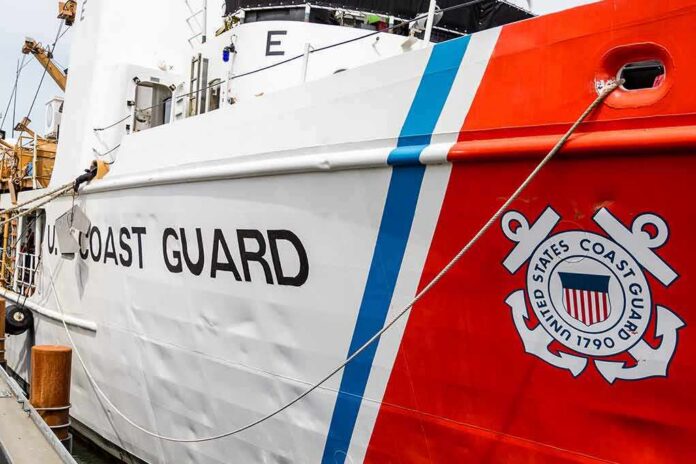
A 58-foot fishing boat grounded at Point Reyes with about 1,000 gallons of diesel on board, forcing beach closures while crews worked to prevent a spill.
Story Highlights
- Officials formed a unified command and closed parts of Point Reyes National Seashore to protect the public and wildlife.
- Responders reported no injuries, no active fuel leak, and no confirmed wildlife impacts during initial operations.
- Crews prepared to remove roughly 1,000 gallons of diesel from the vessel to reduce risk.
- Agencies followed standard ship-grounding priorities: safety, containment, and careful salvage to avoid more damage.
Grounding Triggers Swift Beach Closures and Unified Command
U.S. Coast Guard officials said a fishing vessel ran aground near North Beach at Point Reyes National Seashore on Friday morning. Leaders formed a unified command with the National Park Service to manage safety, cleanup, and salvage. Marin County Fire, federal ocean experts, and California spill responders supported the effort. Park rangers closed parts of the shoreline to keep people away while responders assessed risk and controlled access for equipment and crews.
National Fisherman reported the vessel is 58 feet long and carried around 1,000 gallons of diesel. Officials focused on stabilizing the boat and removing fuel before surf, tides, or shifting sand could make matters worse. Crews readied lines, booms, and pumps to strip fuel tanks and lighten the hull for recovery. The goal was simple: prevent a leak, safeguard wildlife, and reopen beach access as soon as it was safe to do so.
Responders Report No Injuries and No Active Leak
National Oceanic and Atmospheric Administration incident notes said the Coast Guard found the grounded vessel at daylight. Early checks reported no injuries among those involved. Responders also reported no active fuel leak and no confirmed wildlife impacts during the initial phase. That status allowed the team to plan a careful defueling and salvage timeline instead of racing a spreading slick. Officials cautioned that continued monitoring would guide next steps.
Coast Guard press materials outlined the response structure and the intent to coordinate closely with park managers and technical experts. That model, used across the country, sets clear roles for safety, communications, and environmental protection. It also helps keep red tape from slowing urgent field work. Under President Trump’s administration, the federal focus has been on decisive action, local coordination, and clear chains of command in incidents like this.
How Crews Reduce Risk in Ship Groundings
National Oceanic and Atmospheric Administration guidance explains the playbook for groundings. Teams first protect responders and the public. Next, they focus on sensitive shorelines and wildlife. They survey the hull, check stability, and plan safe removal. If fuel is on board, they try to pump it off early. Careful timing with tides and surf helps avoid new damage while freeing the vessel. This method aims to cut spill risk and shorten beach closures.
History shows this approach works best when done fast and by the book. Past cases, from fishing boats to larger ships, point to a clear lesson: the easier and safer the salvage, the lower the chance of pollution spreading. That is why responders moved quickly at Point Reyes. Removing diesel, stabilizing the hull, and managing surf conditions give the coast the best shot at a clean outcome and a prompt return to normal use.
What This Means for Locals and Visitors
Point Reyes is a beloved park with rugged surf, shifting sands, and a long record of shipwrecks. Closures frustrate families, anglers, and small businesses. But a fast, orderly response keeps a bad day from becoming a months-long mess. By closing beach access during operations, officials aimed to protect people, support the salvage team, and speed the reopening. Once defueling and removal are complete, the park can lift limits and restore normal access.
For taxpayers and coastal communities, the key takeaway is accountability through action. Agencies set a firm structure, used proven steps, and moved resources where needed. Reports of no injuries and no active leak are good news. The planned removal of about 1,000 gallons of diesel is the next critical step. If crews finish that job without a spill, the coast avoids costly cleanup and long-term harm, and the beach gets back to serving the public soon.
Sources:
nypost.com, nationalfisherman.com, response.restoration.noaa.gov, nationalparkstraveler.org, assets.publishing.service.gov.uk, fisheries.noaa.gov