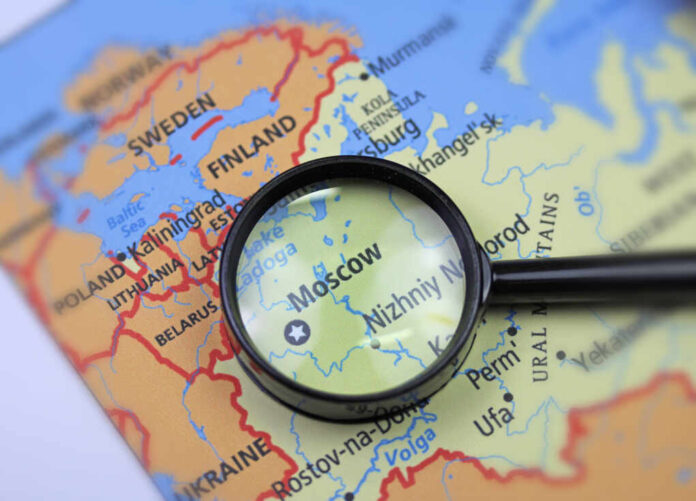
Ukrainian drone attacks inside Russia have escalated, repeatedly forcing temporary airspace shutdowns and causing significant flight delays and cancellations at major Moscow airports like Sheremetyevo and Domodedovo. Since mid-2023, these deep strikes have targeted key Russian facilities, creating a palpable psychological and economic pressure. The incursions pose a serious risk to civil aviation, prompting European regulators to advise against using Russian airspace due to the dangers of active air defenses and potential for accidental shoot-downs. This ongoing conflict is forcing innovation in drone and air defense technology, with far-reaching implications for international aviation protocols and the geopolitical landscape.
Story Highlights
- Ukrainian drones have repeatedly forced temporary airspace shutdowns at Moscow airports.
- The incidents have intensified, causing significant flight delays and cancellations.
- Russia’s air defenses are on high alert, creating heightened risks for civilian aircraft.
- European aviation authorities advise against using Russian airspace due to safety concerns.
Ukrainian Drone Strikes Disrupt Russian Airspace
Since mid-2023, Ukrainian forces have been conducting large-scale drone attacks targeting key Russian sites, including industrial and military facilities near Moscow. These incursions have forced Russian authorities to temporarily close or restrict airspace over Moscow, leading to significant flight disruptions at major airports such as Sheremetyevo and Domodedovo. The closures have caused delays and cancellations, affecting hundreds of flights and leaving passengers stranded.
Russia claims to have intercepted dozens to hundreds of Ukrainian drones in these attacks. However, Ukraine’s strategy of deep strikes aims to degrade Russian logistics and defense capabilities. Despite Russia’s efforts to downplay the impacts, the psychological and economic pressure from these drone waves is palpable.
170 flights in Moscow canceled due to Ukrainian drone swarms, with Russians sleeping in airports all over the country, as well as Egypt and other Russia friendly countries. pic.twitter.com/WbhbfGXO9H
— Jay in Kyiv (@JayinKyiv) December 11, 2025
Risk to Civil Aviation
The drone incursions pose a significant risk to civil aviation. European aviation regulators have issued advisories against using Russian airspace due to the potential for misidentification and the danger posed by active air defenses. The risk of accidental shoot-downs or debris impacts on civilian aircraft remains high, leading airlines to reroute flights to avoid these hazardous zones.
In December 2024, a passenger jet was tragically shot down near Grozny, highlighting the dangers of flying in contested airspace. This incident prompted increased scrutiny and international advisories, further isolating Russian airspace from global traffic.
Broader Implications and Global Reactions
The ongoing drone strikes and subsequent airspace disruptions have far-reaching implications. They contribute to a persistent sense of insecurity within Russia, forcing the country to invest heavily in air defense resources. Internationally, the situation has prompted airlines to adjust routes, increasing fuel costs and flight times, and putting additional economic pressure on Russia.
The drone-air defense dynamic is driving rapid innovation in drone technology and airspace management. Both Ukraine and Russia are advancing their capabilities, shaping future conflict landscapes and international aviation protocols. As these developments unfold, the geopolitical stakes continue to rise.
Watch the report: Ukrainian Drones Over Russia Trigger Airspace Shutdowns | WION
Sources:
- Ukraine unleashes overnight drone hell as all four Moscow airports close
- Drone blitz closes Moscow airports for hours as Russia claims hundreds of Ukrainian drones shot down