Prosecutors say a tree-crew operator crushed his coworker’s head with a hydraulic grapple while “f—king around,” and now he faces second-degree manslaughter.
Story Highlights
- County prosecutors charged a 34-year-old operator with second-degree manslaughter after a fatal job-site incident.
- Court records say he moved a hydraulic grapple to play with shadows before the grapple fatally closed on his coworker’s head.
- Officials describe the conduct as culpable negligence that created an unreasonable risk of death.
- Tree-care work is among the nation’s most dangerous fields, with high fatality rates that demand strict safety discipline.
Prosecutors File Second-Degree Manslaughter Charge
Dakota County Attorney Kathy Keena announced a single count of second-degree manslaughter against Christopher Boone Crimmins, 34, in the death of coworker Tyler Anthony Lynch in Apple Valley, Minnesota. The charge alleges culpable negligence that created an unreasonable risk. The county’s release says officers responded around 7 p.m. on August 20, and the complaint ties the fatal head injury to the operator’s misuse of a hydraulic grapple during the job. The filing places criminal responsibility on conduct described as careless and dangerous.
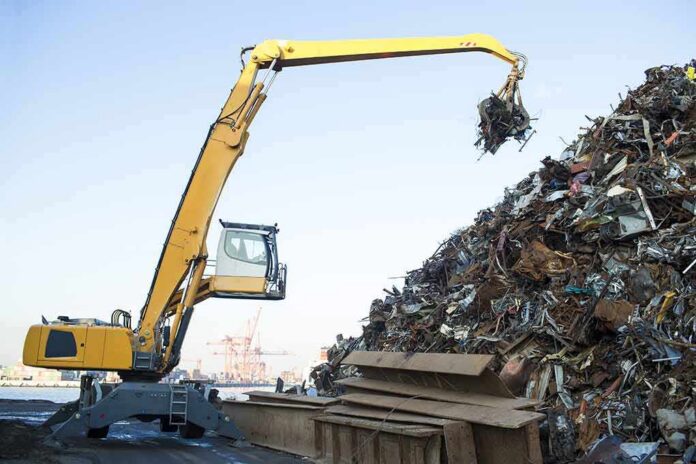
Local coverage reports that Crimmins told police he and Lynch noticed the sun casting large shadows on the street. According to those reports, he moved the grapple to make it look like the machine’s shadow was grabbing Lynch’s shadow. The complaint description says he then closed the grapple and, not realizing its real position, fatally encircled Lynch’s head. Responders pronounced Lynch dead at the scene. Reporters attribute the shadow-play account to the criminal complaint and court documents.
What “Culpable Negligence” Means In Plain Terms
Second-degree manslaughter in Minnesota covers acts that show careless disregard for life. Prosecutors argue the operator created an obvious, unreasonable risk by using heavy equipment like a toy. A hydraulic grapple is built to clamp, lift, and crush. It is not a prop. When an operator ignores basic safety and people stand close to moving steel, the margin for error disappears. That is why the state treats this conduct as a crime rather than a simple accident in this charging decision.
Officials have not alleged intent to kill, and the charge does not require it. The case instead focuses on what a reasonable operator would do with that machine. Job sites have simple rules: keep people clear, keep eyes on the load, and never move a clamp near a coworker for fun. When those rules break, lives are at risk. Prosecutors say that is exactly what happened here, and the law steps in to answer that risk with accountability.
Deadly Industry Demands Serious Safety, Not Horseplay
Federal workplace safety officials have flagged tree trimming and clearing as high risk for years. The Occupational Safety and Health Administration created a regional emphasis program because strikes, falls, and equipment hazards keep killing workers. The industry posts high fatality rates, and many deaths involve contact with objects and equipment. In this setting, even a brief lapse can turn fatal in seconds. Safety culture must be strict every minute, not relaxed for a prank or a laugh.
Conservative readers know this truth from farms, shops, and job sites across America: heavy gear demands focus and respect. Families send loved ones to work, not to a circus. When regulators and employers set clear rules, and operators follow them, lives are saved. When someone treats a grapple like a toy, tragedy follows. This case shows why personal responsibility on the job is not a slogan. It is the first line of defense against a funeral.
The Road Ahead: Court Process And Community Impact
Crimmins faces a criminal process that will test the facts in court. A charge is an allegation, and he is presumed innocent unless the state proves the case. Still, the complaint and public reports paint a stark picture of risky conduct near a coworker that ended in death. The community will look for answers that honor the victim and reinforce standards that protect every crew member who works inches from danger each day.
President Trump’s administration backs law and order and safe jobs that respect workers and families. That starts with clear rules and real accountability when lines are crossed. No federal mandate can replace common sense on a crew. Leaders can set expectations, but operators must live them. The lesson here is not politics. It is simple: do the job the right way, every time. A single reckless moment with heavy equipment can take a life and ruin many others.
Sources:
fox9.com, twincities.com, youtube.com