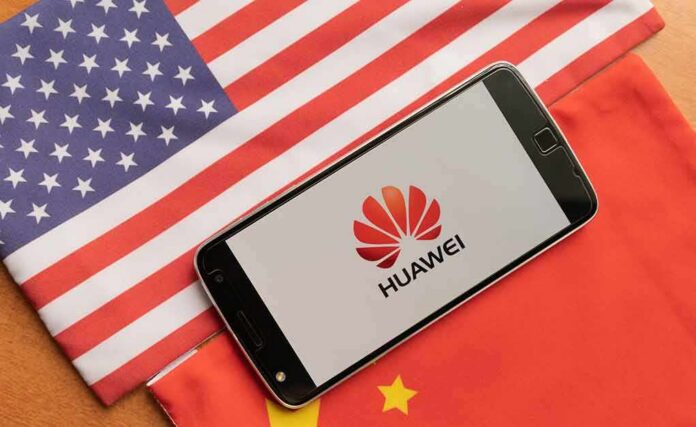
Prosecutors say Huawei ran a 20-year criminal enterprise to steal American technology and deceive banks, and a federal judge has let the case move forward.
Story Highlights
- Justice Department alleges a decades-long scheme to steal U.S. trade secrets and violate racketeering law.
- Judge Ann Donnelly ruled the charges are strong enough to proceed to trial in Brooklyn.
- Prosecutors told jurors Huawei fostered a “culture of crime” reaching top leadership.
- Huawei’s finance chief admitted lying to a bank about Iran-related business in a 2021 statement of facts.
Prosecutors Outline Racketeering Case Built On Trade Secrets And Fraud
United States prosecutors charged Huawei with conspiracy to violate the Racketeer Influenced and Corrupt Organizations Act and conspiracy to steal trade secrets. Officials said the scheme used fraud and deception to take advanced technology from American companies and reinvest the gains to grow globally. The original 2019 charges also listed bank fraud, wire fraud, sanctions violations, money laundering, and obstruction tied to Huawei, its affiliates, and executive Meng Wanzhou. Together, the filings describe conduct dating back more than two decades.
Opening statements in Brooklyn placed the timeline “since at least” about 2000, with repeated misappropriation from multiple victims. Prosecutors said the pattern was not a few bad actors, but an organized effort to boost Huawei’s brand and market share at the expense of U.S. firms. This frame matters, because racketeering requires a continuing pattern, not a one-off dispute. Reporters in the courtroom quoted a government lawyer saying Huawei fostered a “culture of crime” for twenty years.
Judge Allows Case To Proceed; Jury Hears About Bank Deception
Federal Judge Ann Donnelly rejected Huawei’s bid to toss most charges. Her ruling said the indictment supports claims the company joined a racketeering enterprise, misappropriated trade secrets from several companies, and deceived banks. The court’s decision cleared the way for a full trial on the merits, with evidence and witnesses to test each charge. Prosecutors also plan to use Meng Wanzhou’s 2021 statement of facts, which acknowledged lying to a financial institution about Iran-related compliance.
That bank deception claim ties to sanctions and export control risk that U.S. banks must manage. When executives hide ties between affiliates and restricted markets, banks can process transactions they would have blocked. Prosecutors argue those lies exposed the U.S. financial system and helped Huawei keep money moving. The judge’s June 2026 ruling allows jurors to consider Meng’s admissions against the company at trial, raising stakes for the defense.
Defense Says Success Came From Innovation, Not Theft
Huawei’s lawyers told jurors the company won by competing and innovating. Counsel said there was “no blueprint for crime,” and described the case as government overreach built on old civil disputes, not proof of a criminal enterprise. The defense position challenges the racketeering theory most of all. If jurors see isolated disagreements or resolved lawsuits, the pattern needed for racketeering weakens. That clash will define how the jury reads years of internal emails and technical evidence.
The government’s narrative still remains an allegation until a verdict. A jury has not ruled on the racketeering claim. But the record now includes a green light from the court, a clear timeline from prosecutors, and an admission from Huawei’s finance chief about lying to a bank. Conservative readers should track this closely. If the jury confirms a long-running scheme, it would mark one of the most serious corporate crimes by a major foreign tech firm operating in U.S. markets.
Why This Matters For American Security, Jobs, And Rule Of Law
Trade-secret theft costs American companies revenue, jobs, and future innovation. When a foreign firm cuts corners and taps the U.S. banking system while hiding risk, it undercuts honest competitors and endangers our financial networks. President Trump’s administration has signaled that law and order includes protecting intellectual property and enforcing sanctions. A strong verdict would warn every multinational that cheating to win in our market will face real consequences, not wrist slaps.
What Comes Next In The Brooklyn Courtroom
The trial will turn on insider testimony, technical comparisons, and banking records. Prosecutors must link specific thefts and lies into a single enterprise over many years. Defense lawyers will try to pick those links apart and cast episodes as one-off mistakes or routine business disputes. Jurors will weigh credibility and documents. However this ends, the message is clear: America will not ignore crimes that target our workers, our banks, and our national security edge.
Sources:
zerohedge.com, justice.gov, apnews.com, reuters.com, law360.com, courthousenews.com