Trump’s ticking ceasefire deadline has turned Middle East diplomacy into a high-stakes race to prevent “massive” U.S.-Israeli strikes on Iran’s infrastructure.
Story Snapshot
- Mediators are pressing Washington and Tehran to accept a two-phased 45-day ceasefire proposal as Trump’s extended Tuesday deadline approaches.
- The White House has signaled strikes are ready if Iran refuses terms, while Iran has not agreed and disputes Trump’s characterization of its posture.
- The Strait of Hormuz remains a central pressure point, with Trump linking any ceasefire to reopening the vital shipping lane.
- Regional brokers—especially Pakistan—have worked multiple channels, but reporting suggests talks have repeatedly stalled over conditions and credibility.
Deadline Diplomacy: A Ceasefire Proposal Under a Clock
President Donald Trump extended his self-imposed deadline by roughly 20 hours into Tuesday as mediators pushed a two-phased, 45-day ceasefire framework intended to pause fighting and open a path toward a longer-term end to the conflict. Reporting described the offer as a “last push,” with U.S. and Israeli strike planning presented as the alternative. Iran, according to the same reporting, has not accepted the proposals as the window narrows.
Trump’s posture blends negotiation and coercion: offer time-limited terms, then threaten escalation if they are rejected. That approach appeals to voters who want adversaries confronted rather than endlessly appeased, but it also raises the cost of failure because deadlines can create momentum toward conflict. With both sides operating in public and through intermediaries, the practical question is whether any pause can be verified and sustained long enough to reduce—not merely postpone—the next round.
How the War Got Here: From the 2025 “Twelve-Day War” to Week Six
The current crisis builds on a recent precedent. A U.S.-Qatar mediated ceasefire ended the 2025 “Twelve-Day War” after U.S. strikes on Iranian nuclear facilities and Iran’s missile response against Al Udeid Air Base in Qatar. The ceasefire held long enough to become a reference point, but fighting later resumed, and by early April 2026 the war had entered its sixth week, with reports of fresh U.S. strikes such as an attack on a bridge in Karaj.
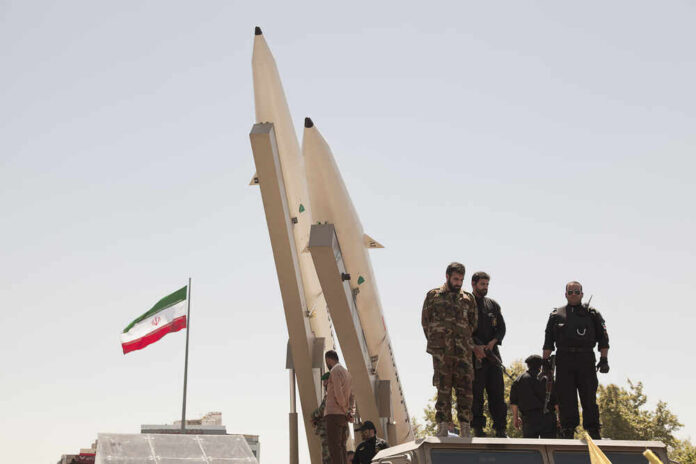
Iran’s leverage has also shifted from symbolism to global economics. Tehran’s actions affecting the Strait of Hormuz—an artery for global energy and commercial shipping—have been reported as a central factor driving U.S. preconditions for any ceasefire. For Americans, that matters because disruptions in oil transport tend to show up quickly in household budgets through higher gasoline and shipping costs. In practical terms, the Strait has become both a battlefield tool and a bargaining chip.
Mediators, Mistrust, and Competing Conditions
Multiple regional states have been described as trying to broker an off-ramp, including Qatar, Pakistan, Saudi Arabia, Oman, and Turkey. Reporting has highlighted Pakistan’s push for an “Islamabad Accord,” with persistent contact between Islamabad and the White House and outreach to other regional capitals. At the same time, other accounts describe negotiations hitting a “dead end,” including complications tied to who will serve as the primary mediator and what each side must do first.
The central disagreement is sequencing. Trump has publicly tied a ceasefire to reopening the Strait, while Iranian messaging has signaled it will not accept terms framed as unilateral surrender and has suggested fighting stops only if the other side stops first. That mismatch is not just rhetorical; it shapes whether a 45-day pause becomes a real de-escalation or simply an operational reset. With strikes reportedly ready, each delay increases pressure on leaders to prove they were not “played.”
What’s at Stake: Infrastructure, Markets, and the Limits of “Final Warnings”
Reporting around the deadline has repeatedly pointed to potential strikes on Iranian infrastructure, including energy-related targets, if talks collapse. That prospect raises humanitarian and strategic concerns at once: infrastructure damage can punish regimes, but it can also cascade into civilian hardship and long-term instability. For conservatives skeptical of open-ended wars, the key issue is whether any escalation is tied to a defined objective—like securing shipping lanes—rather than another indefinite mission.
Information gaps remain. Public reporting has not fully detailed the terms of the 15-point plan attributed to the U.S. side or the verification mechanics for a two-phased ceasefire, making it difficult to judge durability. Another uncertainty is narrative credibility: Trump’s claims about Iran “begging” for a deal have been challenged by Iranian statements, underscoring how propaganda and domestic politics can complicate diplomacy. Still, Tuesday’s deadline forces a near-term choice: pause under terms, or risk a wider strike cycle.
For Americans watching from home, the broader lesson is familiar: when Washington sets hard deadlines abroad, the follow-through becomes a test of national credibility. Republicans controlling Congress may give Trump more room to act quickly, while Democrats are positioned to criticize either outcome—calling a deal too soft or escalation too reckless. The shared public frustration, left and right, is that too many decisions feel driven by optics and career incentives rather than clear, measurable national interests.
Sources:
Regional effort to broker ceasefire between US and Iran reportedly hits dead end
Iran, Donald Trump, ceasefire, Strait of Hormuz
The Latest: Trump insists Iran is “begging” to make a deal after Tehran dismisses ceasefire plan