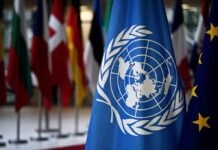

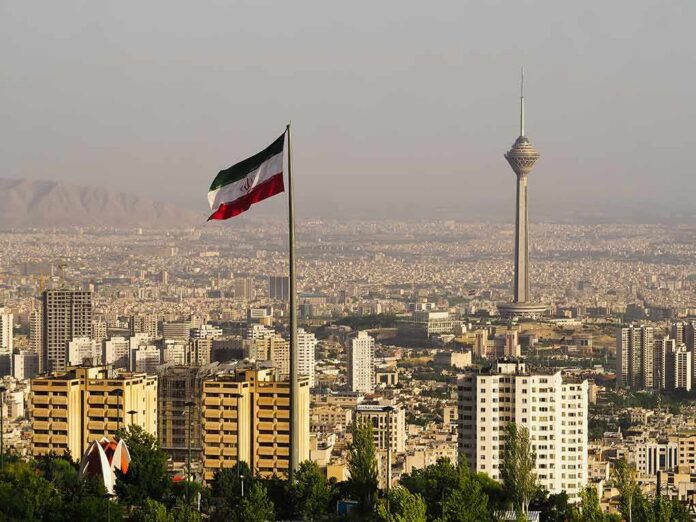
In a secret-ballot vote, the United Nations re-elected Iran to a committee that helps shape the organization’s priorities with 144 votes, despite loud opposition from Western allies and U.S. lawmakers.
Story Highlights
- The United Nations General Assembly gave Iran 144 votes in a secret ballot.
- The seat is on a 34-member Committee for Programme and Coordination for a three-year term starting in 2027.
- Canada and others publicly opposed the move, citing repression and regional destabilization.
- House Republicans blasted the decision as proof the United Nations is “morally bankrupt”.
What The United Nations Decided And How The Vote Worked
The United Nations General Assembly held a secret-ballot election and re-elected Iran to the Committee for Programme and Coordination with 144 votes, according to published tallies from the session. The committee is a 34-member body elected for three-year terms, and reports say Iran’s new term begins on January 1, 2027. The process followed the nomination path through the United Nations Economic and Social Council before the Assembly vote, which is the standard route for membership on this committee.
The voting was secret, so most countries’ choices were not disclosed, leaving only the final count public. Reports do not show how many total ballots were cast, or how many states abstained, which limits a full read on turnout and margins. Sources also do not clarify if Iran faced a contested ballot or was part of a regional slate, a common feature in United Nations elections. Those gaps do not change the reported outcome but do narrow what can be confirmed about the competition for the seat.
What This Committee Actually Does Inside The United Nations
The Committee for Programme and Coordination reviews United Nations programs and helps align organizational priorities across the system, serving as a planning and coordination arm for the General Assembly and the Economic and Social Council. The United Nations records reaffirm the committee’s role in verifying that activities match approved mandates and in coordinating program planning across departments. While some coverage links its work to areas like disarmament, women’s rights, and counterterrorism, the body’s core function is program oversight, not courtroom-style rulings.
United Nations guidance explains that membership is based on nominations by the Economic and Social Council and elections by the General Assembly with geographic distribution in mind. That framework helps regional groups share seats and often leads to outcomes that reflect diplomacy and bargaining. Critics argue this can put states with poor rights records into influential posts. Supporters say the election rules focus on representation and process, not political tests that many members would reject.
Why The Decision Drew Fierce Pushback From Allies And Congress
Canada’s foreign minister said her government voted against Iran and called the regime a force for repression at home and instability abroad. She also told the United Nations in September that Iran is the principal threat to peace and security in its region, underscoring Canada’s public case against Tehran’s seat on a committee that helps shape United Nations work. Media reports also cite Australian opposition, linking it to human-rights concerns and regional destabilization by Iran.
You can’t make this up.
The UN General Assembly just elected the Islamic Republic of Iran to its Committee for Programme and Coordination. This body reviews the UN’s work plans and budget priorities — including human rights, women’s rights, disarmament and counter-terrorism.… pic.twitter.com/0QcLpcT0BZ— Sofia Afonso Ferreira (@sofiafonsoferre) November 13, 2026
Republicans on the United States House Foreign Affairs Committee called Iran the world’s biggest exporter of terrorism and labeled the United Nations “morally bankrupt” for re-electing Tehran to a body tied to setting priorities across areas that include disarmament, counterterrorism, and women’s rights. Their message echoes a long-running conservative view: global bodies too often reward bad actors while ignoring victims. That concern now lands on an election result that will stand for the next three years unless member states change the rules.
What It Means For U.S. Interests And How To Respond
The vote highlights a core reality at the United Nations: elections measure diplomatic math, not moral merit. Iran’s seat gives it a voice in program planning debates, even as many democracies condemn its conduct. For the United States, the path forward runs through clear goals. American diplomats can push transparency by urging more open ballots, press for higher suitability standards in future slates, and build coalitions that block problem candidates before votes occur.
Conservatives want an international system that values freedom, security, and truth. This episode shows why vigilance matters. The administration can back congressional oversight, publish vote positions when possible, and rally partners to set firm guardrails on committee roles. When the United Nations drifts from its charter, America should lead efforts to correct course. Strength, clarity, and honest accounting are the tools to defend our interests and our allies while keeping faith with American values.
Sources:
facebook.com, en.imam-khomeini.ir, iranwire.com, openparliament.ca, iranintl.com, mandates.un.org, un.org