
Italy’s foreign minister says pro-Russian hackers posted his personal data on the dark web and are hunting his family’s details for cash.
Story Highlights
- Antonio Tajani says cybercriminals spread his data and sought more on his family.
- Prime Minister Giorgia Meloni blamed pro-Russian hackers and backed Tajani.
- Screenshots reportedly listed Tajani among 18 people “hostile to Russia.”
- Italian authorities opened an investigation into the targeting campaign.
Italian Officials Report Dark-Web Targeting Of Foreign Minister
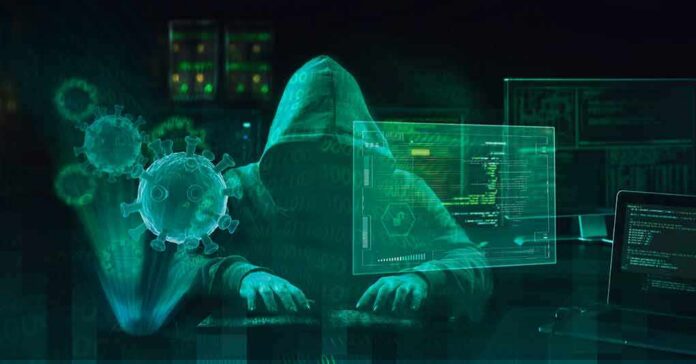
Italian Foreign Minister Antonio Tajani said cybercriminals posted his personal data on the dark web and offered money for more information about him and his family. He warned that the leak exposes him to new threats and intimidation. Prime Minister Giorgia Meloni said the hackers were pro-Russian and voiced full support for Tajani after the disclosure. Public reporting stated that investigators in Rome opened a case to examine the campaign and trace those responsible.
Reuters reported that screenshots showed Tajani’s image on a page listing 18 people called “citizens hostile to the Russian Federation.” The page allegedly asked for passwords, addresses, and other details, suggesting a planned effort to dox and harass targets. The material was reportedly found in a Tor-accessible area during monitoring by cybersecurity authorities. Officials said the attack likely linked to Italy’s strong support for Ukraine in its war with Russia, which has angered pro-Kremlin groups.
Reported Methods Match A Known Intimidation Playbook
Reporting in Italy described the effort as a politically driven intimidation campaign. The page offered payment for more of Tajani’s private data, which matches common doxing tactics used to scare public figures and pressure governments. Italian media tied the activity to a pro-Russian hacktivist brand often cited for targeting European officials who back Ukraine. That brand has relied on public shaming, data exposure, and calls for crowdsourced tips to expand harassment beyond a single breach or system hit.
Several outlets noted that Tajani did not name a specific group in his own statement. Technical indicators have not been released publicly. That gap does not change what is already established: a listing appeared on the dark web, Tajani’s data was posted, and a bounty-like appeal sought more. Authorities in Rome and national cyber units reportedly continued to investigate the incident and any overlap with other targeted officials, including potential shared infrastructure or operators between cases.
Why This Matters For America’s Security Mindset
Hostile actors use doxing and dark-web postings to intimidate elected leaders and shape policy debates without firing a shot. They try to silence speech, cloud public discussion, and weaken resolve. This threatens the norms that free societies rely on, from an open press to secure elections. American readers know this pattern. Foreign and domestic extremists have used similar tactics against judges, police, school boards, and energy firms. Families get dragged in, which is the point—pressure the person by endangering loved ones.
Italian Foreign Minister Antonio Tajani says hackers published his personal data online, and Prime Minister Giorgia Meloni has blamed pro-Russian hackers, according to Reuters and the BBC. Tajani says the leak exposed him to threats and intimidation, and Reuters reports he says… pic.twitter.com/zQKecVKHdh
— Hemera News (@hemeranews) November 8, 2026
Conservatives value law, order, and strong borders—physical and digital. This episode shows why nations must harden systems, punish doxing, and back allies who face hybrid attacks. Strong deterrence pairs cyber defenses with real costs for those who aid or direct these campaigns. Clear rules, rapid attribution by competent authorities, and joint action with partners help stop the cycle of exposure and fear. That approach protects free speech, family privacy, and the duty of public service from mob rule online.
What To Watch Next As Investigators Press Forward
Italian prosecutors and cyber units can clarify what was exposed, how it was sourced, and who is behind the page. Key facts include the exact fields leaked, any stolen credentials, and whether the data came from a fresh compromise or from scraping and past breaches. Investigators can also map the network that published and amplified the listing. That includes page identifiers, timestamps, payment channels, and whether other listed targets were hit by the same operators or copycats.
Law enforcement results will matter. A formal finding and charges would raise costs for anyone who funds or repeats the scheme. Transparent summaries—redacted for safety—can warn other officials and help families lock down their digital lives. Governments should keep training leaders on basic cyber hygiene, including password managers, multifactor logins, and rapid takedown paths for doxed material. These steps do not stop every attack, but they blunt the damage and deny adversaries an easy win.
Sources:
reuters.com, apnews.com, bbc.com, rmb.reuters.com, inquisitr.com, aljazeera.com