
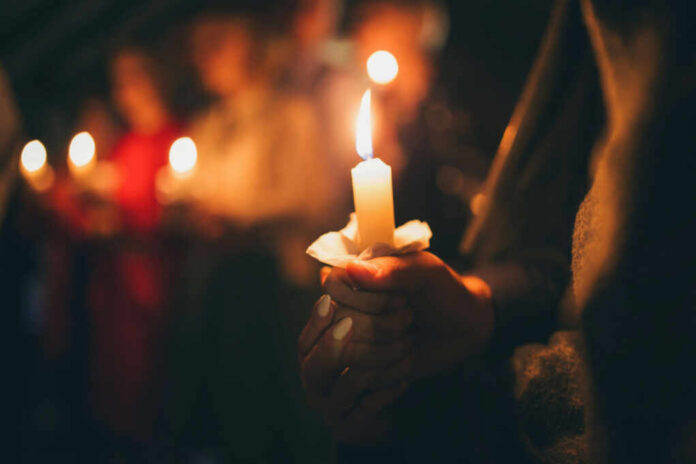
A violent clash erupted in a New York City park as Iranian regime supporters gathered to honor the recently assassinated Ayatollah Khamenei, a dictator whose security forces massacred thousands of peaceful protesters just weeks before his death.
Story Snapshot
- Physical altercations broke out between pro-Khamenei vigil attendees and counter-protesters in a NYC park following the February 28, 2026 assassination of Iran’s Supreme Leader
- Khamenei’s regime killed between 3,000 and 36,000 Iranian protesters in January 2026, raising questions about why anyone would publicly mourn him on American soil
- The Supreme Leader was eliminated in a joint U.S.-Israeli military operation, with President Trump calling it “justice for the people of Iran”
- Iranian diaspora communities remain deeply divided between regime loyalists and freedom-seeking exiles who celebrate the end of decades of repression
Confrontation Follows Dictator’s Death
A vigil organized by supporters of Iran’s Islamic Republic in a New York City park descended into physical violence as counter-demonstrators confronted those mourning Ayatollah Ali Khamenei. The clash represents the sharp division within the Iranian diaspora following the Supreme Leader’s assassination on February 28, 2026, during Israeli airstrikes near Tehran. Iranian state media confirmed Khamenei’s death on March 1, announcing 40 days of national mourning and seven days of public holidays. The vigil organizers sought to portray Khamenei as a martyr, while opposition activists view any public commemoration as glorifying a mass murderer.
Fists Fly in NYC Park As Sickos Hold Vigil for the Murderous, Dead Ayatollah Khameneihttps://t.co/kSSZSqCYHA
— RedState (@RedState) March 7, 2026
Butcher’s Bloody Legacy Sparks Outrage
Khamenei’s decades-long rule was marked by systematic brutality against his own people, culminating in the January 2026 massacre of peaceful protesters. Security forces acting under his direct orders killed thousands of Iranians demonstrating against the regime, with death toll estimates ranging from over 3,000 according to official figures to more than 36,000 according to independent media. On January 17, 2026, Khamenei himself publicly acknowledged that “several thousand” had died, though he blamed foreign enemies rather than accepting responsibility. The Supreme Leader held Iran’s highest authority since 1989, wielding control over the armed forces, judiciary, and security apparatus used to crush dissent and execute political opponents.
Trump Administration Delivers Justice
The joint U.S.-Israeli operation that eliminated Khamenei represents a significant shift in American willingness to hold terror-sponsoring dictators accountable. President Trump, who had previously vetoed an Israeli assassination plan during the June 2025 Twelve-Day War, authorized intelligence and operational support for the February 28 strikes. Trump publicly characterized the assassination as “justice for the people of Iran,” acknowledging America’s role in removing a tyrant whose regime exported terrorism throughout the Middle East. The operation also killed several of Khamenei’s family members and senior commanders at his Tehran compound, dealing a severe blow to the Islamic Revolutionary Guard Corps leadership structure.
Diaspora Division Plays Out on American Streets
The New York park confrontation mirrors a broader pattern of Middle Eastern political conflicts transplanting themselves into Western cities. Iranian diaspora communities have historically mobilized quickly following major regime-related events, from the 2020 Qasem Soleimani killing to the Mahsa Amini protests. Anti-regime Iranians, many aligned with the “Women, Life, Freedom” movement, view public mourning of Khamenei as an insult to the thousands murdered by his security forces. These freedom-seeking exiles frequently outnumber pro-regime sympathizers but face organized opposition from groups with ties to religious centers and consular structures. The physical violence underscores how radical Islamist ideology continues to threaten public order even in American cities, raising concerns about whether such extremist commemorations should be tolerated when they honor dictators responsible for mass atrocities against civilians seeking basic human rights.
Sources:
Iran Death of Ayatollah Khamenei – Office Holidays