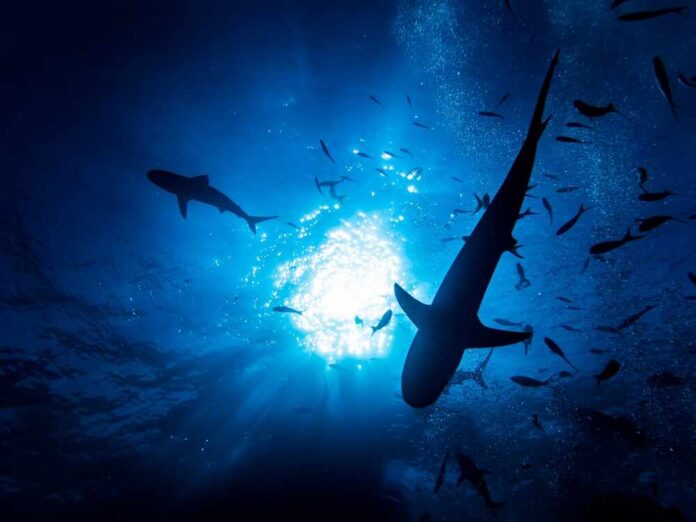
Sharks in the Bahamas’ pristine waters are testing positive for cocaine, caffeine, and painkillers, exposing how unchecked tourism and human waste are poisoning America’s favorite vacation paradise and threatening family getaways.
Story Highlights
- Marine biologists detected drugs in 28 of 85 sharks near Eleuthera Island, including first-ever caffeine in sharks worldwide.
- Cocaine found in Bahamian sharks for the first time, likely from discarded packets or sewage, even in a baby lemon shark.
- Contaminated sharks show metabolic changes linked to stress, raising alarms for marine ecosystems and tourist safety.
- Experts blame urbanization, tourism sewage, and poor waste management for infiltrating “paradise” waters with everyday pollutants.
Drug-Tainted Sharks Off Eleuthera Island
Researchers analyzed blood from 85 sharks of five species captured near Eleuthera Island in the Bahamas, 4 miles offshore by an inactive fish farm and nursery creek. Testing for 24 legal and illegal drugs revealed positives in 28 sharks. Caffeine appeared most frequently, marking its global debut in shark blood. Over-the-counter painkillers acetaminophen and diclofenac also showed up, alongside cocaine. This peer-reviewed study published May 1, 2026, in Environmental Pollution highlights recent exposure through blood analysis, unlike prior tissue studies.
Human Habits Polluting Pristine Paradise
Tourism-driven wastewater, sewage discharge, and direct pollution from divers and boats carry contaminants into Bahamian waters. Eleuthera, known for diving spots, sees currents transport island sewage offshore. A baby lemon shark tested positive for cocaine, possibly after biting a residue-covered packet spotted nearby. Lead author Natascha Wosnick, zoologist at Federal University of Paraná, stresses legal drugs like caffeine demand scrutiny over sensational cocaine. She urges reassessing normalized habits to protect ocean health, prioritizing population stability over shark aggression myths.
Metabolic Shifts Signal Broader Risks
Contaminated sharks exhibited altered metabolic markers tied to stress and energy use, per University of Florida oceanographer Tracy Fanara. These changes suggest potential behavioral shifts in feeding, movement, or risk response, though causality remains unclear. Long-term effects on shark populations and marine food webs are unknown, but risks extend to biodiversity and human health through seafood or recreation. The study contrasts with a 2024 Brazil case where all 13 Rio sharks had high cocaine in tissues, showing varying exposure levels.
Bahamian tourism faces indirect threats as pollution awareness grows, pressuring better wastewater infrastructure without quantified economic hits yet. This mirrors plastic pollution debates, spotlighting personal responsibility over government overreach.
Lessons for Conservative Values
America First means protecting natural treasures like Bahamian reefs from self-inflicted damage by tourists and developers. High energy costs at home already strain families; now, polluted vacation spots erode hard-earned escapes. Limited government favors local waste fixes over globalist regulations, preserving individual liberty to enjoy creation without Big Brother mandates. More research needed on health impacts, but facts demand common-sense action: curb waste, safeguard seas for future generations upholding family values.
Even amid 2026’s Iran war tensions hiking fuel prices, this reminds us endless foreign entanglements distract from domestic priorities like clean oceans. MAGA frustration with unkept no-new-wars promises echoes here—focus inward on real threats to American joys.
Sources:
CBS News: Cocaine, caffeine, painkillers detected in sharks from The Bahamas
Science News: Sharks in the Bahamas test positive for caffeine, painkillers and cocaine
ScienceAlert: Sharks Are Testing Positive for Cocaine and Caffeine in the Bahamas
Vice: Sharks in the Bahamas Are Full of Cocaine, Caffeine, and Painkillers