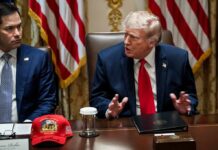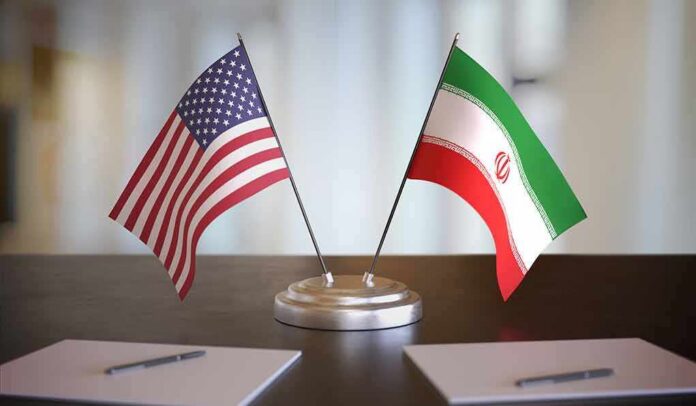
A new US‑Iran deal risks putting control of a key global oil chokepoint and billions in Iranian assets ahead of firm security guarantees for America and its allies.
Story Snapshot
- The 14-point US–Iran memorandum promises an immediate, permanent ceasefire and reopening of the Strait of Hormuz.
- Washington pledges to make frozen Iranian funds fully available once the deal is implemented, raising big questions over leverage.
- Talks in Doha ended without a final deal, exposing deep gaps over Strait of Hormuz control and nuclear limits.
- Conflicting public statements from Tehran and Western media coverage fuel confusion about who is really driving the process.
Trump’s Hormuz Deal: Big Promises, Big Risks
The Trump administration’s 14-point memorandum of understanding with Iran is sold as a way to stop a dangerous war and reopen the Strait of Hormuz. The text promises an “immediate and permanent” end to military operations on all fronts, including Lebanon, once it is signed. It also lays out steps to reopen shipping lanes through the strait, a vital route for global oil. For many conservatives, ending attacks and restoring energy flows are welcome goals, but the fine print matters.
Key parts of the deal go beyond basic ceasefire terms and move into economic and strategic territory that could weaken US leverage if not handled carefully. The memorandum links reopening Hormuz, lifting the American naval blockade, easing sanctions, and launching a 60-day window for deeper talks on Iran’s nuclear program. The structure looks like an interim peace package, not a final binding treaty. Many long-term questions, especially about Iran’s nuclear stockpile and missile program, are pushed down the road, which can worry readers who remember past unfinished deals.
Frozen Assets and Sanctions Relief: Who Gets What, When
One of the most controversial points is Article 11, which promises that frozen or restricted Iranian funds will be made “fully available for use” once the memorandum is implemented. The clause says the United States and Iran will mutually agree on procedures for releasing these funds, and that the United States will issue all needed licenses and authorizations. Separate reporting describes tens of billions of dollars in frozen Iranian oil revenues on the table, with Iran’s central bank governor joining talks to secure access.
Supporters argue that unlocking money is a key incentive for Iran to keep the peace and reopen Hormuz. Critics counter that front-loading major economic benefits before a real, verifiable nuclear rollback repeats the mistakes of past arrangements. Iran still holds over 400 kilograms of uranium enriched to 60 percent purity, according to international inspectors, which is far beyond civilian needs and close to weapons-grade. If cash and oil waivers flow while that stockpile remains, many conservatives will see it as rewarding bad behavior instead of enforcing firm red lines.
Strait of Hormuz Control: Free Passage or Iranian Gatekeeper?
The memorandum’s promise to reopen the Strait of Hormuz touches a core concern: who controls the world’s energy lifeline. Drafts and analysis say Iran would de-mine the strait and guarantee safe passage, while the United States would lift its naval blockade and remove obstacles within about 30 days. During a 60-day negotiating window, maritime restrictions from both sides would be eased, with traffic meant to return to pre-war levels. This sounds good for oil prices and shipping, but there is room for clashing interpretations.
Experts point out that broad language on Hormuz has already led to disputes over how much authority Iran claims over traffic during that window. Tehran has a history of using the strait as leverage, from drills and temporary closures to harassment of vessels. If Iran sees the memorandum as giving it new regulatory power while American forces pull back, it could tilt control of a critical lane away from the US Navy and its allies. For conservatives who value strong defense and stable energy supply, any deal that blurs that control must be watched closely and verified with hard shipping data.
Doha Talks: Indirect Meetings, Mixed Messages, No Final Deal
The technical talks in Doha were supposed to turn the memorandum’s promises into action, especially on Hormuz and the frozen funds. Reports say American and Iranian teams met through mediators, with Qatar and Pakistan helping shuttle messages on asset release and maritime security. Qatar’s foreign ministry and regional outlets described “positive progress” but stressed that the process was still indirect, with no direct high-level meeting between US and Iranian officials. That structure itself shows how fragile trust remains after decades of conflict.
Media coverage added another layer of confusion for viewers back home. Some reports highlighted US claims that talks were moving forward and that a path to a broader agreement was near. Others focused on Iranian denials of formal meetings and warnings that Washington had not yet delivered on key pledges like asset release and full sanctions relief. The Doha round ended without a final peace deal or clear timeline for the next steps on Hormuz, nuclear limits, or missiles. For a public already skeptical of globalist deals and mixed messaging, that gap feeds doubts about where this process is heading.
What Conservative Readers Should Watch Next
Going forward, several fault lines will matter for Americans who care about national strength, energy security, and constitutional limits on unchecked international commitments. First, whether shipping through the Strait of Hormuz truly returns to pre-war levels without Iran gaining lasting gatekeeper power. Second, whether any release of frozen assets is tied to strict, verified steps that roll back Iran’s nuclear program and curb its support for regional militias, rather than front-loaded windfalls. Third, how clearly the administration explains the deal at home, where past “conflicting narratives” have already eroded trust.
Independent audits of frozen funds, transparent logs from the new coordination mechanisms, and hard data on vessel traffic would all help show whether promises on paper match reality. For now, the Hormuz memorandum sits in the gray zone between war and peace: a chance to lower tensions, but also a test of whether Washington can make peace without giving away the store. Readers who value strong borders, affordable energy, and a hard line on hostile regimes will want to keep a close, informed eye on every next step.
Sources:
insiderpaper.com, arabcenterdc.org, cnn.com, bbc.com, perryworldhouse.upenn.edu, time.com, youtube.com, facebook.com, stimson.org, brookings.edu