A joint counter-terrorism operation in Syria turned deadly on December 13, 2025, when a Syrian security force member, who had been flagged for extremist views, opened fire on American troops. The insider attack in Palmyra killed two U.S. soldiers and a civilian interpreter, wounding several U.S. and Syrian personnel. The incident has exposed serious vetting failures within the new Syrian security forces and tested the fragile post-Assad alliance, prompting President Trump to vow “very serious retaliation” against what he framed as an ISIS strike. Conflicting narratives from Washington and Damascus regarding the attacker’s affiliation and the security situation highlight the deep mistrust in this volatile cooperation.
Story Highlights
- Syrian Interior Ministry confirms the attacker was their own security personnel, employed over 10 months and transferred to Palmyra, with dismissal planned for the day after the attack due to extremist Islamist ideas.
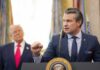
- President Trump vows “very serious retaliation” against what he calls an ISIS attack in a dangerous part of Syria, while wounded U.S. troops are reported doing well.
- Joint U.S.-Syrian engagement in Palmyra turned deadly, exposing risks in the new partnership after Assad’s ouster and Syria’s recent entry into the U.S.-led anti-ISIS coalition.
- Syrian authorities arrested 11 general security members for questioning and launched operations against ISIS cells in Homs province.
Details of the Deadly Attack
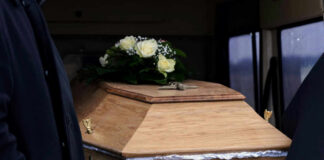
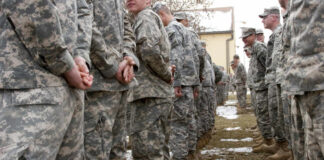
On December 13, 2025, U.S. forces arrived from Al-Tanf base, visited Palmyra city and T-4 airbase, then met Syrian officers at a Palmyra base. A Syrian security member opened fire, killing two U.S. soldiers and one civilian interpreter. Three U.S. troops and at least two Syrian personnel suffered wounds. The attacker died in the exchange. This insider threat occurred amid joint counter-terrorism efforts in Homs province deserts, long an ISIS hideout. President Trump’s leadership now faces testing in this volatile alliance.
The attacker in Palmyra turned out to be an internal security officer appointed by the Damascus regime.
Your ally, the terrorist regime, protected you with a terrorist! pic.twitter.com/AEl8zXajiZ— Muzaffer Baran (@_____Baran__) December 13, 2025
Attacker’s Background and Vetting Failures
The gunman served in Syrian security forces for more than 10 months, posted across cities before Palmyra. Internal security flagged him for extremist Islamist ideas, scheduling dismissal for December 14. Syrian Interior Ministry spokesman Noureddine al-Baba confirmed prior warnings to allied desert forces about potential ISIS infiltration. Yet the extremist struck during the meeting. This reveals vetting gaps in Syria’s post-Assad forces, inherited from old structures and rebels. Conservatives rightly question trusting partners with such internal threats to American lives.
Conflicting Narratives from U.S. and Syria
Syria labels it a terrorist attack by their own slated-for-firing extremist, arresting 11 security members. U.S. officials call the assailant an ISIS militant, with Pentagon noting the site as outside Syrian presidential control. President Trump frames it as an ISIS strike against both nations. U.S. envoy Tom Barrack insists it bolsters strategy: enabling Syrian partners with limited U.S. support to hunt ISIS. Differing accounts on control and warnings highlight mistrust in this fragile post-Assad cooperation, demanding caution to protect U.S. troops.
Syrian state TV reported operations against ISIS cells in Homs post-attack. Ahmed al-Sharaa’s Islamist-led government, after overthrowing Assad in December 2024 and joining the anti-ISIS coalition in November 2025, now proves its reliability—or lack thereof. Trump’s resolve signals America First strength, prioritizing troop safety over risky globalist entanglements.
Broader Implications for U.S. Policy
This marks the first major insider attack since Syria’s regime change, echoing green-on-blue risks from past wars like Afghanistan. Palmyra, once ISIS-held, remains perilous. Trump’s vow of retaliation deters terrorists, contrasting weak prior policies that left troops exposed. Relying on “capable partners” risks repeats if vetting fails. Americans demand pulling back from endless foreign ventures, focusing resources home against inflation and border threats from mismanaged globalism.
Watch the report: Attacker who killed US troops in Syria was a recent recruit to security forces, official says
Sources:
- Palmyra gunman who killed Americans was to be fired from Syrian security forces for ‘extremism’ – TRT World
- Syrian Who Killed Americans was Part of Security Forces