Trump’s 2026 counterterrorism strategy shocks by labeling Antifa and anarchists as terror threats on par with cartels and jihadists, flipping Biden-era priorities upside down.
Story Snapshot
- White House released 16-page strategy on May 6, 2026, targeting narcoterrorists, Islamist groups, and violent left-wing extremists.
- Designates drug cartels as Foreign Terrorist Organizations to unleash sanctions and strikes.
- Pledges apolitical threat assessments, rejecting prior weaponization of intelligence against Americans.
- Links unchecked immigration to terror incubation, slams Europe’s border policies.
- Emphasizes “peace through strength” with kinetic operations and border security.
Strategy Release and Core Threats
The White House unveiled the 2026 U.S. Counterterrorism Strategy on May 6, 2026. This 16-page document identifies three major terror categories: narcoterrorists and transnational gangs like Sinaloa and CJNG cartels, legacy Islamist terrorists including al-Qaeda and ISIS, and violent left-wing extremists such as Antifa and anarchists. President Trump directs aggressive neutralization of these groups to safeguard American homeland.
Sebastian Gorka, Deputy Assistant for Counterterrorism, briefed reporters that day. He highlighted cartel incapacitation through FTO designations, unlocking intelligence and financial disruptions. The strategy revives first-term successes like ISIS caliphate defeat, shifting from Biden’s right-wing focus to reality-based priorities.
Cartel Designations and Border Security
Drug cartels enter the crosshairs as FTOs for the first time, enabling sanctions, asset freezes, and potential strikes. Fentanyl floods kill over 100,000 Americans yearly, costing $150 billion annually. The plan mandates hemispheric operations, border fortifications, and partner burdenshifting to stem narcoterror flows. This common-sense measure aligns with conservative values prioritizing citizen safety over open borders.
Europe faces criticism as a terror incubator due to unfiltered migration transmitting jihadists. The document ties immigration directly to security risks, echoing Trump’s long-held views. Operations like Midnight Hammer against Iran proxies underscore kinetic commitments worldwide.
Targeting Domestic Left-Wing Extremism
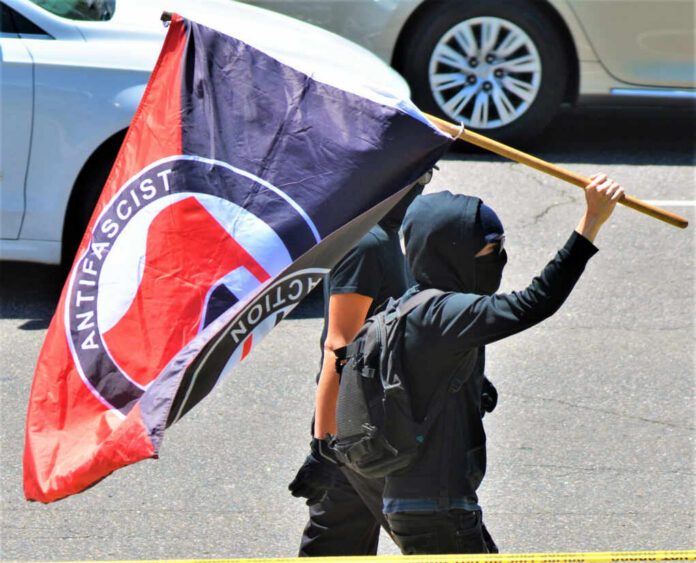
Violent left-wing groups promoting anti-American ideologies, including radicals tied to pro-transgender extremism, now rank as terror priorities. Analysts call Antifa threats “wildly underprioritized” previously. Gorka vows rapid identification and crushing of these networks, reversing politicized neglect. Facts support this: recent political violence demands equal scrutiny across ideologies.
Trump Unveils His New Strategy to Target Terrorism https://t.co/2ZKbrLd1j0 Treat Antifans like J6ers, and throw away the keys 😉
— Staedt66 (@Staedt66) May 10, 2026
The strategy guarantees apolitical execution, protecting dissenting Americans from CT abuse. It castigates past intelligence weaponization, pledging reality-based assessments. Conservatives applaud this safeguard, viewing it as restoration of impartial justice.
Implications for National Security
Short-term, FTO tools disrupt $40 billion cartel revenues, slashing drug deaths in border states. Long-term, paradigm shifts emphasize hemispheres over distant threats, strengthening alliances against Iran and proxies. Political polarization intensifies: praise for “America First” resolve versus cries of overreach. Implementation phases begin with threat mapping and DOJ coordination.
Sources:
Trump Administration Releases 2026 Counterterrorism Strategy
Trump counterterrorism strategy targets cartels, anti-American ideology
2026 Counterterrorism Strategy – The White House
The Trump Administration’s Counterterrorism Strategy Takes Aim at Drug Cartels
Countering Domestic Terrorism and Organized Political Violence