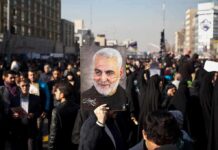
As President Trump hails a “historic” deal to disarm Hamas, many in Gaza say they’ve heard big promises before and doubt anyone will finally hold the terrorists — or Israel — to the terms.
Story Snapshot
- Trump announces a deal for Hamas to disarm and for Israeli forces to withdraw from Gaza.
- Hamas says it will only hand over weapons if Israel truly stops attacks and pulls back troops.
- Israeli officials reject the plan for now, demanding “genuine” disarmament before any pullout.
- Gazans react with a mix of hope and deep skepticism after years of war and failed ceasefires.
Trump’s Deal: Disarm Hamas, Withdraw Israel
President Trump announced that his Board of Peace has reached an agreement for the “complete disarmament of Hamas and all other armed groups in Gaza,” tied to a phased withdrawal of Israeli forces. The outline seen by reporters describes weapons being surrendered in stages, with Israeli troops slowly pulling back from the territory as disarmament benchmarks are met. Trump has framed this deal as a turning point in his broader Gaza peace plan and a key step toward lasting security.
According to coverage of the plan, Hamas and other factions would hand over weapons to a new technocratic governing committee rather than directly to Israel. A separate international stabilization force is supposed to help keep the peace while Gaza transitions away from rule by armed groups. For many conservatives, the core test is simple: does Hamas really give up its rockets, tunnels, and guns, and does Israel keep its right to defend itself if the terrorists try to rearm?
Hamas’ Conditional “Yes” Fuels Doubts
Reports from Gaza and regional media show Hamas has not offered an unconditional surrender of its weapons. A senior Hamas figure told mediators that any handover of heavy weapons depends on Israel “ending all forms of aggression” and withdrawing its forces from Gaza. Another official confirmed to American media that Hamas agreed to disarm only if Israel halts strikes, targeted killings, and moves troops back to a defined “Yellow Line,” while major humanitarian aid flows in. These conditions mean the terror group is still using its arsenal as leverage.
BBC reporting says Hamas has also refused to enter talks on the second phase of Trump’s wider plan until Israel fully meets first-phase commitments. Separate analysis notes that Hamas has long tied disarmament to a larger political outcome, including an independent Palestinian state and a clear Israeli pullout. This history makes many observers question whether the current statements are a real shift, or only tactical words meant to win time, aid, and international sympathy while core power remains with armed factions.
Israel Pushes Back, Demands “Genuine” Disarmament
While Trump and his team present the deal as a breakthrough, Israeli officials are far more skeptical. A senior Israeli source said there would be “no Israeli withdrawal” until Hamas is fully disarmed and Gaza is truly demilitarized. Another official insisted troops will not pull back from their positions without “genuine disarmament,” meaning that weapons must be removed from Gaza rather than simply stored under a local committee. Far-right National Security Minister Itamar Ben-Gvir blasted the draft, warning that stopping assassinations of Hamas leaders would let the group “organise for the next massacre.”
This clash matters for American readers who care about strong allies and real security. Trump’s Board of Peace plan relies on both sides honoring step-by-step commitments. But Israeli leaders remember deadly attacks after past ceasefires and are not eager to trust paper promises. If Jerusalem refuses to move without seeing weapons physically leave Gaza, and Hamas refuses to disarm until Israel moves first, the deal risks stalling in a familiar cycle of mistrust and blame.
Mixed Reaction in Gaza: Hope, Fear, and Frustration
On the streets of Gaza, reaction has been cautious at best. Some residents welcome the idea of Hamas giving up weapons if it means an end to bombing and a chance to rebuild their homes. Others ask why the group did not accept such terms earlier, before nearly three years of war shattered the territory’s economy and infrastructure. Video reports show displaced Palestinians saying they doubt the agreement will truly be implemented because past deals did not stop strikes or let families return home.
World Daily Brief — August 1, 2026
1. Gaza: Hamas confirms disarmament deal — with a major condition attached
Hamas confirmed Friday that it has agreed to the disarmament roadmap President Trump announced Thursday, with senior official Bassem Naim saying on social media the… pic.twitter.com/LeYxjhiggE
— ForeignAnalysis (@FAnalysis247) August 1, 2026
Locals interviewed by foreign media say they are “not seeing any agreement at all” on the ground and question whether leaders on any side are serious. Residents describe a pattern where big announcements are made, foreign leaders take victory laps, but daily life does not change. For conservatives watching from the United States, this reaction is a reminder that peace deals mean little without tough enforcement, real disarmament, and clear limits on any global bodies that might weaken Israel’s ability to defend itself or turn into yet another tool of international pressure on American allies.
Sources:
youtube.com, aljazeera.com, bbc.com, facebook.com, longwarjournal.org