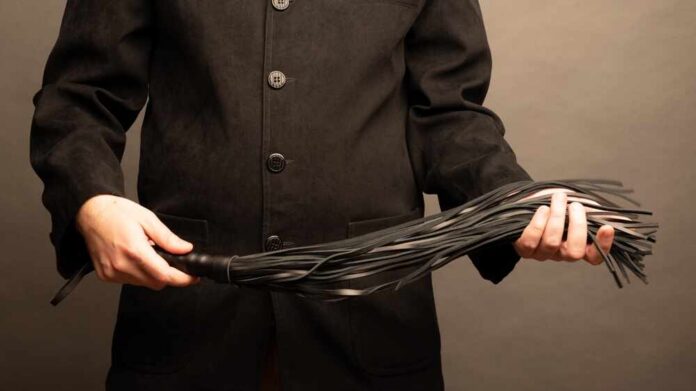
Race play has moved from the margins of BDSM into public debate, and its core feature is the use of racial slurs and racist scenarios for erotic roleplay.
Quick Take
- Race play is described as consensual erotic roleplay built around racial taboos and power dynamics.
- Some BDSM spaces now discuss it openly, including workshops at kink conferences.
- Supporters say it can expose racial privilege and historical inequality inside sexual culture.
- Critics say it can reinforce racism, fetishization, and white privilege.
What Race Play Means
Researchers and kink writers describe race play as a form of BDSM roleplay that uses racial language, stereotypes, or historical power dynamics. The practice can involve slurs, slave-auction scenes, or other scenarios tied to racial hierarchy. Supporters call it consensual and frame it as edgy but not abusive when participants set limits and trust each other. That definition still makes many readers recoil, because the fantasy borrows from real-world oppression.
The controversy is not just about taste. A 2022 study of 398 BDSM practitioners found that people of color were far more likely than non-people of color to report discrimination and fetishization at BDSM events. The same study also reported overt racism, offensive slurs, microaggressions, and feelings of isolation. That matters because a practice built around race does not happen in a vacuum. It lands inside a community that already shows racial strain.
Why Supporters Say It Exists
Supporters argue that race play can make hidden racial power visible instead of burying it. One academic paper says the practice can give participants a way to identify and discuss historical and current inequality that ordinary BDSM scenes do not address. A Colorlines report said workshops on race play were becoming part of kinky conference culture, which shows how far the idea has spread inside some circles. To supporters, the scene is not random shock value. It is a deliberate encounter with taboo.
That defense depends heavily on consent and interpretation. The strongest pro-race-play claims come from writers and participants who treat the scene as a structured way to confront privilege or process trauma. But the available research does not prove those benefits in a clean, measurable way. The literature cited here relies more on theory, interviews, and community reporting than on long-term clinical evidence. For readers who value plain facts, that gap matters.
Why Critics Push Back
Critics say race play can dress racism up as self-expression while leaving the harm intact. The same academic sources that describe it as revealing privilege also note the emotional risk involved and the way it draws on real historical racism. A separate thesis on BDSM racial discourse argues that online debate often ends up reinforcing white privilege, even when participants claim to separate fantasy from real life. That is why the practice remains one of the most divisive corners of kink.
I see a lot of people online say that we shouldn’t kink shame but I have to disagree. There’s 4 kinks right off the top of my head that are disturbing and need to be shamed.
1. consensual non-consent
2. age play
3. race play
4. scat I think that’s what it’s called but 🤮— Kay (@Kaybfair) July 2, 2026
The wider pattern is clear. BDSM spaces can be open about consent and personal freedom, yet race still introduces a real-world hierarchy that cannot be wished away. People of color in these communities report higher rates of discrimination and fetishization, which makes any race-centered fantasy especially charged. In plain terms, the fight over race play is really a fight over whether sexual freedom can ever be separated from racial history, or whether the two are permanently linked.
Sources:
feedpress.me, pubmed.ncbi.nlm.nih.gov, academia.edu, asexuality.org, nacdl.org