Brit Hume warned that stubborn prices at the pump and the grocery store are “killing” the administration unless the White House tackles affordability head-on.
Story Snapshot
- Fox News analyst Brit Hume urged President Trump to confront high prices directly or risk political blowback.
- Gas and food costs remain a top concern for voters across party lines, fueling broad frustration.
- Some prices fell, but many everyday costs are still higher than families can comfortably afford.
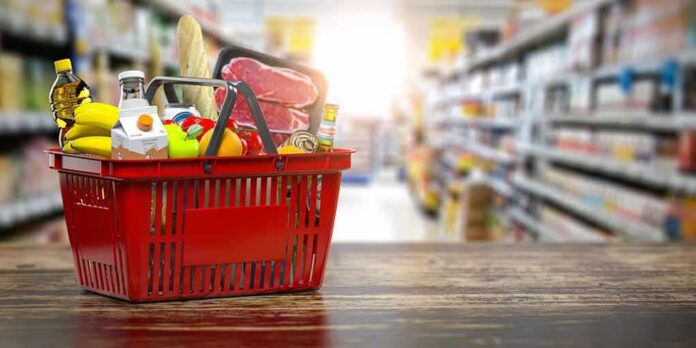
- Voters often care less about inflation rates and more about what they pay today for gas, groceries, and power.
Hume’s Warning: Admit the Pain And Act
Fox News chief political analyst Brit Hume said President Trump should acknowledge that prices are still too high for many families and address the problem “head-on.” He said the worst move is to act like the pain is not there. Hume’s advice came as voters continue to rank affordability as their top concern. His message was simple: show empathy, show urgency, and show a plan that lowers costs families face each week.
Hume’s view lands with a public that sees groceries, fuel, rent, and power bills squeezing paychecks. Recent surveys show overwhelming concern that high costs are tied to Washington’s debt and policy choices. Large majorities of voters across parties say rising prices hurt their household budgets and want leaders to focus on relief. That anxiety remains strong even when inflation slows, because prices sit far above where they were a few years ago.
Prices: Mixed Signals, Real Pressure
Official data shows a mixed picture. Some staples like eggs and a few bakery and dairy items eased, while other foods climbed. Energy costs dipped at points, then spiked again in some months. Analysts note that shoppers feel the total bill, not a line item or a trend line. A slower inflation rate does not mean lower prices; it means prices are still rising, just more slowly. That gap between data talk and checkout pain drives voter anger.
Media fact checks have pushed back on claims that prices are broadly “down.” They report that overall consumer prices and grocery totals are still higher than when this term began, even if the pace cooled at times. Critics of the administration’s messaging argue that saying “inflation is defeated” misses what families face each week at the store and the gas station. Voters notice the dollar amount, not the debate over monthly indexes.
Why Affordability Dominates 2026
Think tanks and election analysts agree: affordability is the core political issue in 2026. Since the pandemic, many households saw big jumps in living costs and borrowing costs. That shock stuck. People now judge leaders on whether their budgets stretch. Polling shows near-universal concern about the cost of living and the national debt’s link to inflation. Voters want action that brings down everyday costs, not talking points that sound out of touch.
Brit Hume: Rising Prices Are "Killing" The Trump Administration And Republicans https://t.co/z5qLl5oyWV
— RealClearPolitics (@RCPolitics) September 16, 2026
For a center-right policy path, the logic is clear. Washington should restrain spending growth, cut red tape that raises energy and food costs, unlock more domestic production, and stop pushing mandates that drive prices up. Clear steps that expand supply and ease bottlenecks can lower costs without new taxes or heavy-handed control. That approach aligns with limited government and energy abundance, and it meets families where they feel the pinch today.
Sources:
politifact.com, sierranevadaally.org, wvtm13.com, hoodline.com, aol.com, chicagotribune.com, cnn.com, jec.senate.gov