A mainstream report claimed Ford’s Theatre was eyed for a Trump naming push, but the White House and Interior flatly denied it the same day.
Story Snapshot
- Media reports said aides discussed adding President Trump’s name to Ford’s Theatre.
- President Trump and the White House called the story “completely false” and “FAKE NEWS”.
- The Interior Department also denied the claim as not true.
- No documents or formal proposals have surfaced to support the rumor.
What Sparked The Ford’s Theatre Rumor
MS NOW reporting, echoed by several outlets on September 23, said people familiar with an internal effort discussed adding President Trump’s name to Ford’s Theatre. One recap said an administration official acknowledged the idea had been discussed, though its status was unclear. Multiple outlets repeated the same core claim that the historic site, where President Abraham Lincoln was killed, had “raised eyebrows” inside talks. The reports relied on unnamed sources and produced no formal paperwork or proposal.
Follow-on coverage linked the rumor to broader conversations about honoring a sitting president. These pieces said staff were brainstorming locations, and that Ford’s Theatre appeared on a list. None of the stories named the official who raised the idea, the date it was floated, or whether any decision-maker reviewed it. The result was a fast spread of a striking allegation with limited verifiable detail beyond the assertion that “discussions” took place.
Swift, On-The-Record Denials From Officials
President Trump dismissed the report and said the White House did not seek to attach his name to Ford’s Theatre, calling the story a “ridiculous lie” and “FAKE NEWS”. The White House said the claim was “completely false,” describing the anonymous-source story as baseless. The Department of the Interior, which oversees the site, also denied it and said the report was not true. Several outlets repeated these denials and noted that officials rejected the rumor immediately.
Some coverage quoted President Trump saying he would not want his name on such a “tragic place,” reinforcing that the idea runs against his stated view. With the President, the White House, and the Interior Department aligned, the public record now features direct, named denials. That puts the burden back on the original claim to show hard proof. As of now, the media accounts provide no emails, memos, or drafts to document any formal step toward a change.
What The Law And Process Suggest
Reports noted that Ford’s Theatre’s name is set by federal statute. Any real change would likely require Congress, not just a staff idea or informal chat. That legal frame matters. It makes quick executive rebranding of a solemn national site unlikely and helps explain why seasoned readers met the claim with doubt. Without evidence of a legal strategy or a bill, the story reads more like speculation than a plan. The absence of agency paperwork also weakens the rumor.
Past naming fights show why process matters. Courts recently blocked renaming at the Kennedy Center due to statutory limits, underscoring that cultural landmarks sit under tight legal guardrails. These guardrails protect history from fads, power plays, or personal branding. Conservatives who value limited government and respect for tradition should welcome guardrails that keep sacred places stable and beyond casual political reach.
Media Pattern: Anonymous Claims, Viral Echo, Then Rebuttal
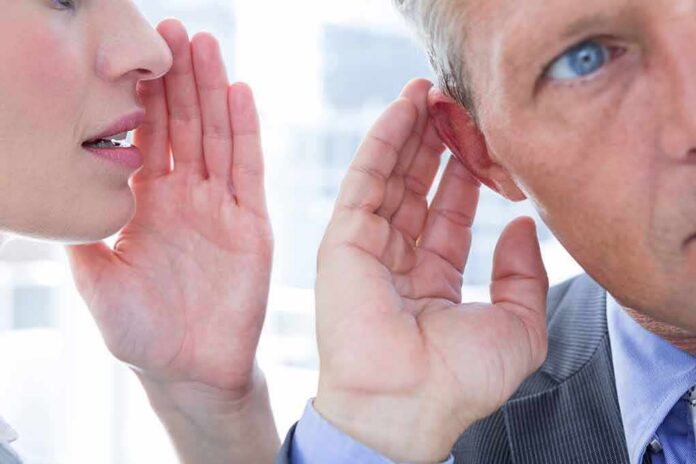
This episode follows a familiar cycle: an explosive allegation built on unnamed sources, immediate reposts by multiple outlets, and then firm denials from the people in charge. The first wave gets clicks, but often lacks documents, names, and dates. The second wave carries the headline farther without new proof. The final wave provides on-record facts that push back hard. Readers deserve clarity, not rumor mills dressed up as news.
Conservatives have seen this movie before. Anonymous-source stories can smear, distract, or inflame. They can also erode trust and waste attention that should go to serious issues like border security, debt, and energy costs. When officials give direct statements, those should anchor the conversation unless new, verified evidence appears. Here, the White House and Interior said the claim is false. Until records show otherwise, that is where the facts stand.
What To Watch Next
Watch for any primary documents: emails, memos, drafts, or meeting notes. Look for statements from Ford’s Theatre leaders or the National Park Service that confirm a real process ever began. If none appear, the story likely remains what officials already called it: false. If Congress were involved, there would be public text and committee work. None has surfaced in the reporting cited here.
The bottom line is simple. Anonymous chatter is not policy. Sacred places like Ford’s Theatre deserve care, not clickbait. President Trump and responsible agencies denied the claim on the record. That should close the loop unless proven otherwise. Our readers value truth, tradition, and the Constitution. Those values start with facts, not rumors. Keep calm, demand receipts, and move on to the issues that hit your wallet and your freedom.
Sources:
politicalwire.com, broadwayworld.com, yahoo.com, al.com