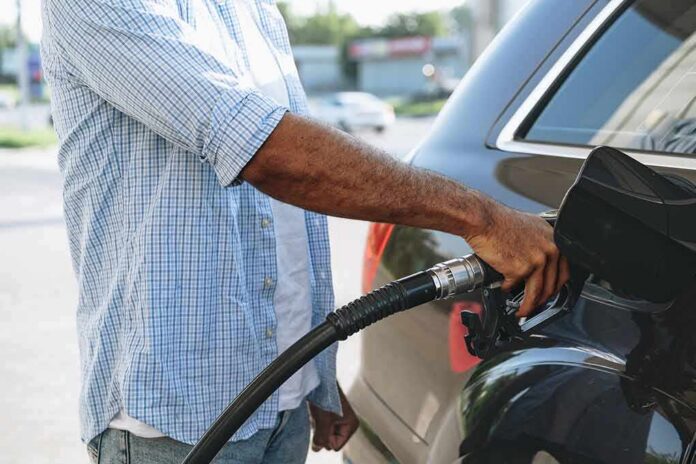
CNN’s Harry Enten warned that rising gas prices are “killer stuff” for Republicans in the midterms, reviving a long-running rule of American politics that pain at the pump punishes the party in power.
Story Highlights
- Media and market watchers link pump-price spikes to election risks for incumbents.
- Past cycles show parties out of power try to harness voter anger over fuel costs.
- Recent polling and reporting say voters still react strongly to gas price jumps.
- Price swings can shift fast, which can blunt or boost the political impact.
What CNN’s Enten Said And Why It Matters
CNN analyst Harry Enten said rising gasoline prices can reshape midterm math, calling the trend “killer stuff” for the party facing voter blame. That framing echoes a common view in political reporting: voters tie pump prices to the people in charge, and they react when costs climb. Reporters have treated gas price spikes as a direct election risk in past cycles, not just dry economic news. That coverage signals how quickly the kitchen table issue can define a season.
Political risk from fuel costs is not new. In 2022, major outlets noted a fresh jump in gas prices and warned it could weigh on Democrats in that year’s midterms. The same season, headlines tracked how candidates fought to shape blame and credit. When prices rose, the party out of power amplified voter frustration. When prices dipped, that party lost a key talking point. The core dynamic stayed the same: prices move, and blame follows the perceived boss.
How Parties Have Used Gas Prices On The Trail
Republican candidates have often campaigned at gas stations and in commuter suburbs, pointing to the price on the marquee to make the stakes feel real. Reuters reported that Republicans directly courted voters angry about high fuel costs during the 2022 midterms, betting the issue would drive turnout and even party switching in battlegrounds. Bloomberg later reported that falling prices undercut that strategy by late summer, proving how timing can dull a potent message.
That pattern cut the other way in earlier windows. Reuters coverage in October 2022 described high gas prices as a “top worry” before voting, and analysis pieces tied that squeeze to a likely hit on the president’s party. The media did not treat prices as abstract economics. Reporters showed how candidates folded the numbers into stump speeches, ads, and local news hits. The campaign trail language was simple: families pay more, and someone in government gets the blame.
What New Reporting Says About 2026 Voters
Recent polling-style reporting still finds voters reacting to the price at the pump. Reuters wrote in 2026 that higher gasoline costs, plus pressure tied to events abroad, posed political risks and that survey data showed a strong voter response to price jumps. A separate Reuters/Ipsos readout linked rising prices to concern about midterm outcomes, highlighting the ongoing sensitivity around fuel costs and household budgets during election season. These reports track with past cycles.
Analysts and scholars have long noted a link between fuel costs and how voters judge leaders. Research summaries describe a recurring pattern where spikes in gasoline prices correlate with lower presidential approval, which often hurts the president’s party in midterms. Reporters apply that lens when prices rise near an election. They do not claim gas alone decides control of Congress. They do show that it can amplify frustration that already exists, especially when families feel squeezed.
Limits, Volatility, And The Stakes For Policy
Some reports stress that price effects can fade if costs drop before ballots are cast. Bloomberg’s 2022 review said the dip in late summer blunted a key Republican attack line. Reuters’ 2022 reporting also cautioned that the turnout effect was uncertain even as candidates leaned into the issue. Those caveats do not erase the core point that media, campaigns, and voters track prices closely. They show why fast shifts can change momentum late in a race.
For conservative readers, the lesson is practical. When gas costs rise, households pay more for work, school, and small business runs. Media coverage, including CNN’s segment, treats that stress as a live political force. Past reporting shows both parties use it when they can, but families still need affordable energy either way. That is why policy that expands American supply, cuts red tape, and resists global shocks remains central to kitchen table stability during any election year.
Sources:
mediaite.com, transcripts.cnn.com, nypost.com, reuters.com, rawstory.com