
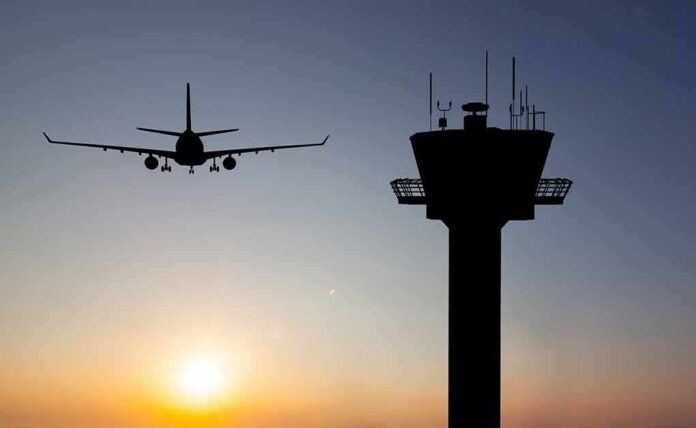
A cluster of serious runway near-misses at Sydney Airport is now tied to tower staffing pressure and predicted fatigue risks, investigators say.
Story Highlights
- Australia’s safety bureau flagged Sydney Tower staffing and fatigue risk as recurring lines of inquiry.
- One July runway conflict reached the highest international severity category in more than 20 years.
- Officials say no immediate safety risk has been found, and causes are not yet concluded.
- Investigators are probing overtime, combined roles, and supervision during operations.
Investigators Link Staffing Pressure To Multiple Incidents
The Australian Transport Safety Bureau said staff resourcing in Sydney Tower had emerged as a recurring area of inquiry across several recent runway events. The bureau highlighted concerns about combining operational roles and routine reliance on overtime. The bureau said these issues will be examined to see how they shaped controller workload and attention. The bureau did not assign blame or a single cause yet. The focus is on whether system pressures raised the chance of error.
Preliminary reporting shows the inquiry will also study training and supervision that occurred during live operations. Investigators want to know if on-the-job instruction reduced the margin for safety during busy periods. The bureau will review how shifts were staffed, how breaks were covered, and how handovers were handled. Each factor can affect how fast a controller can spot conflicts. These steps reflect a standard safety method: fix weak links before they fail.
Runway Conflict Reached Highest Severity Category
Investigators classified a July runway conflict at Sydney as the most serious level used in international systems. That level is rare and signals that a major error chain formed on the ground. Reporting tied the moment to a period when several people in the tower had high predicted fatigue risk. The bureau said a high predicted risk does not prove anyone was fatigued, but it does warrant review of rosters and shift design for safety gaps.
The official case files describe a breakdown in coordination during a handover and a mistaken belief about an aircraft’s runway exit. Those details paint a picture of task load, timing, and communication under strain. The investigation will review whether combining roles or reduced staffing fed that strain. It will also assess how supervision occurred during live control, and whether that diluted focus as traffic moved across multiple runways and taxiways.
Authorities Urge Calm While Probing Root Causes
Australia’s civil aviation regulator and air navigation provider said recent events did not pose an immediate threat to travelers. They pointed to layers of safeguards meant to catch errors before tragedy strikes. The safety bureau reinforced that it has not concluded that staffing directly caused any incident. The bureau stressed that fatigue risk scores alone do not prove impairment or performance harm without deeper evidence from the timeline and actions.
🇦🇺✈️⚠️ SYDNEY AIRPORT NEAR-MISS RATE UNDER SCRUTINY
Australia’s aviation safety regulator says the frequency of reported near-miss incidents at Sydney Airport is roughly 20% above the national benchmark.
Six incidents from July and August are being examined, including one case…
— Eyeworldnewsdigital (@eyeworldnews444) September 30, 2026
Travelers and crews deserve transparent fixes, not spin. The strongest path is to publish measurable steps on staffing, breaks, and role coverage. Clear standards for handovers and limits on combined positions can cut risk fast. Simple changes, like locked-in relief coverage and shorter peak stretches, can sharpen attention when seconds matter. The bureau’s system-first approach matches what works in aviation: strengthen routines, reduce overload, and keep hazards from lining up in the first place.
Sources:
atsb.gov.au, nine.com.au, straitstimes.com