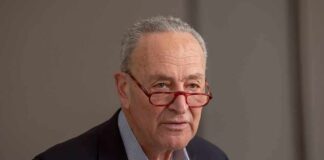
U.S. Treasury Secretary Scott Bessent relocated to a military base after credible Iranian threats targeted his life, according to multiple reports.
Story Snapshot
- Reports say Bessent moved from his home to a U.S. military base after threats tied to Iran.
- Treasury says Bessent will not back down from efforts to pressure Iran’s economy.
- Recent intelligence signaled Iranian plots against Americans had reached advanced stages.
- Key operational details remain undisclosed for security reasons.
What Happened: Relocation After Reported Iranian Threats
The New York Times reported that Secretary Scott Bessent left his residence and moved onto a U.S. military base after threats linked to Iran targeted him personally. The report cited three people with knowledge of the matter. A Treasury Department spokesperson said Bessent would not be deterred by the Iranian regime’s threats and would continue his work. The article noted the severity of the threats was not publicly clear, and it did not name the base or the exact relocation date.
Several outlets echoed the account and tied it to a wider intelligence picture. A senior intelligence official warned in late October that lethal plots by Tehran against American citizens had reached advanced stages, according to reporting summarized by The Straits Times. That context aligns with the protective step reported for Bessent. Other outlets, including Israel National News and Middle East Eye, repeated the relocation claim, generally crediting the original reporting and noting limits on public details.
Why It Matters: Pressure Campaign And Regime Retaliation Risk
Bessent helps drive sanctions and financial pressure on Iran as part of President Trump’s strategy to curb the regime’s funding of terror and proxy violence. The Treasury Department’s stance signals the campaign will continue even as threats rise. Iran has denied plotting attacks, but U.S. officials recently assessed that Iranian targeting of current and former American officials had grown more advanced, with Bessent’s case part of that assessment, according to the Times report. This raises the stakes for security and policy execution.
Protective moves like temporary relocation are consistent with federal practice when a credible, specific threat emerges. The United States Secret Service and partner agencies conduct threat assessments and take steps to shield potential targets before an attack, not after one. Government oversight and agency materials explain that protection uses proactive measures to minimize risk, based on evolving intelligence and vulnerability assessments. In high-risk cases, that can include secure housing and controlled access locations.
Security Protocols: How The Government Responds To Threats
Federal protection programs aim to disrupt plots early by blending intelligence, investigation, and physical security. Public records describe how protective intelligence identifies threats and directs countermeasures, while keeping sensitive sources and methods secure. When an official faces a targeted threat, relocation to a hardened site can limit surveillance and reduce exposure. The Department of Homeland Security’s inspector general has also described layered protections, including counter surveillance and controlled perimeters, as part of standard practice.
While the specific base and decision authority were not named in public reports, that omission fits normal operational security. Agencies rarely disclose real-time locations, security staffing, or intelligence triggers because doing so can aid hostile actors. The Straits Times summary of a late October memo underscored that the risk environment had intensified, which helps explain a rapid, low-profile move rather than an open announcement. The essential fact is direct: Bessent moved to a base after Iran-linked threats, and Treasury says he will not back down.
Conservative Lens: Strength At Home, Pressure Abroad
Threats from a hostile regime against a Cabinet official are an attack on American sovereignty and policy freedom. The response under President Trump’s administration shows resolve: protect our leaders, keep the mission on track, and increase pressure where needed. Sanctions and financial tools bite because they target the regime’s cash flows, not American families. Iran’s pushback only proves why a firm line matters. Treasury’s message is clear: keep the pressure on and safeguard our people.
Americans want secure borders, strong defense, and accountable government. That starts with refusing to let foreign threats dictate our policy or intimidate our officials. The protective action for Bessent aligns with common-sense security and with a national interest that puts American lives first. Some details will stay classified. That protects the mission. The bottom line remains public and firm: threats will not slow the work to cut off money to those who target Americans at home or abroad.
Sources:
facebook.com, rawstory.com, israelnationalnews.com, straitstimes.com, ynetnews.com, middleeasteye.net