
Video showed LeBron James mimicking a golf swing and jump shot during the national anthem, triggering fresh demands for respect on a moment that honors the country.
Story Snapshot
- Jason Williams told James to “stand still” during the anthem and called for discipline.
- The National Basketball Association rule requires players to stand in a dignified posture during anthems.
- Reports show no announced fine or formal punishment for James after the incident.
- James dismissed the backlash as a “slow news day,” while critics called the actions disrespectful.
What Happened On The Floor
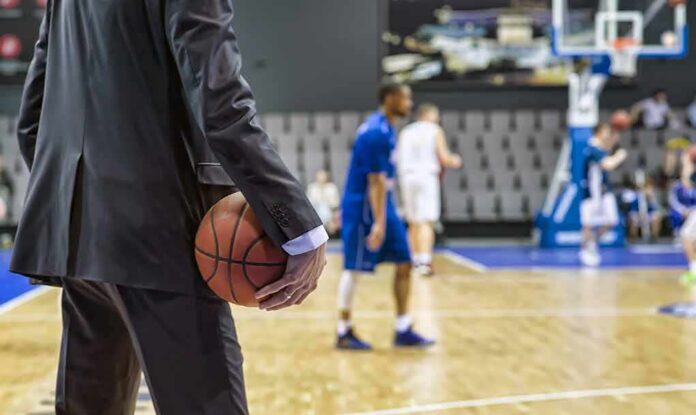
Reports described video from the 76ers-Knicks opener at Madison Square Garden showing LeBron James standing with teammates while appearing to practice a golf swing and shooting motion during the national anthem. Commentators said the movements came during the song’s performance and were visible enough to spark wide reaction online. The public record does not show James leaving the line or sitting. The debate centers on whether such movements meet the league’s standard of a dignified posture during the anthem.
Jason Williams, a former National Basketball Association guard, addressed the clip on his Hoopin’ N Hollerin’ podcast and said players should “stand the [expletive] still” during the anthem. Williams argued that everyone knows the expectation in that moment and suggested the league should enforce it. He also speculated about punishment, but no public National Basketball Association discipline has been reported for James tied to the incident, making that part of his claim unsupported by official action.
The Rule And How It Is Enforced
The National Basketball Association’s published guidance states that players, coaches, and trainers must “stand and line up in a dignified posture” along the foul lines during the American and Canadian anthems. A 2017 league memo placed anthem enforcement decisions with the league office rather than individual teams, signaling that discipline, if any, would come from the National Basketball Association itself. Coverage also noted that the rule does not explicitly require motionlessness, which shapes how incidents like this are judged.
Past league practice shows that anthem conduct can draw penalties under clearer violations. In 1996, Mahmoud Abdul-Rauf received a suspension and fine for refusing to stand during the anthem, and the issue later figured into labor arrangements between the league and players. That case involved a direct refusal to stand, which differs from a player moving while standing in line. This difference helps explain why observers split on whether James’s movements warrant formal punishment now.
Reactions From James, Barkley, And The Public
President Trump criticized the behavior and called for respect during the anthem. LeBron James brushed off the controversy and said it was a “slow news day at the office,” declining to apologize and offering no detailed explanation of his intent. Later reporting noted that James appeared at a following game with his head bowed and arms behind his back during the anthem, which aligned with a more traditional posture without addressing the earlier clip directly.
Charles Barkley called James’s actions “very disrespectful,” saying practicing a golf swing during the anthem crosses a line many fans hold dear. Other commentators suggested James could have been stretching and pointed out that the apparent swing looked left-handed even though he golfs right-handed, underscoring the ambiguity of intent in short clips. That uncertainty does not erase the visual impact. For many Americans, the anthem is a simple standard: stand still, show respect, and save antics for after the song.
Why This Matters For Fans And The League
Patriotic rituals bind fans, players, and the country around shared values. When stars treat that moment loosely, it signals that rules and respect are optional. The National Basketball Association’s “dignified posture” rule sets a baseline, but uneven or quiet enforcement fuels distrust. Clear standards, applied consistently, protect the game from culture-war churn and keep the focus on competition. The league office should either reaffirm the rule’s meaning in plain words or update it so everyone knows where the line is.
Sources:
foxnews.com, sports.yahoo.com, asuselj.org, delawareonline.com, masslive.com, sports.inquirer.net