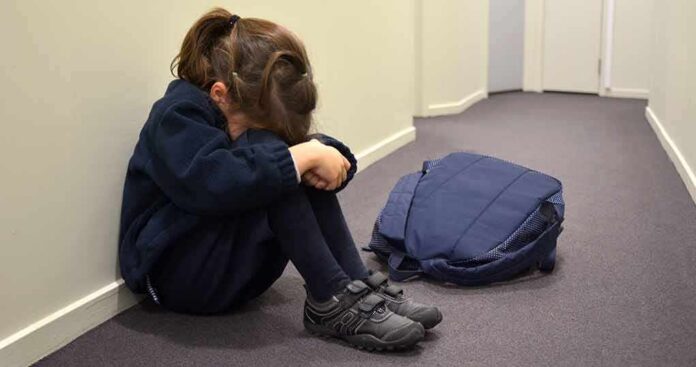
Norway’s seizure of five children from a Christian family shows how fast government power can break a home — even without clear proof of harm.
Story Snapshot
- Officials removed five Bodnariu children after school concerns and interviews about spanking.
- Norway bans corporal punishment, and authorities cited discipline and parenting style in their actions.
- Public records lack medical findings or detailed court orders justifying the initial removals.
- All five children were reunited with their parents seven months later in June 2016.
What Triggered Norway’s Intervention
The Vevring School principal reported concerns about two Bodnariu daughters in November 2015. Reports say the girls told staff they feared being spanked at home. Officials interviewed the girls at school for about two hours. The same week, authorities removed multiple children from the family. Norway outlaws corporal punishment, so any admission or fear of spanking can trigger action under its rules.
Accounts also say local officials had tracked the family’s parenting for more than a month. Notes described a Bible-based approach to discipline and raised concern about religious “indoctrination.” These concerns went beyond a single school event and shaped the state’s view before the removals took place. That framing later drove a global outcry over whether faith practices, not clear danger, led to the breakup of the home.
Gaps In The Record And Why They Matter
The public file does not show medical exams, injury photos, or a forensic report that proves serious harm. Reports mention school interviews and fear of spanking, but not verified injuries. The original referral appears to have been by phone, and the exact document has not surfaced. The record also lacks the full emergency orders, case numbers, or written findings that spelled out the immediate risk for each child, including a three-month-old infant.
These gaps raise due process concerns that should worry every parent. When the state removes children, the standard should be high and the paperwork clear. If the facts are strong, the record should reflect that strength. When records are sealed for privacy, governments must still show, in some public form, why they used the harshest tool. Without that balance, secrecy looks like overreach, and trust in child protection erodes fast.
How The Case Ended — And What It Suggests
After months of protests and legal pressure, Norway agreed to return all five children in June 2016. Reports called it a reunification deal. The outcome left unclear whether facts changed, evidence came up short, or officials judged the risk lower than first claimed. But the result undercut the idea that a long-term removal was necessary from the start, and it strengthened claims that the first response went too far.
Europe’s rights courts have since warned Norway about family-separation practices. Rulings stressed that states must aim for reunification when safe and must justify strong limits on parental contact. That legal trend should guide any system that claims to act for a child’s best interests. Strong child safety and strong family rights are not enemies. They are both mandates that require discipline and proof, not assumption.
Why This Story Hits Home For American Families
American parents know that rights shrink when government power grows. This case shows how a ban on corporal punishment, mixed with worry about “wrong” beliefs, can lead to fast removals. That is a warning for any system that lets culture fights shape child-welfare calls. In the United States, we must demand strict evidence, open processes, and clear paths back to family. Faith, tradition, and parental duty should never be treated as a threat by default.
Here is the common-sense path forward. First, document immediate risk with evidence that can stand up in court. Second, share non-private reasons with the public to keep trust. Third, set reunification as the goal unless hard facts prove it unsafe. Finally, protect freedom of religion and family life while stopping real abuse. That balanced model guards children and the Constitution—without letting the state bulldoze the family home.
Sources:
reason.com, washingtontimes.com, europarl.europa.eu, romaniajournal.ro, christiantoday.com, christiannews.net, scup.com, ks.echr.coe.int, echr.coe.int