A low-cost breath test using trained dogs and artificial intelligence reportedly detected multiple cancers with about 90% accuracy in a large Phase 2 study.
Story Highlights
- Indian startup Dognosis reports around 90% sensitivity and specificity across seven cancers in a 1,500-person trial.
- The test uses a 10-minute breath sample, trained dogs, and software that translates canine responses into a result.
- The company says accuracy held even at early stages, when treatment works best.
- The approach aims to deliver a cheap, non-invasive screening option that could expand access.
What Dognosis Claims Its Trial Showed
Dognosis said its Phase 2 results, posted alongside a Journal of Clinical Oncology publication announcement, showed 90% or better sensitivity and specificity, with an area under the curve of 0.962, in a trial with 1,502 participants spanning seven cancers. The company also said performance was steady at Stages 1 and 2, which matter most for survival. These are company-reported results. The company frames the study as the largest of its kind to date, focused on breath-based, multi-cancer screening.
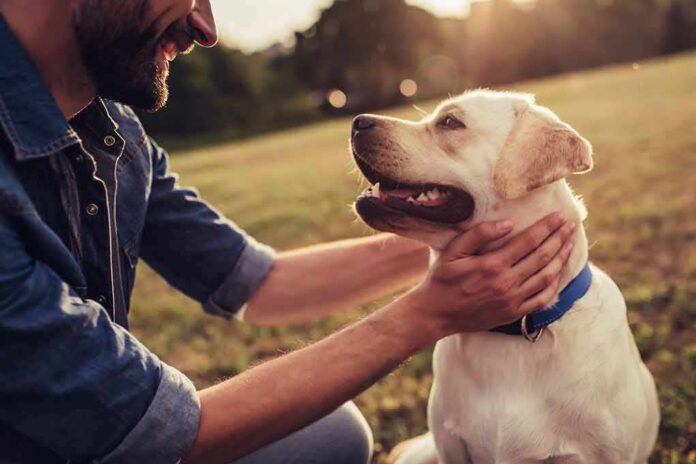
The core workflow is simple for patients. People breathe into a custom mask for about 10 minutes. The mask captures volatile organic compounds that can signal disease. Trained dogs then smell the sample, while sensors and a brain-wave headset track canine responses. A machine-learning system converts those signals into a clear, quantitative readout for clinicians and patients. Company materials describe this as a path to scale the dogs’ detection skill into consistent, affordable screening.
How Dogs And Software Work Together
Company materials say the system blends three inputs: dog olfaction, behavioral data, and noninvasive brain signals from the animals. Software reads those inputs to generate a yes-or-no screening result. Media reports describe dogs working in a dedicated lab outside Bengaluru, trained to flag breath samples that match cancer-linked scent patterns. This model aims to keep human burden low, reduce invasive testing, and turn complex scent biology into a repeatable decision aid for early detection.
Dognosis positions its method as an ultra-affordable, non-invasive multi-cancer early detection test. Company pages stress a goal of bringing screening to people who now skip it due to cost, travel, fear, or lack of access. A breath test could fit primary care, mobile clinics, or at-home collection kits, if regulators approve. Earlier research has explored teaching machines from canine judgments to spot cancer patterns in breath and other samples, supporting the concept’s plausibility.
Why This Matters For Patients And Policy
Early detection saves lives and cuts costs. Catching cancer early can mean less chemo, fewer hospital stays, and better outcomes for families. A quick breath test could make routine screening easier across small towns, churches, and community centers. That aligns with American values of choice and access. Private innovators are showing how smart tools, not bigger government, can lower costs and help doctors focus on care that works.
Next steps decide impact. Company claims now need broad adoption studies, regulatory review, and clear clinical pathways. If results hold, insurers and clinics will ask how to fold this into checkups without waste or false alarms. For now, the facts are straightforward: Dognosis reports roughly 90% sensitivity and specificity across seven cancers in a 1,502-person trial, using a simple breath mask, trained dogs, and artificial intelligence to flag early disease.
Sources:
enterpriseai.economictimes.indiatimes.com, dognosis.tech, purplehuetechnosoft.com, yourstory.com, linkedin.com