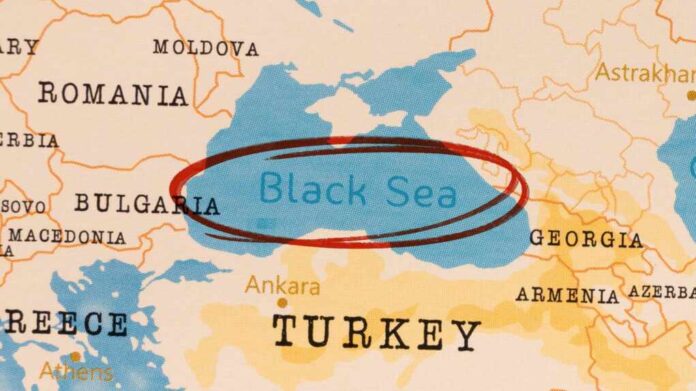
Black Sea shipping faces renewed deadly threats as explosive devices target civilian cargo vessels.
At a Glance
- A civilian cargo ship struck an explosive near Ukraine, highlighting intensifying maritime risks.
- Russia’s invasion has transformed the Black Sea into a militarized zone threatening global trade.
- The collapse of grain deals leaves cargo vessels exposed to attacks from mines and drones.
- Disruptions to shipping routes are driving up costs that worsen U.S. consumer inflation.
- Failed diplomacy and military escalation have weaponized a key global commerce corridor.
Civilian Cargo Ship Attacked Near Ukraine
A civilian cargo vessel navigating near Ukraine in the Black Sea was hit by an explosive device, underscoring the growing danger to commercial ships in this volatile region. The strike marks another escalation in the maritime phase of the Russia–Ukraine conflict, now entering its third year. Civilian crews face a combat-like environment, with drifting mines, underwater explosives, and aerial threats from unmanned systems.
Watch now: Black Sea Cargo Ship Hit by Explosive
The Black Sea has been a battleground since the February 2022 invasion. Once a major artery for grain, fuel, and commodities, the region now presents constant risk for merchant shipping. The incident reflects a broader collapse in maritime security norms, where hostile acts target non-military vessels without warning or accountability.
Naval Conflict Cripples Global Supply Lines
Commercial shipping in the Black Sea has become a high-risk endeavor. Russian forces captured major Ukrainian ports, including Mariupol, and enforced maritime blockades that effectively halted exports critical to international markets. Civilian infrastructure has been bombed or repurposed for military use, and merchant fleets are frequently caught in the crossfire.
The UN-brokered Black Sea Grain Initiative, once a critical safeguard for food exports, disintegrated in July 2023 after Russia’s withdrawal. Without international protections, vessels have become exposed to unchecked threats. Ukraine’s creation of alternative shipping lanes along NATO-aligned coasts has helped marginally, but cargo throughput remains far below prewar benchmarks, compounding supply shortages globally.
Escalating Costs Slam U.S. Consumers
The direct consequence of maritime disruption in the Black Sea is sharp increases in global transportation costs. Shipping premiums and rerouting expenses are passed down to American families through higher prices at grocery stores and gas stations. Grains and energy supplies are among the hardest hit, as delivery routes grow longer and more dangerous.
These inflationary effects stem from global economic entanglement with vulnerable shipping corridors. The loss of secure access to Ukraine’s export infrastructure has left major importers scrambling, while insurers demand massive risk surcharges for vessels entering the region. For U.S. consumers, the result is sustained pressure on household budgets and prolonged fallout from failed geopolitical containment.
Sources