Sudan’s forgotten war has spiraled into the world’s largest humanitarian catastrophe, yet international silence enables combatants to systematically destroy hospitals and deny millions access to lifesaving care while global powers look away.
Story Snapshot
- 34 million Sudanese need humanitarian aid as three-year conflict creates world’s worst health crisis
- 217 verified attacks on healthcare facilities resulted in over 2,000 deaths since fighting began in April 2023
- 37% of Sudan’s health facilities are non-functional while disease outbreaks spread across multiple states
- 4.2 million children and pregnant women face acute malnutrition as maternal mortality rates reverse years of progress
World’s Largest Crisis Hidden from View
Sudan’s armed conflict between the Sudanese Armed Forces and Rapid Support Forces entered its third year in April 2026, transforming what began as a power struggle into a systematic assault on civilian life. The World Health Organization confirmed that 34 million people now require humanitarian assistance, with 21 million lacking access to basic health services. This surpasses every other global emergency, yet the crisis receives minimal international attention. The conflict has displaced 14 million people, including 9 million internally and 4.5 million who fled to neighboring countries with limited resources to support them.
Healthcare System Under Deliberate Attack
Both warring factions have violated international humanitarian law by targeting medical facilities and personnel. WHO verified 217 attacks on healthcare facilities since April 2023, killing 2,052 people and injuring 810 others. Between January and mid-March 2026 alone, 11 additional attacks killed 46 people and injured 28. The recent assault on El Daein Teaching Hospital in East Darfur killed at least 64 people, including children and health workers, rendering the facility non-functional. This hospital served as the primary referral center for hundreds of thousands across the region, leaving vulnerable populations with nowhere to turn.
Disease Outbreaks Spread Unchecked
The collapse of routine vaccination programs has unleashed preventable disease outbreaks across Sudan’s 18 states. Malaria, dengue, measles, polio, hepatitis E, meningitis, and diphtheria now spread simultaneously through Al Jazirah, Darfur, Gedaref, Khartoum, Kordofan, River Nile, and White Nile states. A cholera epidemic was declared in August 2024, while measles outbreaks ravaged Darfur communities throughout 2024 and 2025. With 37% of health facilities non-functional, patients must undertake dangerous journeys seeking treatment, often arriving too late or finding facilities unable to provide care due to supply shortages and staff depletion.
Generational Catastrophe for Children
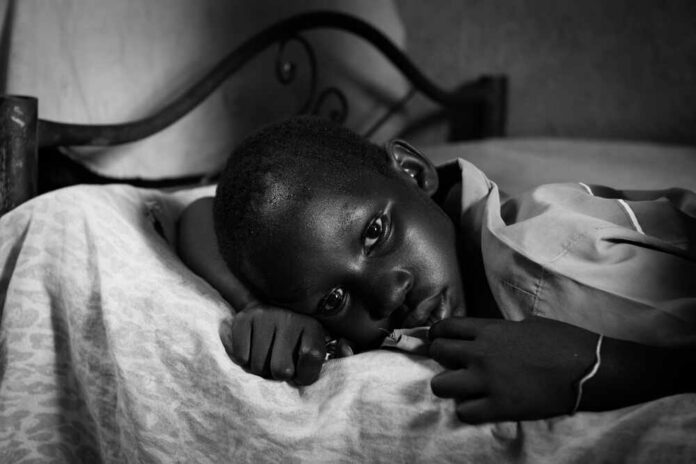
Children bear the heaviest burden of Sudan’s health crisis. Approximately 4.2 million children under five and pregnant or breastfeeding women suffer from acute malnutrition, creating vulnerability to disease complications and death. Children represent 55% of internally displaced persons, facing long-term developmental consequences that will echo for decades. Maternal and child mortality rates are reversing after years of hard-won progress, erasing development gains achieved before the conflict. WHO Regional Director Dr. Hanan Balkhy emphasized that millions now lack basic medical care while facing hunger and disease risk, with the crisis deepening rather than stabilizing in conflict-affected areas.
International Failure to Respond
Médecins Sans Frontières operates over 2,000 staff across Sudan delivering maternal care, pediatric services, vaccination campaigns, and emergency treatment, yet the organization notes that humanitarian aid falls drastically short of spiraling needs. The international community’s inattention enables combatants to continue attacking healthcare infrastructure with impunity. In 2025, 82% of all global deaths from attacks on healthcare facilities occurred in Sudan, a staggering concentration of violence against medical services. WHO Director-General Dr. Tedros Adhanom Ghebreyesus stated the war denies people their most basic rights including health, water, food, and safety, while the crippled health system leaves millions without essential care. Without peace, health cannot be attained, yet diplomatic efforts remain minimal while Sudan’s people suffer a deepening catastrophe the world chooses to ignore.
Sources:
Sudan: three years of war in five shocking numbers – MSF UK
After three years of conflict, Sudan faces a deeper health crisis – WHO
Timeline: Three Years of War in Sudan – Doctors Without Borders