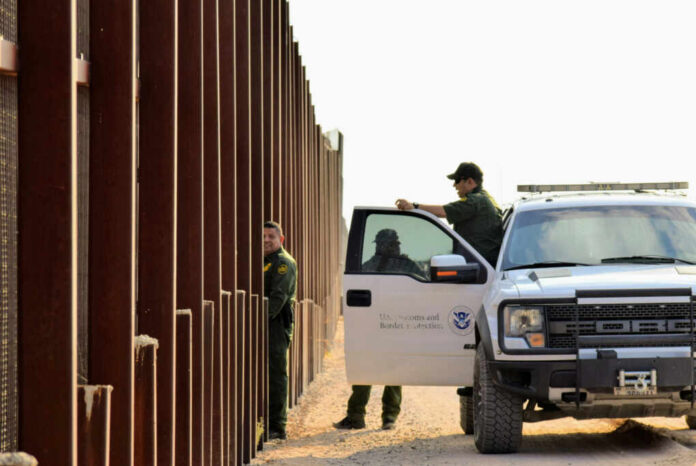
A semi-truck packed with an estimated 75–80 illegal immigrants blew past a South Texas checkpoint, sending people fleeing into the brush and neighbors scrambling to lock their doors.
Story Snapshot
- Authorities report a semi-truck bypassed a South Texas checkpoint, and dozens scattered into nearby brush.
- Recent federal enforcement in Arizona arrested 52 people, including 36 commercial truck drivers, highlighting a wider trend.
- Twenty-nine of those arrested drivers held state-issued commercial licenses despite lacking legal status, exposing a licensing gap.
- Officials say all detainees from the Arizona operation face deportation under federal law.
What Happened in South Texas
Local officials in South Texas told residents to lock homes after a semi-truck reportedly bypassed a federal checkpoint near Kingsville. People inside the trailer fled into brush country. Law enforcement searched for hours through ranchland and along roads. The reported headcount ranged from 75 to 80 people, based on on-scene accounts. Agencies have not yet released a public incident report with time stamps or video. That gap leaves some specifics unconfirmed at this time.
The flight into the brush alarmed families and ranch owners who live miles from town. People worry about break-ins, stolen vehicles, and drugs coming through with the groups. Past interdictions at the nearby Javier Vega Jr. checkpoint have found human smuggling attempts tied to organized crime, which fuels those fears. Residents want faster alerts, more manpower on county roads, and tougher penalties for smugglers who use heavy trucks as cover.
Why This Fits a Larger Pattern on the Highways
Days before the Texas scare, United States Border Patrol in Arizona ran “Operation Checkmate,” arresting 52 people in five days, including 36 commercial truck drivers who lacked legal status. Agents focused on interstate freight corridors where smugglers blend with regular traffic. Acting leaders said the goal was to stop unqualified or unlawfully present drivers who endanger the public. Those arrested were processed under federal law and face removal, according to officials and trade press reports.
Reporters covering the operation noted a startling detail: 29 of the 36 arrested truckers held valid commercial licenses from states like California, New York, Washington, and Virginia. Three had no license at all. Officials said many displayed work permits issued during the prior administration that were no longer valid. These facts point to a loophole in state licensing and verification systems that smugglers and fraudulent networks can exploit to put unqualified drivers behind the wheel of 80,000‑pound rigs.
Public Safety Stakes: Big Rigs, Open Roads, and Rural Homes
Communities along freight routes live with constant risk when smuggling uses commercial trucks. A single tractor-trailer can carry dozens of people or large drug loads while moving at highway speed. Federal leaders tied the Arizona arrests to preventing deadly crashes and keeping roads safe. That safety case is common sense. However, officials have not released crash-reduction data tied to the operation, so the prevention claim cannot yet be measured against post-operation outcomes.
For South Texas families, the fear is immediate and personal. When a packed trailer evades a checkpoint, people scatter into neighborhoods and ranches. Deputies must search fence lines, barns, and brush with limited daylight and limited staff. Cartels treat people as cargo and use any path with the least resistance. That is why many locals support strict enforcement, stronger checkpoints, and quick deportations, and why they demand state agencies close licensing gaps that put everyone at risk.
Accountability Gaps That Need Closing
The Arizona results raised sharp questions for state motor vehicle agencies. How did 29 people without legal status receive commercial licenses across multiple states? Officials and media accounts cite expired work permits and identity vulnerabilities, but there is no public audit yet that explains the exact failures. Until states confirm tougher checks and data-sharing with federal systems, drivers who should not be on the road can still slip through and pilot heavy trucks next to our families.
In South Texas, the immediate ask is transparency. Border Patrol and local partners should release a clear incident log for the bypass event: time, route, search area, and final apprehension numbers. A simple, verified report would calm rumors and help residents understand risks on their street. At the national level, Congress and state leaders should align data checks so that expired work permits cannot be used to secure or keep commercial driving privileges.
What to Watch Next
Watch for three updates. First, an official incident summary from the Kingsville area confirming the truck’s path, arrests, and any smuggler ties. Second, a licensing audit from California, New York, Washington, and Virginia explaining how verification failed and how it will be fixed. Third, follow-on enforcement along interstate corridors where smugglers hide in plain sight. These steps respect the rule of law, protect families, and keep our highways safe for lawful drivers.
Sources:
thegatewaypundit.com, cdllife.com, kristv.com