
As rotting food still fouls the air in Boyle Heights, city leaders are quietly moving ahead with plans that could let the burned Lineage warehouse rise again just weeks after Mayor Karen Bass vowed the company would never return.
Story Snapshot
- Los Angeles officials are processing permits to rebuild the burned Lineage cold‑storage warehouse while cleanup and health concerns continue.
- Mayor Karen Bass publicly blasted the idea of Lineage rebuilding, yet her own executive actions fast‑track repair and rebuild plans citywide.
- Residents see the permit move as a “slap in the face” and a sign that political promises may not match what happens inside City Hall.
- The fight over one warehouse shows how local leaders use disaster rules and permitting to control land use and business activity near homes and schools.
Warehouse Blaze, Health Fears, And A Swift Rebuild Plan
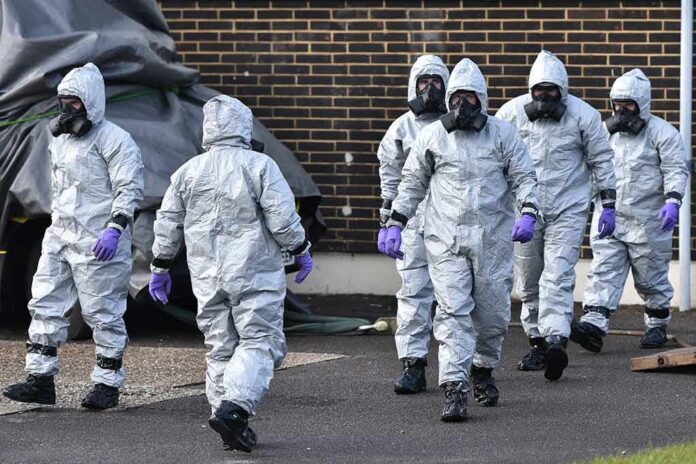
The Lineage cold‑storage warehouse in Boyle Heights burned for eight days, sending smoke and foul odors over nearby homes and an elementary school. Neighbors reported swarms of flies, rotting food smells, and breathing problems as tons of spoiled goods sat inside the damaged building. City officials declared a health emergency and pressed the company to clear the site. Even as cleanup dragged on, Lineage filed a permit to rebuild the 491,000‑square‑foot facility back to its pre‑fire condition.
The permit went to the Los Angeles Department of Building and Safety as a standard application to repair and restore the warehouse. The same day, Mayor Karen Bass posted a video saying Lineage “shouldn’t even think about” rebuilding in Boyle Heights, and that the company would never return to the site. That sharp public message clashed with the quiet, technical process moving forward inside the city bureaucracy, where permits start the moment a company files them, regardless of political speeches.
Mayor Bass’s Promises Versus The Permitting Reality
A letter from Mayor Bass’s office to Lineage earlier in July laid out detailed rules for cleanup and rebuilding after the fire. The document promised that any plans for repair, demolition, or rebuilding would be assigned for review within five business days and receive an initial decision within ten business days. It also ordered the company to give a complete schedule to remove burned material inside ninety days. Those steps show the city preparing for rebuild requests, even as Bass publicly signaled she wanted Lineage gone.
Lineage responded by saying the permit is simply part of the normal repair process and does not change its focus on cleanup. The company said filing early helps speed later work and “will not impact or distract” from clearing debris and spoiled products from the site. For residents living with flies and odors, that argument rings hollow. Many feel the permit proves Lineage plans to restart business next to their homes long before the neighborhood feels safe. They question whether City Hall will stand with them once the cameras leave.
Community Anger, Accountability Fights, And Who Really Holds Power
Local reporting shows strong backlash from residents and politicians who say the permit filing is a sign Lineage is already thinking about profits, not public health. Some city leaders and activists describe the rebuild plan as a “slap in the face,” because families are still dealing with health worries and daily nuisance from the damaged site. At the same time, the mayor and county officials are building dashboards and case managers to track fire‑related rebuilding, turning permits into a central tool for deciding which businesses stay and which must go.
Lineage files permit to rebuild warehouse, angering Boyle Heights residents, city leadershttps://t.co/QQm5wVzC3y
— ABC7 Eyewitness News (@ABC7) July 30, 2026
This fight fits a common pattern after big disasters, where permits become a battlefield over trust and accountability, not just paperwork. Companies call rebuild filings routine, while residents see them as proof that leaders might let harmful sites reopen too soon. Here, building inspectors are also probing past unpermitted work at the same warehouse, raising questions about whether earlier repairs were done without proper oversight. That history makes many neighbors wary of any fast‑tracked approvals and eager for stronger checks on local government power.
Sources:
nypost.com, latimes.com, youtube.com, lamaterial.com, cbsnews.com, mayor.lacity.gov, recovery.lacounty.gov, thelalocal.org